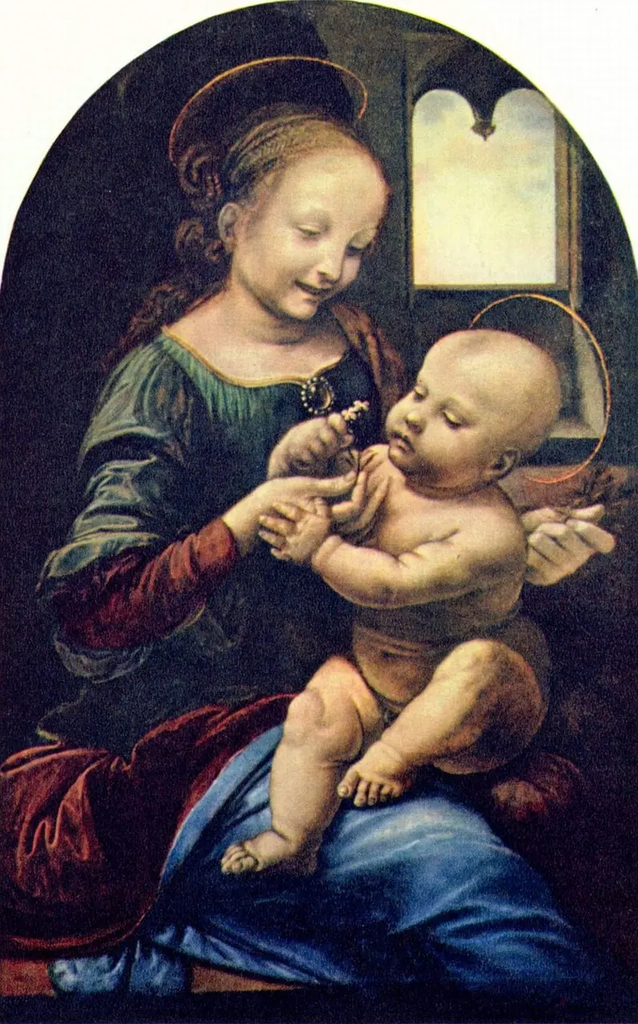
The ethics of cultural heritage involves principles and guidelines that govern the preservation, interpretation, and sharing of cultural artifacts, sites, and traditions. It addresses issues like ownership, repatriation, and respectful representation, ensuring that cultural heritage is protected and honored. Ethical considerations also include involving source communities in decision-making, preventing illicit trade, and balancing global access with local rights, all while respecting the significance and context of cultural heritage.
Ethics of Cultural Heritage
The ethics of cultural heritage involves principles and guidelines that govern the preservation, interpretation, and sharing of cultural artifacts, sites, and traditions. It addresses issues like ownership, repatriation, and respectful representation, ensuring that cultural heritage is protected and honored. Ethical considerations also include involving source communities in decision-making, preventing illicit trade, and balancing global access with local rights, all while respecting the significance and context of cultural heritage.

💡 Key Takeaways
- Understand core principles guiding preservation, interpretation, and sharing of cultural artifacts and sites.
- Learn about ownership, provenance, and repatriation and their impact on museums and communities.
- Recognize the importance of respectful representation and collaboration with source communities.
- Explore international frameworks and museum responsibilities governing cultural heritage.
- Identify risks of exploitation and trafficking, and apply ethical stewardship in acquisition and display.
❓ Frequently Asked Questions
What is the ethics of cultural heritage?
A framework of principles guiding preservation, interpretation, and sharing of artifacts, sites, and traditions, with respect for communities, legality, and sustainable stewardship.
What is repatriation and why is it important?
The return of artifacts, human remains, or sacred items to their communities of origin or rightful owners, often guided by laws and agreements to restore cultural sovereignty and healing.
What does provenance mean in cultural heritage?
Provenance is the documented history of an object's ownership and custody; establishing it helps prevent illicit trade and supports ethical acquisitions and display.
How should museums handle interpretation and representation?
By engaging source communities, including multiple perspectives, seeking consent for display of sensitive materials, and avoiding stereotypes while providing context.
What role do laws and international conventions play?
They set standards for protection, ownership, and repatriation across borders; examples include UNESCO conventions and national laws like NAGPRA, guiding ethical practice.