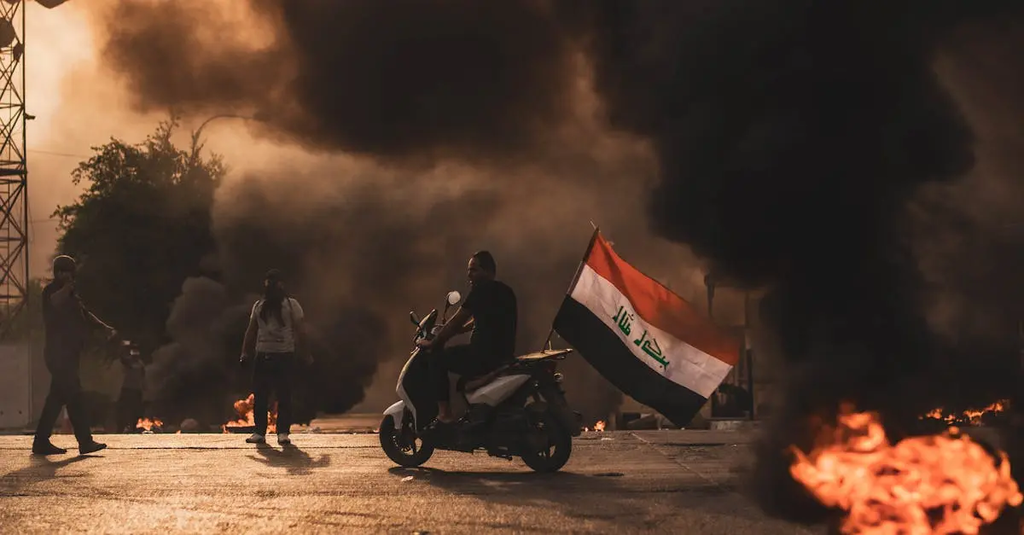
The ethics of war and use of force examines the moral principles that govern when and how military force may be used. It addresses questions about just causes for war, legitimate authority, proportionality, and discrimination between combatants and non-combatants. This field seeks to balance the necessity of defense or intervention with the obligation to minimize harm, uphold human rights, and adhere to international laws and conventions during armed conflict.
Ethics of War and Use of Force
The ethics of war and use of force examines the moral principles that govern when and how military force may be used. It addresses questions about just causes for war, legitimate authority, proportionality, and discrimination between combatants and non-combatants. This field seeks to balance the necessity of defense or intervention with the obligation to minimize harm, uphold human rights, and adhere to international laws and conventions during armed conflict.
💡 Key Takeaways
- Understand jus ad bellum: criteria for justifying war include just cause, legitimate authority, last resort, probability of success, and proportionality.
- Learn jus in bello: principles of discrimination between combatants and non-combatants and the proportionality of force.
- Explore when humanitarian intervention may justify force, balancing the duty to protect civilians with respect for sovereignty.
- Examine how international law defines war crimes, civilian protection, and accountability for violations in armed conflict.
❓ Frequently Asked Questions
What is the ethics of war and use of force?
It studies when it is morally permissible to go to war and how force should be used, balancing justifications for war with rules for conduct in war.
What are jus ad bellum and jus in bello, and how do they differ?
Jus ad bellum covers why a state may go to war (just cause, legitimate authority, last resort, probability of success, proportionality). Jus in bello covers how war is fought (discrimination between combatants and civilians, proportionality of force).
What does discrimination or non-combatant immunity mean in warfare?
It requires distinguishing military targets from civilians or civilian objects; civilians should not be deliberately targeted, and efforts should minimize civilian harm.
What does proportionality mean in war ethics?
The level and means of force used should be proportionate to achieving a legitimate objective, avoiding excessive civilian harm or destruction beyond what is necessary.
What are common criticisms of the just war framework?
Critics argue the theory is vague, hard to apply in modern conflicts (especially with non-state actors and asymmetrical warfare), and may still permit harmful outcomes; debates continue about reforms and alternatives.