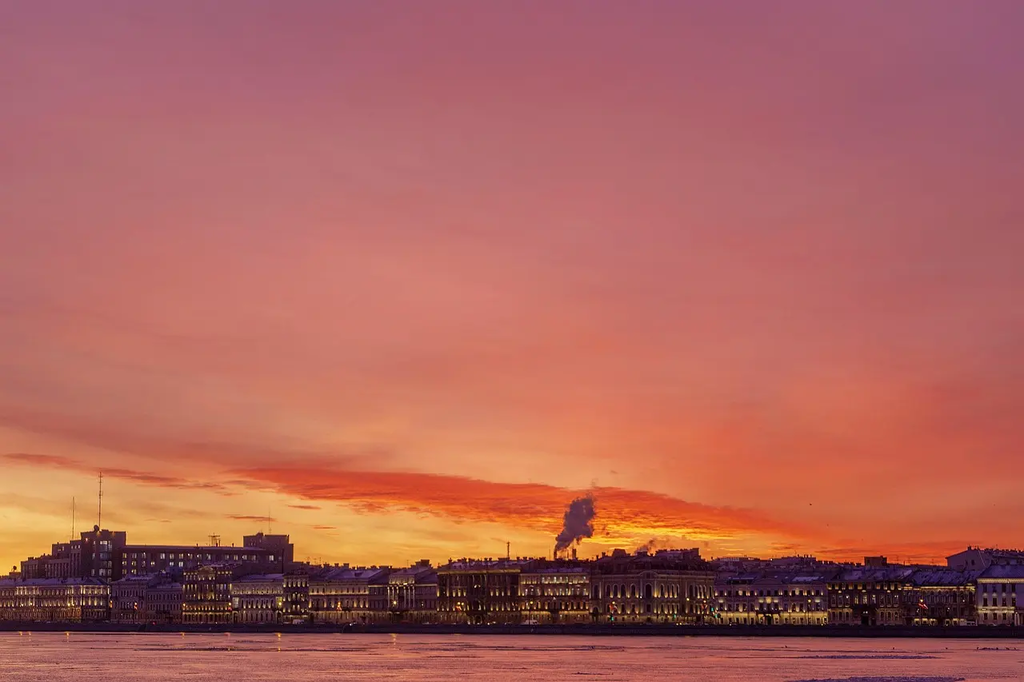
European countries and capitals refer to the nations located on the continent of Europe and their respective administrative centers or capital cities. Europe comprises over 40 countries, each with its own unique culture, language, and history. Capitals such as Paris (France), Berlin (Germany), Rome (Italy), and Madrid (Spain) serve as political, economic, and cultural hubs for their nations, reflecting the diversity and heritage of the European continent.
European Countries and Capitals+45
European countries and capitals refer to the nations located on the continent of Europe and their respective administrative centers or capital cities. Europe comprises over 40 countries, each with its own unique culture, language, and history. Capitals such as Paris (France), Berlin (Germany), Rome (Italy), and Madrid (Spain) serve as political, economic, and cultural hubs for their nations, reflecting the diversity and heritage of the European continent.
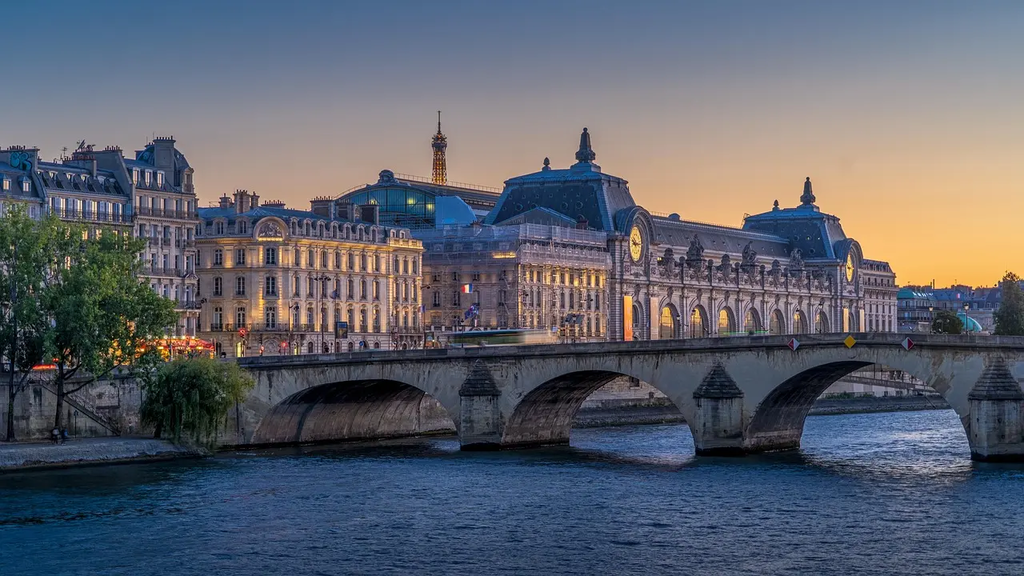
💡 Key Takeaways
- Identify the capital city for every European country covered in the quiz.
- Locate each capital on a map and group them by region (Northern, Southern, Eastern, Western Europe).
- Recognize patterns in capital names and link them to their countries (e.g., Paris → France, Berlin → Germany).
- Recall notable landmarks or facts commonly associated with major capitals (e.g., the Eiffel Tower in Paris).
❓ Frequently Asked Questions
What is a capital city and what does it do?
A capital is a country’s main seat of government and administrative center, where the government, parliament, and key ministries are located.
How many countries are there in Europe?
Europe has more than 40 sovereign states; a common count is about 44, depending on definitions and territories.
What is the capital of France?
Paris.
Do European capitals always share the country’s name?
No. Capitals are often different from the country’s name (e.g., Paris in France, Berlin in Germany, Rome in Italy).