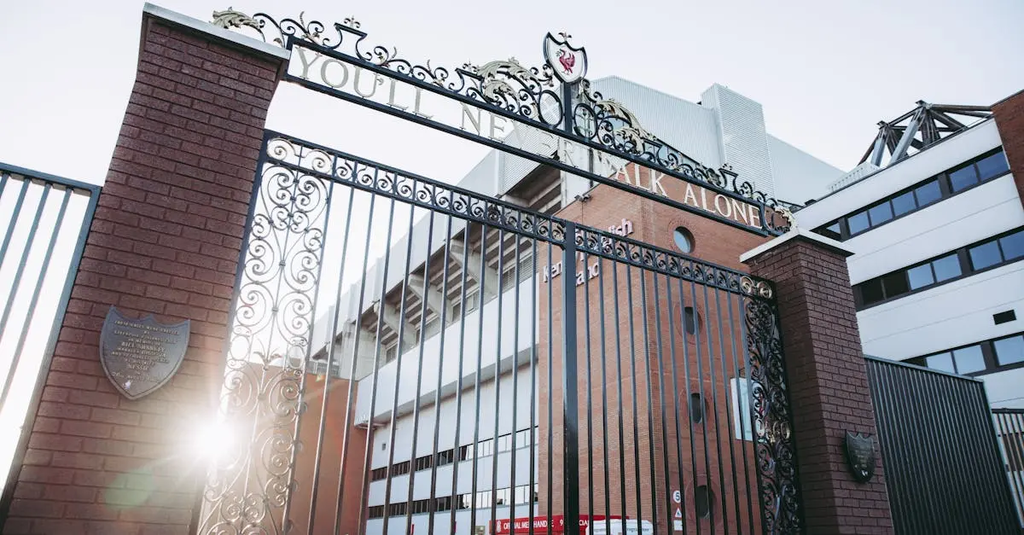
Liverpool F.C. boasts a rich European success and Champions League legacy, having won the prestigious tournament six times. Their triumphs include iconic victories in 1977, 1978, 1981, 1984, 2005, and 2019, showcasing their resilience and tactical prowess on the continental stage. The club’s passionate fanbase and memorable comebacks, such as the 2005 Istanbul final, have cemented Liverpool’s reputation as one of Europe’s most storied and successful football teams.
European Success & Champions League Legacy+50
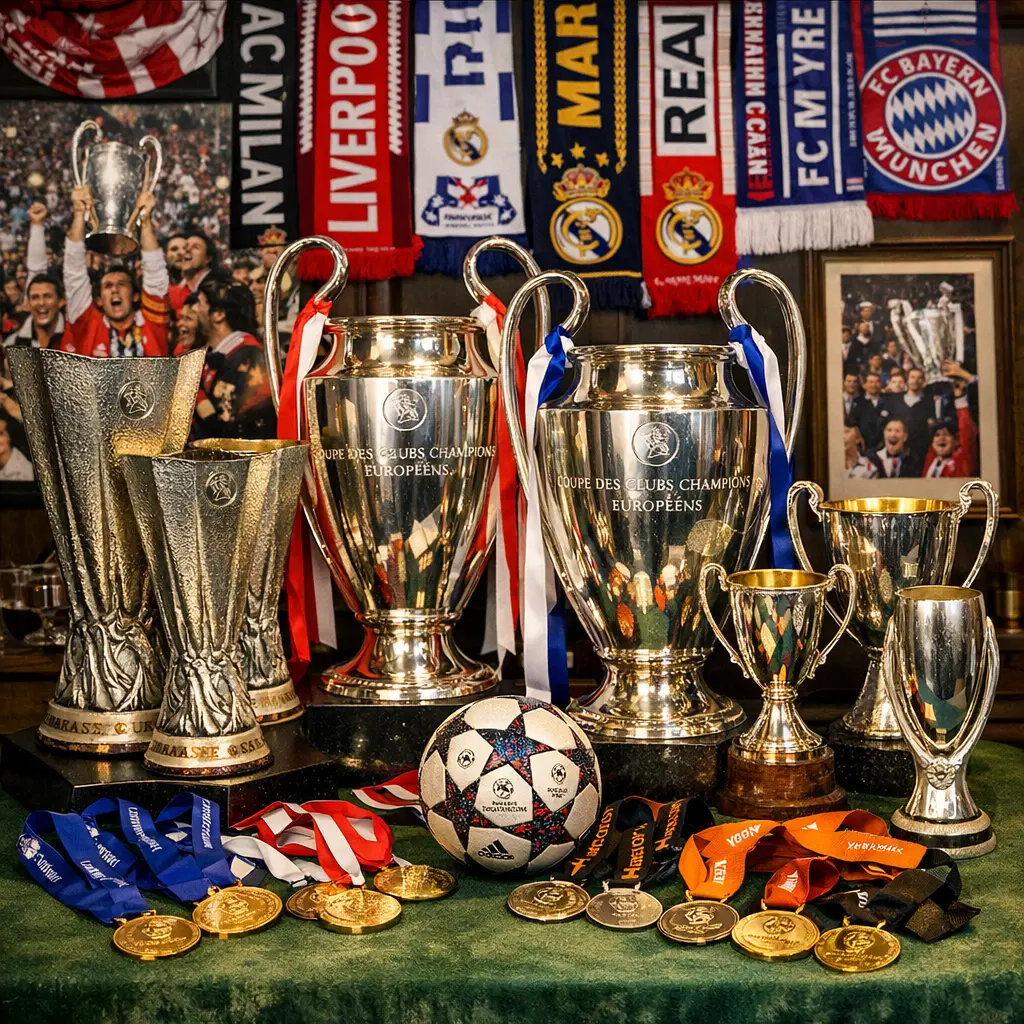
Liverpool F.C. boasts a rich European success and Champions League legacy, having won the prestigious tournament six times. Their triumphs include iconic victories in 1977, 1978, 1981, 1984, 2005, and 2019, showcasing their resilience and tactical prowess on the continental stage. The club’s passionate fanbase and memorable comebacks, such as the 2005 Istanbul final, have cemented Liverpool’s reputation as one of Europe’s most storied and successful football teams.
💡 Key Takeaways
- Identify key factors behind European success in the Champions League (talent, finance, and tactics).
- Explain how Champions League format changes have shaped club strategy and performance.
- Name clubs and eras that built enduring European legacies and why.
- Understand how managers and star players drive a club’s European prestige.
- See how European success affects a club’s identity, branding, and global fanbase.
❓ Frequently Asked Questions
What is the UEFA Champions League, and what does a club's European legacy mean?
The Champions League is Europe’s premier club competition; a club's European legacy reflects sustained success, memorable performances, and influence on European football history across seasons.
Which clubs are commonly regarded as the most successful in European competition?
Real Madrid is widely considered the most successful; other historically dominant clubs include AC Milan and Liverpool.
What factors help a club build a lasting European legacy?
Talent development, smart recruitment, financial stability, consistent management, and strong performance in both domestic and European campaigns.
How did the European Cup era differ from the Champions League era?
The European Cup (1955–1992) was a straight knockout for champions; the Champions League (from 1992) added a group stage, more teams, and a larger global profile.
Why are memorable Champions League campaigns important for a club's legacy?
They create defining moments, raise global profile, attract top players, and solidify a lasting reputation in Europe.