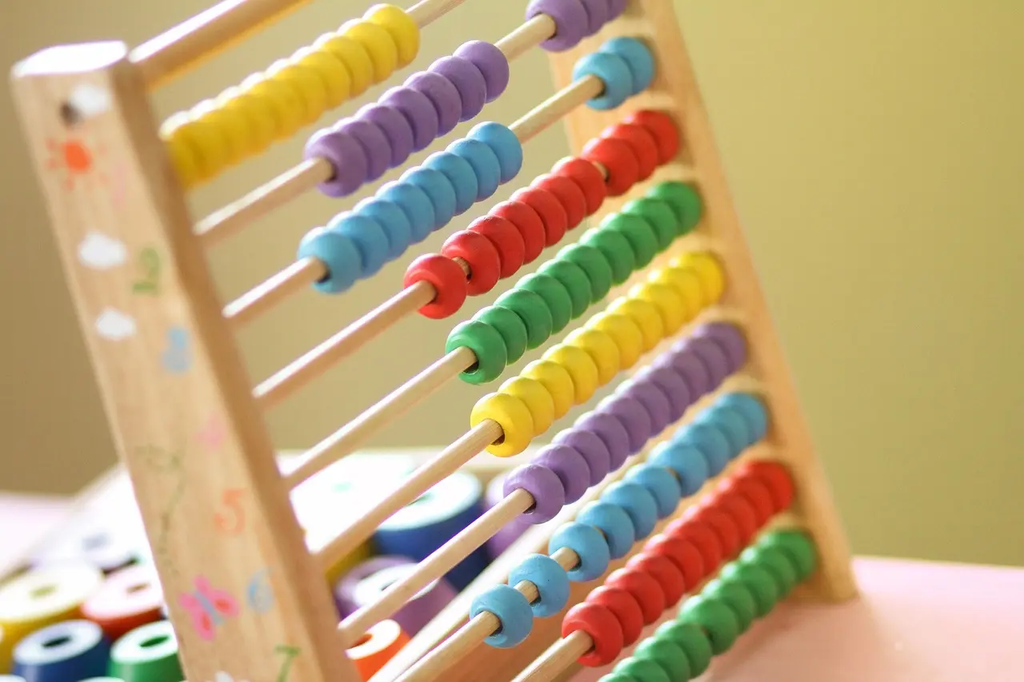
"Everyday Tools" refers to common objects we use regularly, such as scissors, pens, or hammers. In the context of "Riddle Master: Simple Brain Teasers for Everyone," these tools become the subjects of clever puzzles. The brain teasers challenge players to identify or think creatively about these familiar items, making the riddles accessible and engaging for all ages by drawing on everyday experiences and practical knowledge.
Everyday Tools
"Everyday Tools" refers to common objects we use regularly, such as scissors, pens, or hammers. In the context of "Riddle Master: Simple Brain Teasers for Everyone," these tools become the subjects of clever puzzles. The brain teasers challenge players to identify or think creatively about these familiar items, making the riddles accessible and engaging for all ages by drawing on everyday experiences and practical knowledge.
💡 Key Takeaways
- Identify essential everyday tools and their common uses in home tasks
- Understand basic safety practices when handling hand and power tools
- Learn how to choose the right tool for a task to save time and avoid damage
- Know simple maintenance tips to extend tool life (cleaning, lubrication, storage)
- Read tool labels, settings, and bit types to operate tools correctly
❓ Frequently Asked Questions
What qualifies as an everyday tool?
A simple instrument used for common household tasks, designed to make jobs easier. Examples include hammer, screwdriver, wrench, pliers, tape measure, and utility knife.
What’s the difference between a screwdriver and a drill?
A screwdriver turns screws manually or with a driver, while a drill uses a powered chuck to drill holes or drive screws with bits.
How do you read a tape measure?
Extend the blade and read the number at the edge of the object. Tape measures show inches (and fractions) or centimeters; use the end hook to start measurements.
Why is safety gear important when using tools?
Safety gear protects your eyes, hands, and body from injury; wear goggles, gloves, and inspect tools before use.
What is a level used for?
A level checks that a surface is perfectly horizontal (level) or vertical (plumb), helping you align shelves, pictures, and appliances.