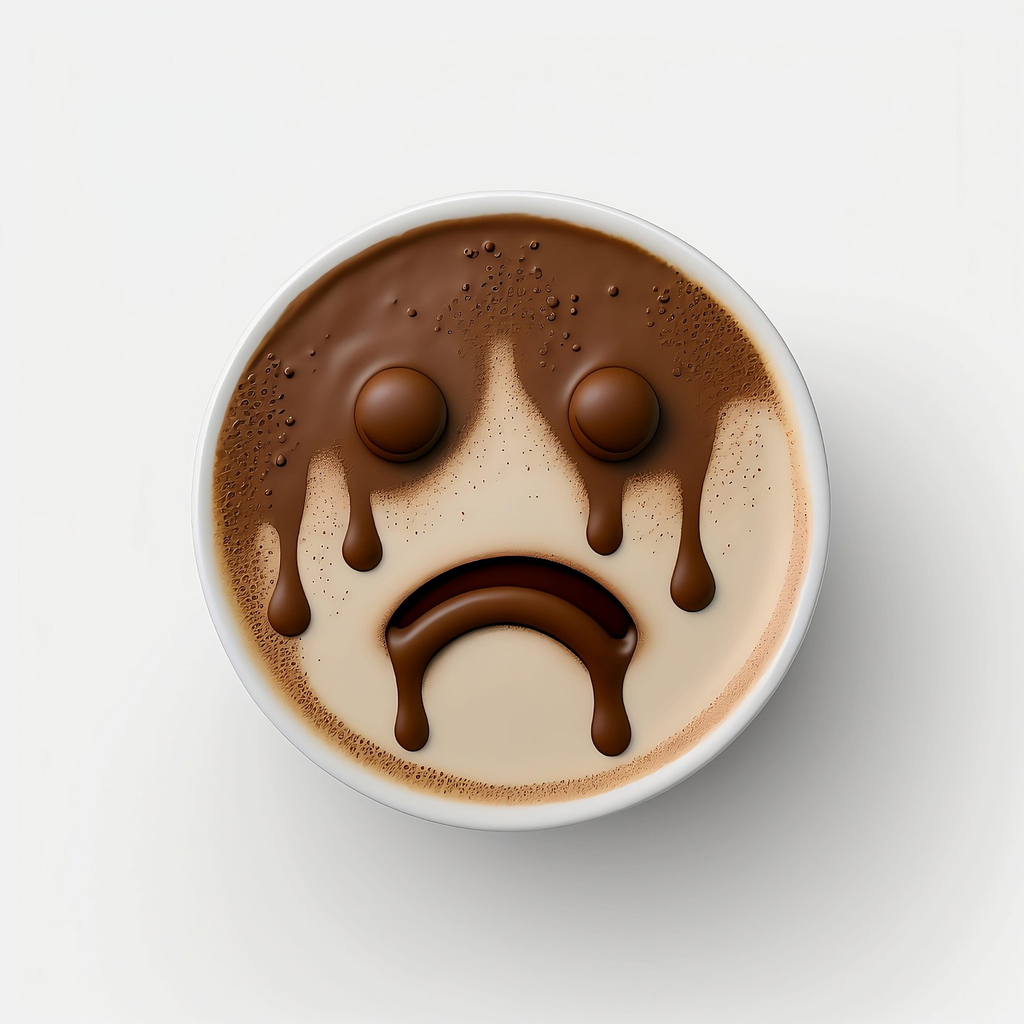
The evolution of crying emojis reflects changing digital expressions of emotion, blending smiles and tears to convey complex feelings. Early emojis depicted simple happy or sad faces, but newer versions show nuanced emotions like laughing with tears, crying with joy, or sobbing. This progression mirrors users’ desire for more accurate representations of their emotional states, allowing for richer, more relatable communication in digital conversations through expressive, detailed emoji designs.
Evolution of Crying Emojis
The evolution of crying emojis reflects changing digital expressions of emotion, blending smiles and tears to convey complex feelings. Early emojis depicted simple happy or sad faces, but newer versions show nuanced emotions like laughing with tears, crying with joy, or sobbing. This progression mirrors users’ desire for more accurate representations of their emotional states, allowing for richer, more relatable communication in digital conversations through expressive, detailed emoji designs.
💡 Key Takeaways
- Trace the evolution from early emoticons to Unicode crying emojis and why standardization mattered.
- See how platform-specific designs (Apple, Google, Samsung, etc.) changed tears, expressions, and meaning.
- Understand common uses and ambiguities between crying, crying-laughing, and sobbing in online chats.
- Discuss how cultural contexts and trends influence the interpretation and future direction of crying emojis.
❓ Frequently Asked Questions
What are the main crying emojis you should know?
Face with Tears of Joy (U+1F602), Crying Face (U+1F622), and Loudly Crying Face (U+1F62D). They typically express laughter, sadness, or being overwhelmed, respectively.
How did crying emojis evolve from early emoticons to modern Unicode symbols?
Crying icons began as simple emoticons in 1990s Japan; Unicode standardized emoji code points around 2010, enabling cross-platform usage, with individual platforms creating distinct visuals.
Why do crying emojis look different on different devices?
Although the code points are the same, Apple, Google, Samsung, and Windows render them with different artwork, which can subtly affect tone.
How should you interpret crying emojis in messages?
They can signal tears of joy, sadness, relief, or being overwhelmed. Use context and surrounding text to interpret the intended emotion.