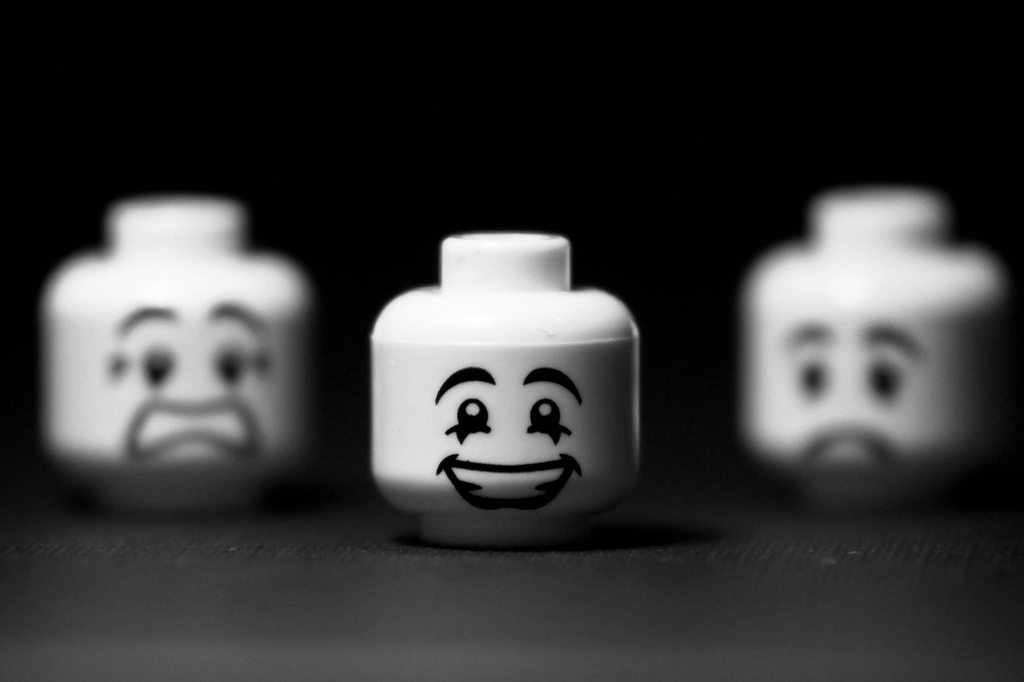
The evolution of surprised emojis reflects the growing complexity of digital expression. Early emojis depicted simple, wide-eyed faces to convey shock or astonishment. Over time, designs became more nuanced, incorporating raised eyebrows, open mouths, and even tears to express a spectrum of surprise, from delight to disbelief. This progression mirrors how users seek more accurate and relatable ways to communicate emotions like amazement, joy, or even overwhelmed feelings in digital conversations.
Evolution of Surprised Emojis
The evolution of surprised emojis reflects the growing complexity of digital expression. Early emojis depicted simple, wide-eyed faces to convey shock or astonishment. Over time, designs became more nuanced, incorporating raised eyebrows, open mouths, and even tears to express a spectrum of surprise, from delight to disbelief. This progression mirrors how users seek more accurate and relatable ways to communicate emotions like amazement, joy, or even overwhelmed feelings in digital conversations.

💡 Key Takeaways
- Trace the evolution from ASCII emoticons to standardized surprised emojis across Unicode.
- Explore how platform rendering (iOS, Android, web) creates different appearances for the same emoji.
- Understand how cultural context and usage trends shape when and how surprised emojis are used.
- Identify key design cues that signal surprise—such as wide eyes and an open mouth—and how these cues differ across emoji styles.
❓ Frequently Asked Questions
What is the meaning of the surprised emoji?
It generally conveys astonishment or shock, often shown with wide eyes and an open mouth to react to surprising news or events.
How has the surprised emoji evolved in Unicode updates?
Unicode has expanded the surprised family from simple open-mouth faces to multiple expressions (such as astonished faces and open-mouth variants) and added platform-specific renderings that change its look.
Why do surprised emojis look different on different devices?
Each platform (Apple, Google, Microsoft, etc.) designs its own glyphs, so details like shape, color, and mouth/eye styling vary, giving unique appearances.
How should you choose a surprised emoji for a message?
Consider the context and intensity: use a subtler version for mild surprise and a more exaggerated one for strong astonishment to match your tone.