Evolutionary ecology is a scientific field that explores how evolutionary processes, such as natural selection and adaptation, interact with ecological factors like competition, predation, and environmental change. It examines how organisms evolve in response to their ecological surroundings and how these evolutionary changes, in turn, shape ecological relationships and community dynamics. By integrating evolution and ecology, this discipline helps explain the diversity and distribution of species in nature.
Evolutionary Ecology
Evolutionary ecology is a scientific field that explores how evolutionary processes, such as natural selection and adaptation, interact with ecological factors like competition, predation, and environmental change. It examines how organisms evolve in response to their ecological surroundings and how these evolutionary changes, in turn, shape ecological relationships and community dynamics. By integrating evolution and ecology, this discipline helps explain the diversity and distribution of species in nature.
💡 Key Takeaways
- Understand how evolution and ecology interact to shape traits in animals.
- See how natural selection and adaptation arise from ecological pressures like competition, predation, and resource availability.
- Explore examples in pets and wildlife where ecological factors and human influence drive trait changes (e.g., domestication, selective breeding, habitat changes).
- Explain how environmental change and changing habitats can prompt evolutionary responses, including shifts in behavior, physiology, or life history.
❓ Frequently Asked Questions
What is evolutionary ecology?
The study of how evolutionary processes (like natural selection and adaptation) interact with ecological factors (competition, predation, resources, environment) to shape how organisms evolve.
How do natural selection and adaptation drive changes in populations?
Natural selection favors heritable traits that improve survival and reproduction in a given environment; over generations, these traits become more common, resulting in adaptation.
How does evolutionary ecology apply to pets and domestic animals?
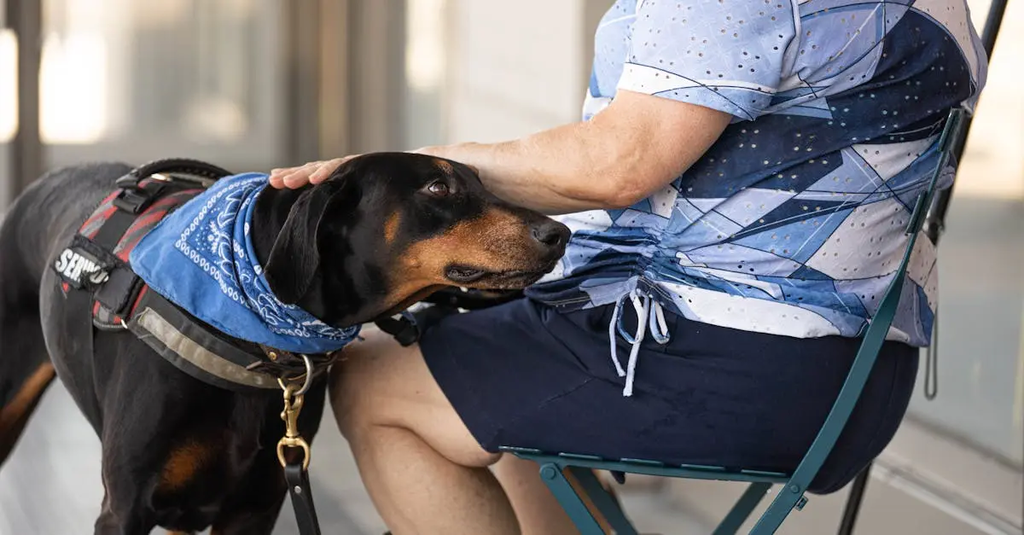
Humans shape many dog breeds through selective breeding, while ecological pressures in different environments (urban, rural, feral settings) also influence traits in pet and wild populations.
What is an adaptation?
A heritable trait that increases an organism’s fitness in its environment, evolving through natural selection or other evolutionary processes.
How do environmental changes influence evolution?
They change which traits are advantageous; populations may adapt, migrate, or face extinction when conditions shift, especially if changes are rapid.