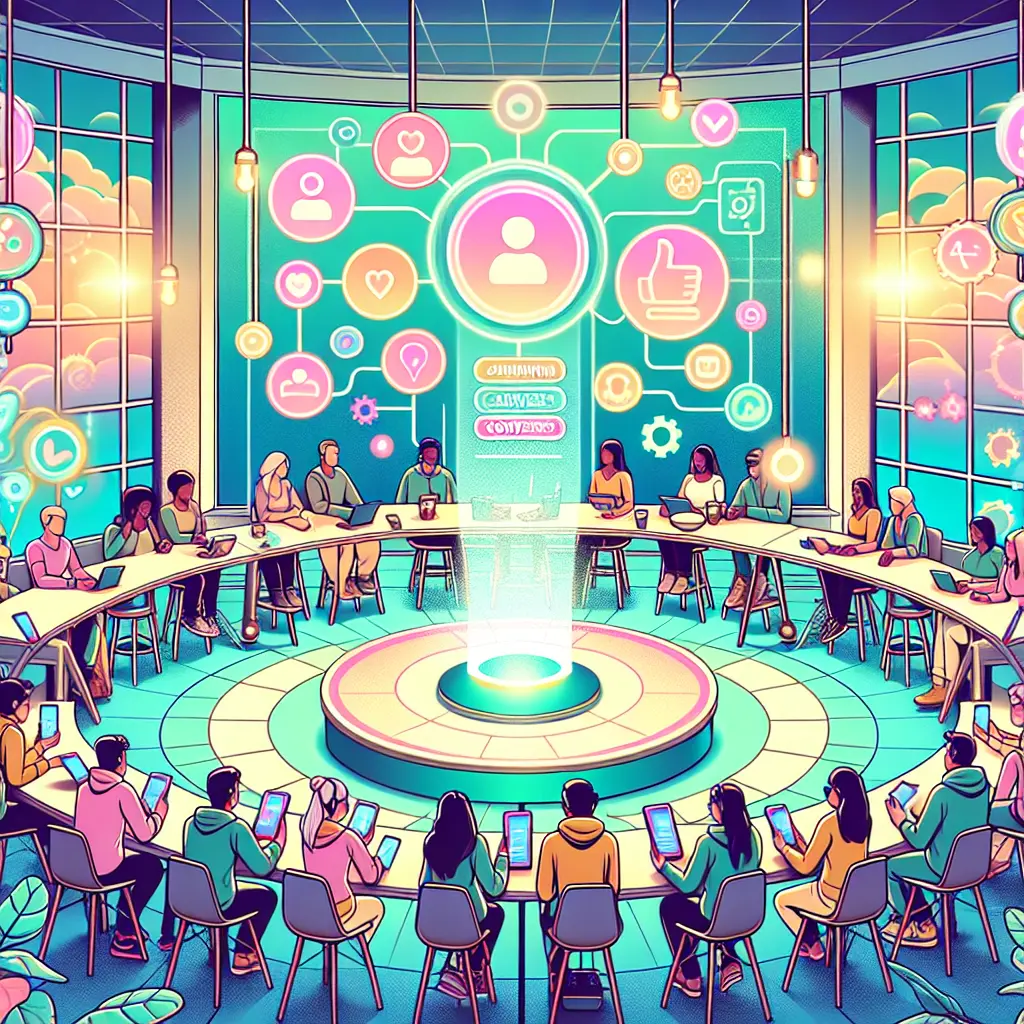
Experiential design and brand activations involve creating immersive, interactive environments or events that allow consumers to engage directly with a brand. This approach focuses on stimulating the senses and fostering emotional connections, making the brand memorable and meaningful. Through carefully crafted experiences, such as pop-ups, installations, or live events, brands can communicate their values, encourage participation, and build loyalty by leaving a lasting impression on their target audience.
Experiential Design & Brand Activations
Experiential design and brand activations involve creating immersive, interactive environments or events that allow consumers to engage directly with a brand. This approach focuses on stimulating the senses and fostering emotional connections, making the brand memorable and meaningful. Through carefully crafted experiences, such as pop-ups, installations, or live events, brands can communicate their values, encourage participation, and build loyalty by leaving a lasting impression on their target audience.

💡 Key Takeaways
- Understand how experiential design creates immersive, memorable brand moments.
- Learn how to map activations to the customer journey and brand objectives.
- Explore common activation formats (events, installations, pop-ups, digital experiences) and when to use them.
- Identify practical metrics to measure activation impact (engagement, reach, recall, ROI).
❓ Frequently Asked Questions
What is experiential design?
Experiential design creates immersive, interactive experiences that engage people through space, interaction, and storytelling to convey a brand message.
What are brand activations?
Brand activations are campaigns or events designed to bring a brand to life for audiences, driving engagement, memory, and data collection beyond traditional advertising.
How are experiential design and brand activation related?
Experiential design is the method used to craft the experience; brand activation is the strategic goal of that experience, aiming to activate the brand with participants.
What makes an activation successful?
Clear objectives, compelling storytelling, engaging interactions, accessible design, and measurable outcomes like engagement, reach, sentiment, and ROI.
What are common elements of experiential activations?
Immersive environments, interactive technology, live demonstrations, brand ambassadors, curated content, and opportunities for social sharing and data capture.