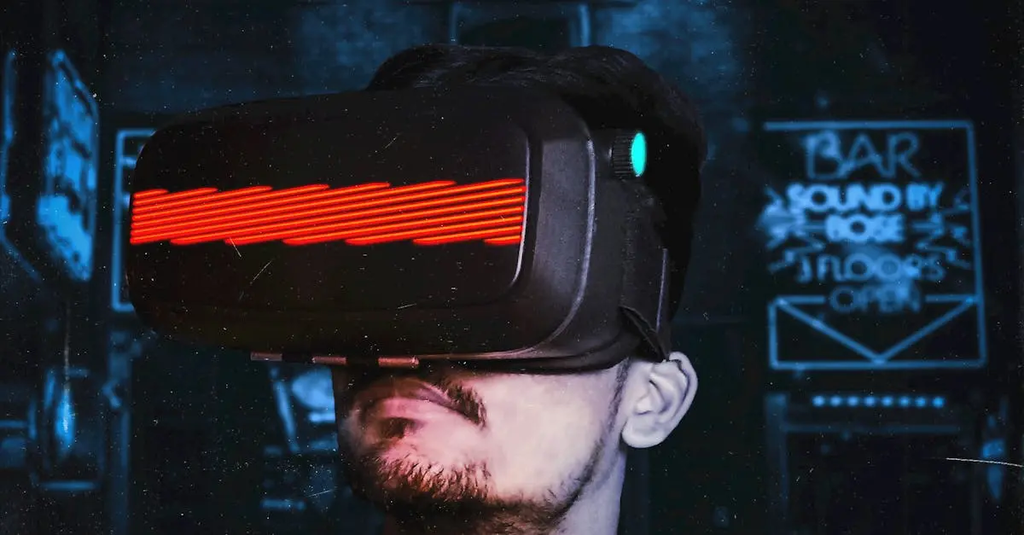
Experimental film and nonlinear narratives break away from traditional storytelling and cinematic conventions. Instead of following a clear, chronological plot, these works often use fragmented structures, abstract visuals, and unconventional editing techniques. This approach challenges viewers to engage more actively, interpreting meaning from disjointed scenes or ambiguous sequences. The result is a unique, often thought-provoking experience that emphasizes mood, emotion, and artistic exploration over straightforward narrative clarity.
Experimental Film & Nonlinear Narratives
Experimental film and nonlinear narratives break away from traditional storytelling and cinematic conventions. Instead of following a clear, chronological plot, these works often use fragmented structures, abstract visuals, and unconventional editing techniques. This approach challenges viewers to engage more actively, interpreting meaning from disjointed scenes or ambiguous sequences. The result is a unique, often thought-provoking experience that emphasizes mood, emotion, and artistic exploration over straightforward narrative clarity.
💡 Key Takeaways
- Identify how nonlinear narratives disrupt traditional cause-and-effect storytelling.
- Describe how fragmented structures and unconventional editing shape pace and viewer interpretation.
- Analyze the use of abstract visuals, sound, and montage to convey meaning without a clear plot.
- Evaluate how experimental film challenges conventional genres and audience expectations.
❓ Frequently Asked Questions
What defines experimental film and nonlinear narratives?
They depart from traditional cinema by using non-chronological structures, abstract visuals, and unconventional editing to emphasize mood, idea, or interpretation over a clear plot.
How do fragmented structures work in these works?
They present scenes out of order or as discrete fragments, inviting audiences to piece together meaning and focus on themes rather than a linear storyline.
What common techniques are used in experimental film?
Montage with abrupt cuts, long takes, juxtaposition of unrelated images, found footage, animation, and experimental sound design.
Why would a creator use nonlinear narratives in creative professions?
To challenge viewers, foster personal interpretation, and explore subjective experiences beyond conventional storytelling.
How should viewers approach interpreting nonlinear or abstract films?
Focus on motifs, atmosphere, pacing, and sensory cues rather than plot; look for recurring images or sounds and derive meaning from mood and ideas.