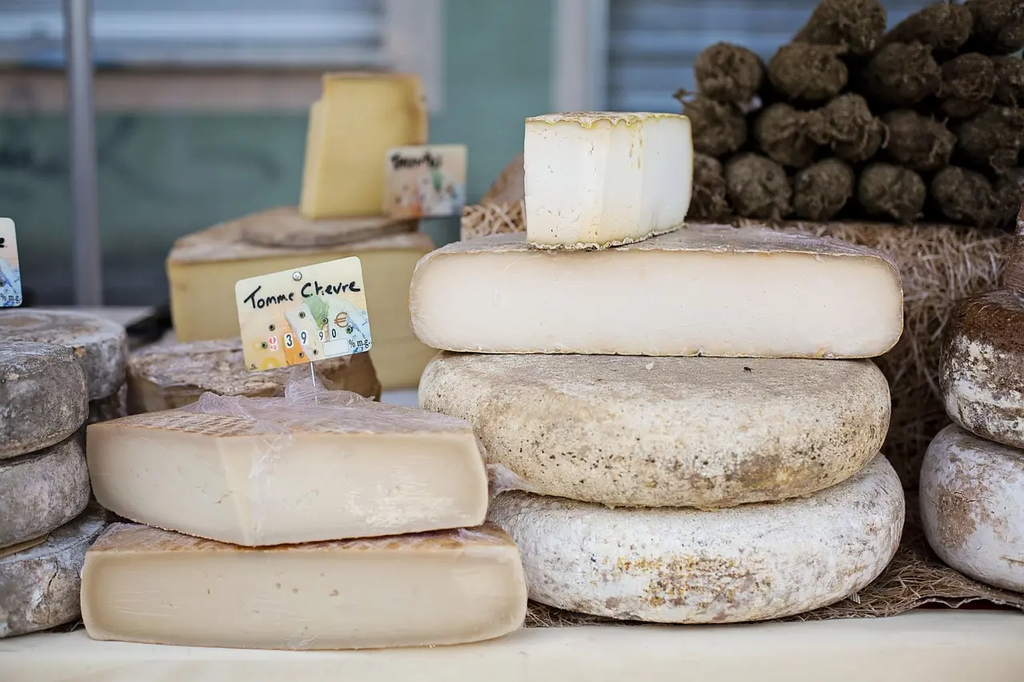
Exploring Global Food and Cultural Exchange (Food & Global Flavors) involves discovering how different cultures share and influence each other's culinary traditions. It highlights the blending of ingredients, cooking techniques, and food customs across borders, leading to new flavors and dishes. This exchange fosters cross-cultural understanding, appreciation, and creativity, allowing people to experience diverse tastes and traditions while celebrating the rich tapestry of global gastronomy.
Exploring Global Food and Cultural Exchange
Exploring Global Food and Cultural Exchange (Food & Global Flavors) involves discovering how different cultures share and influence each other's culinary traditions. It highlights the blending of ingredients, cooking techniques, and food customs across borders, leading to new flavors and dishes. This exchange fosters cross-cultural understanding, appreciation, and creativity, allowing people to experience diverse tastes and traditions while celebrating the rich tapestry of global gastronomy.

💡 Key Takeaways
- Understand how global cuisines reflect cultural exchange and history.
- Identify key factors that drive cross-cultural culinary influences, such as trade routes, migration, colonization, and media.
- Explore how ingredients, cooking techniques, and dishes travel and are adapted across regions.
- Evaluate examples of dishes that illustrate global food exchange and what they reveal about cultures.
❓ Frequently Asked Questions
What is global food and cultural exchange?
The sharing, blending, and adapting of foods, ingredients, and cooking practices across cultures through trade, migration, travel, and media.
What factors drive changes in a cuisine when it spreads to a new region?
Ingredient availability, local tastes, cooking tools, economic forces, history of migration or colonization, and evolving cultural preferences.
What is fusion cuisine, and what does it show about cultural exchange?
A culinary style that merges elements from different traditions into new dishes, illustrating how cultures mix and influence each other.
Why is studying global food exchange useful?
It reveals how identities form, highlights globalization and sustainability issues, and promotes cross-cultural understanding and appreciation.