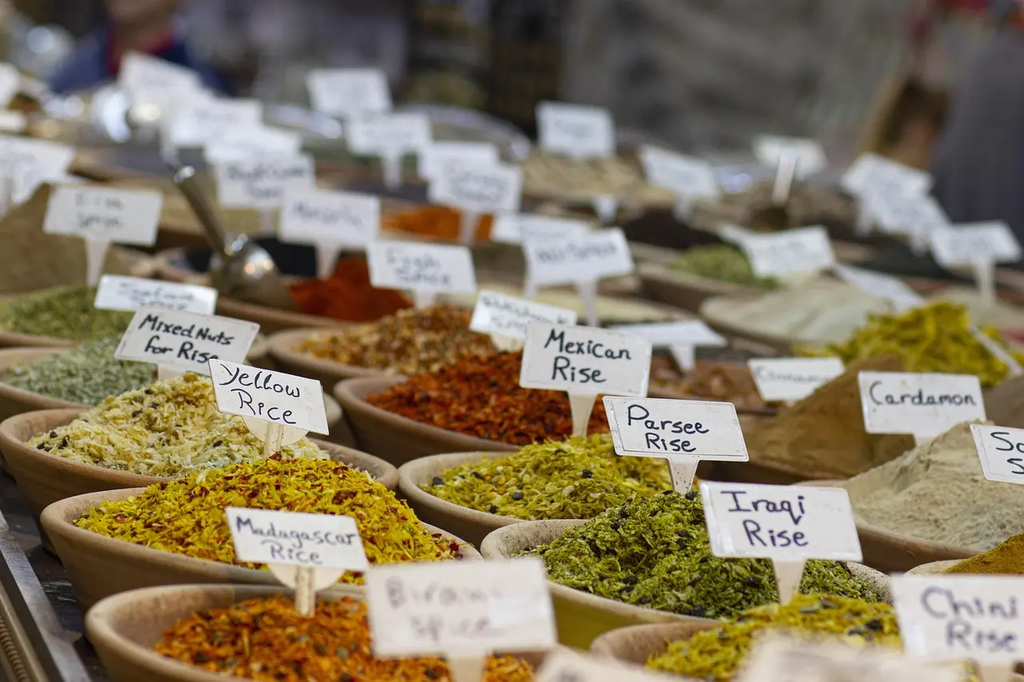
"Exploring Global Food and Health (Food & Global Flavors)" refers to discovering how diverse cuisines from around the world influence health and well-being. It involves understanding the nutritional values, preparation methods, and cultural significance of different foods. This exploration highlights the connection between what people eat and their overall health, while celebrating the unique flavors and traditions that shape global culinary experiences.
Exploring Global Food and Health
"Exploring Global Food and Health (Food & Global Flavors)" refers to discovering how diverse cuisines from around the world influence health and well-being. It involves understanding the nutritional values, preparation methods, and cultural significance of different foods. This exploration highlights the connection between what people eat and their overall health, while celebrating the unique flavors and traditions that shape global culinary experiences.
💡 Key Takeaways
- Understand how global dietary patterns influence health outcomes, including nutrition adequacy and chronic diseases.
- Identify the main factors shaping global food systems—agriculture, trade, climate change, and technology—in everyday life.
- Compare traditional regional diets with modern dietary trends and their implications for health and nutrition.
- Explore how policy, access to safe foods, and nutrition education affect food choices and public health across communities.
❓ Frequently Asked Questions
What is the global food system and why does it matter for health?
The global food system covers farming, processing, distribution, and access to food; it shapes what people eat, nutritional quality, safety, and disease risk, impacting public health.
How does food security relate to health outcomes?
Food security means reliable access to enough nutritious food; insecurity can lead to undernutrition, micronutrient deficiencies, and higher vulnerability to illness.
How do dietary patterns around the world influence chronic diseases?
Diets high in processed foods, added sugars, salt, and unhealthy fats raise risks of obesity, heart disease, and diabetes, while balanced diets with fruits, vegetables, legumes, and whole grains support health.
Why is nutrition important for preventing and fighting infections?
Adequate calories and micronutrients support immune function; deficiencies can weaken immunity and increase infection risk, while safe food handling reduces foodborne illness.