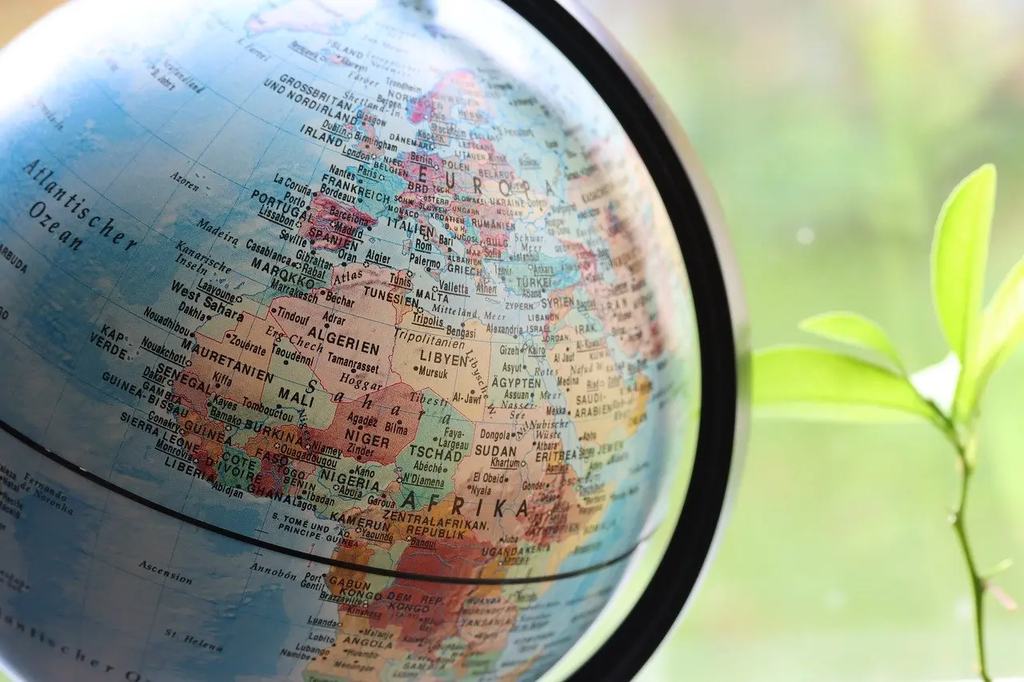
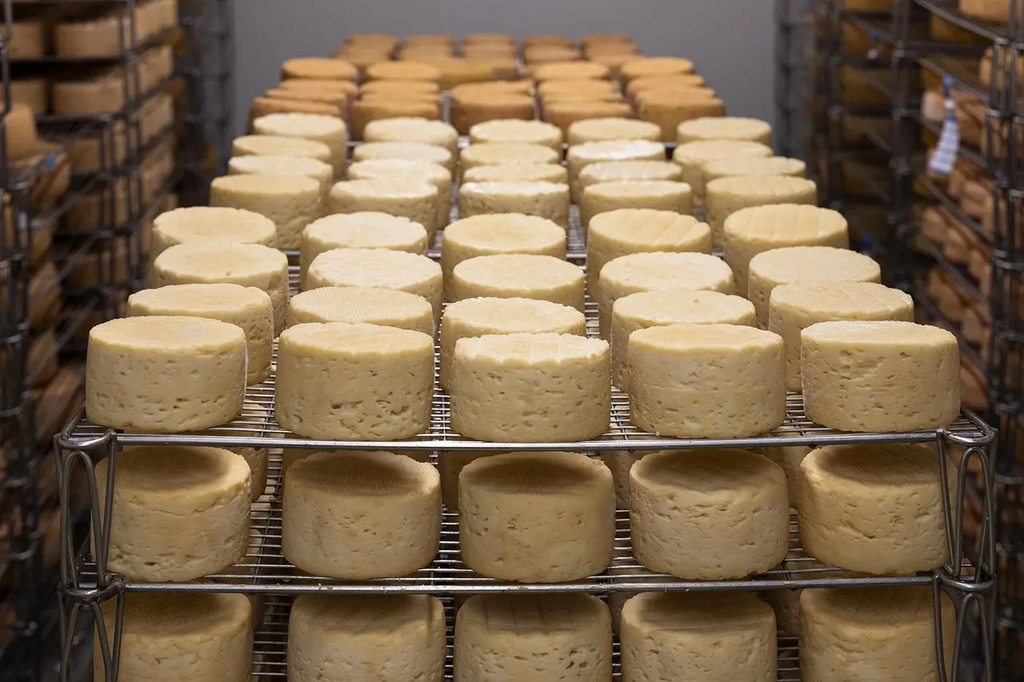
"Exploring Global Food Politics (Food & Global Flavors)" delves into how political, economic, and cultural forces shape what we eat around the world. It examines issues like food security, trade policies, and cultural identity, highlighting how power dynamics influence access to diverse cuisines and flavors. The phrase also suggests a journey through international tastes, showing how global interactions impact local food traditions and the availability of global flavors in everyday life.
Exploring Global Food Politics
"Exploring Global Food Politics (Food & Global Flavors)" delves into how political, economic, and cultural forces shape what we eat around the world. It examines issues like food security, trade policies, and cultural identity, highlighting how power dynamics influence access to diverse cuisines and flavors. The phrase also suggests a journey through international tastes, showing how global interactions impact local food traditions and the availability of global flavors in everyday life.
💡 Key Takeaways
- Understand how global trade policies, subsidies, and tariffs influence food prices and access worldwide.
- Identify the roles of international institutions (WTO, FAO, IMF) and agreements in shaping food policy.
- Analyze how power dynamics, corporate influence, and supply chains impact food security and farmers' livelihoods.
- Examine the impacts of climate change, land use, and development aid on global food systems and policy responses.
❓ Frequently Asked Questions
What is global food politics?
It studies how policy, markets, power, and institutions shape who gets food, at what price, and under what conditions across different countries.
Who are the major actors in global food politics?
Governments, international organizations (WTO, FAO, IMF, World Bank), multinational agribusiness firms, farmers, NGOs, and trade blocs.
How do trade policies influence food security?
Tariffs, subsidies, and quotas shape prices and food access, affecting affordability and availability, with impacts across regions.
What is the difference between food security and food sovereignty?
Food security means reliable access to sufficient, nutritious food; food sovereignty emphasizes communities' rights to define and control their own food systems.
How does climate change interact with global food politics?
Climate change affects yields and supply stability, driving policy in adaptation, resilience, and investment that influence who benefits or bears risk.