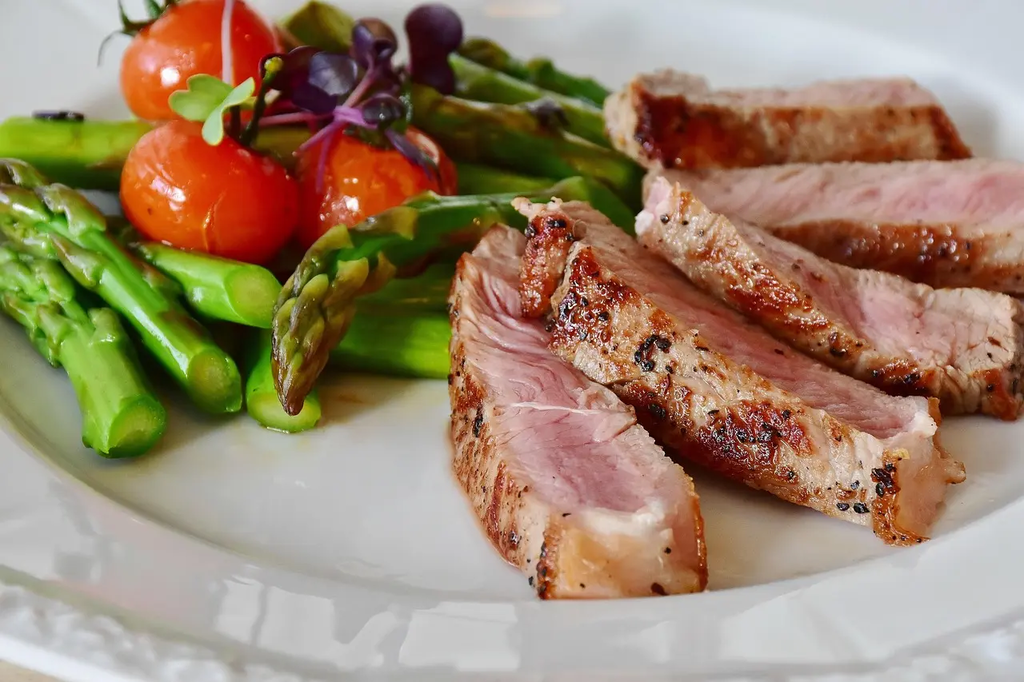
"Exploring Global Meat Dishes (Food & Global Flavors)" refers to discovering and experiencing a wide variety of meat-based recipes from different cultures around the world. This journey highlights unique cooking methods, spices, and traditional ingredients that define each region’s cuisine. By sampling dishes such as Argentinian asado, Indian tandoori, or Moroccan tagine, one gains insight into the diverse flavors and culinary heritage that meat dishes contribute to global gastronomy.
Exploring Global Meat Dishes
"Exploring Global Meat Dishes (Food & Global Flavors)" refers to discovering and experiencing a wide variety of meat-based recipes from different cultures around the world. This journey highlights unique cooking methods, spices, and traditional ingredients that define each region’s cuisine. By sampling dishes such as Argentinian asado, Indian tandoori, or Moroccan tagine, one gains insight into the diverse flavors and culinary heritage that meat dishes contribute to global gastronomy.
💡 Key Takeaways
- Identify diverse meat dishes from different regions and their cultural contexts.
- Describe typical ingredients and flavor profiles used in global meat cuisines.
- Explain common cooking methods (grilling, braising, roasting) and how they vary regionally.
- Recognize how culture, religion, and sustainability considerations influence global meat dishes.
❓ Frequently Asked Questions
What qualifies as a global meat dish?
A meat-centered dish rooted in a region's culinary tradition and widely recognized beyond its origin, often featuring local ingredients and techniques.
What cooking methods are commonly used in global meat dishes?
Common methods include braising, roasting, grilling, and slow-cooking to tenderize meat and develop deep flavors.
Name a famous European meat dish and its country.
Coq au vin — France.
How do cultural or religious practices influence global meat dishes?
They shape which meats are used and how they’re prepared, leading to variations like halal, kosher, or pork-free preparations.
Why do regional spice blends matter in global meat dishes?
They create distinctive flavor profiles that signal a dish’s regional origin (e.g., garam masala in Indian cuisine, ras el hanout in North Africa).