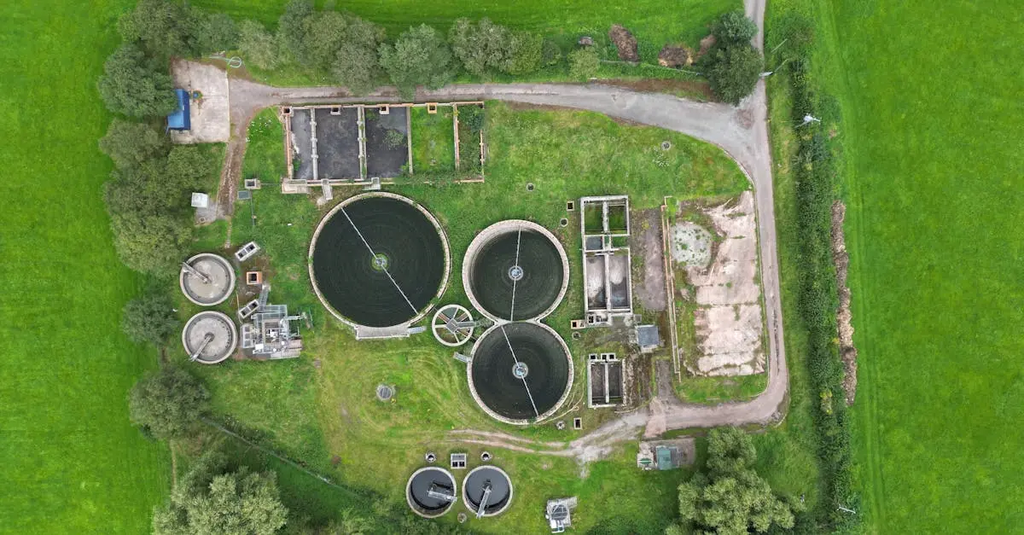
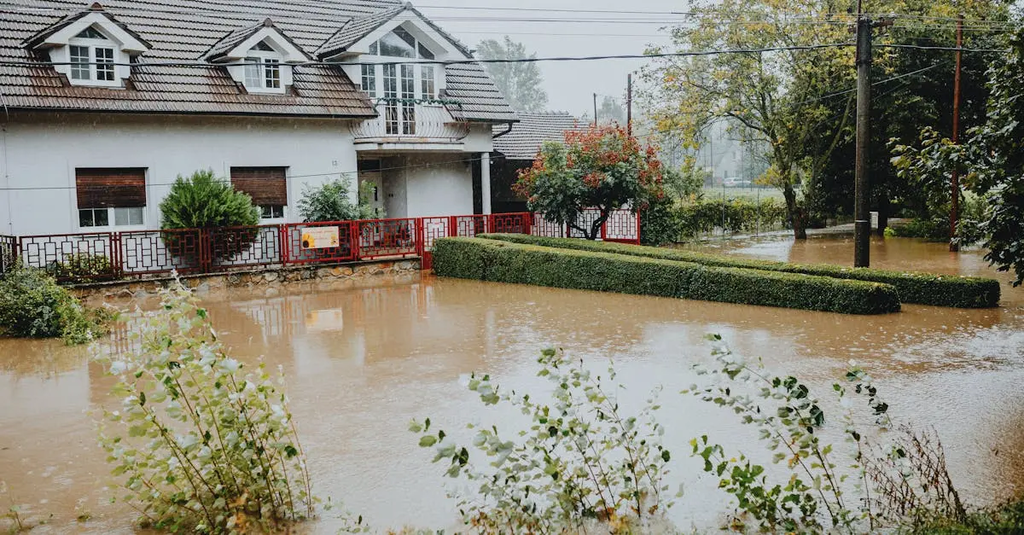
Extreme weather events in the UK, such as storms, floods, and heatwaves, have become more frequent and intense due to climate change. These events disrupt daily life, damage infrastructure, and pose risks to public health and safety. Heavy rainfall can lead to severe flooding, while powerful storms cause property damage and power outages. Heatwaves increase the risk of droughts and wildfires, affecting agriculture and water supplies.
Extreme weather events in the UK (storms, floods, heatwaves)
Extreme weather events in the UK, such as storms, floods, and heatwaves, have become more frequent and intense due to climate change. These events disrupt daily life, damage infrastructure, and pose risks to public health and safety. Heavy rainfall can lead to severe flooding, while powerful storms cause property damage and power outages. Heatwaves increase the risk of droughts and wildfires, affecting agriculture and water supplies.
💡 Key Takeaways
- Understand how climate change is linked to more frequent and intense extreme weather in the UK (storms, floods, heatwaves).
- Recognize how these events disrupt daily life and infrastructure, including transport and public health during heatwaves and floods.
- Learn how heavy rainfall leads to flooding and how storms cause wind damage and coastal impacts in UK geography.
- Explore risk reduction through warnings, flood defenses, planning, and resilience strategies to prepare for extreme weather.
❓ Frequently Asked Questions
What causes more extreme weather events in the UK?
Climate change warms the atmosphere and oceans, increasing moisture and energy for storms and heatwaves, and can alter atmospheric patterns to produce heavier rainfall and stronger winds.
How does heavy rainfall lead to flooding in the UK?
Rain that falls faster than ground absorption or drainage can manage runs off into drains and rivers, causing surface water flooding, river flooding, or flash floods—especially in urban areas with impermeable surfaces.
What are common impacts of storms and heatwaves on daily life?
Storms can cause property damage, power outages, and travel disruptions; floods affect homes and transport; heatwaves strain health services and increase risk to vulnerable people.
How can people stay safe and prepared for extreme weather in the UK?
Monitor forecasts and warnings, have an emergency plan and kit, stay hydrated during heatwaves, and follow local guidance during floods or storms (e.g., seek higher ground or shelter as advised).