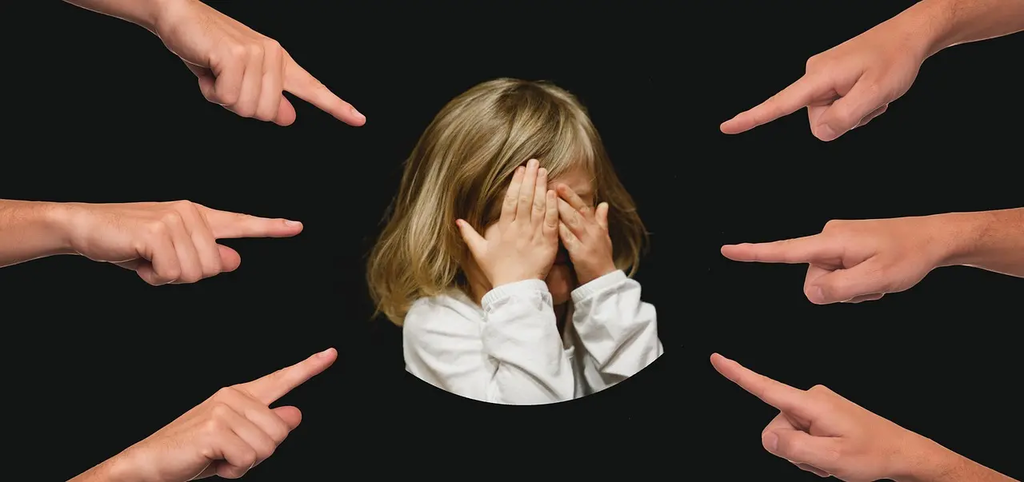
Family dynamics refer to the patterns of interactions, relationships, and roles within a family unit. These dynamics influence how family members communicate, resolve conflicts, and support one another emotionally. Factors such as cultural background, parenting styles, sibling relationships, and external stressors shape these interactions. Healthy family dynamics promote trust, cooperation, and emotional well-being, while unhealthy dynamics can lead to misunderstandings, tension, and long-term emotional challenges among members.
Family Dynamics+50
Family dynamics refer to the patterns of interactions, relationships, and roles within a family unit. These dynamics influence how family members communicate, resolve conflicts, and support one another emotionally. Factors such as cultural background, parenting styles, sibling relationships, and external stressors shape these interactions. Healthy family dynamics promote trust, cooperation, and emotional well-being, while unhealthy dynamics can lead to misunderstandings, tension, and long-term emotional challenges among members.

💡 Key Takeaways
- Identify how communication patterns and roles shape family dynamics.
- Explain how parenting styles influence conflict resolution and emotional support.
- Understand the role of cultural background in family expectations and interactions.
- Describe how sibling relationships affect emotional support and rivalry.
❓ Frequently Asked Questions
What are family dynamics?
Family dynamics are the patterns of interactions, roles, and relationships within a family that influence how members communicate, support one another, and resolve conflicts.
How do parenting styles influence family dynamics?
Parenting styles shape expectations and the emotional climate, affecting how conflicts are handled and how secure or independent family members feel.
What impact do sibling relationships have on family dynamics?
Siblings contribute to social skills, cooperation, rivalry, and emotional bonds, influencing overall family harmony and conflict resolution.
How can cultural background influence family dynamics?
Culture affects values, communication norms, and roles, guiding how families interact, discipline, and support each other.