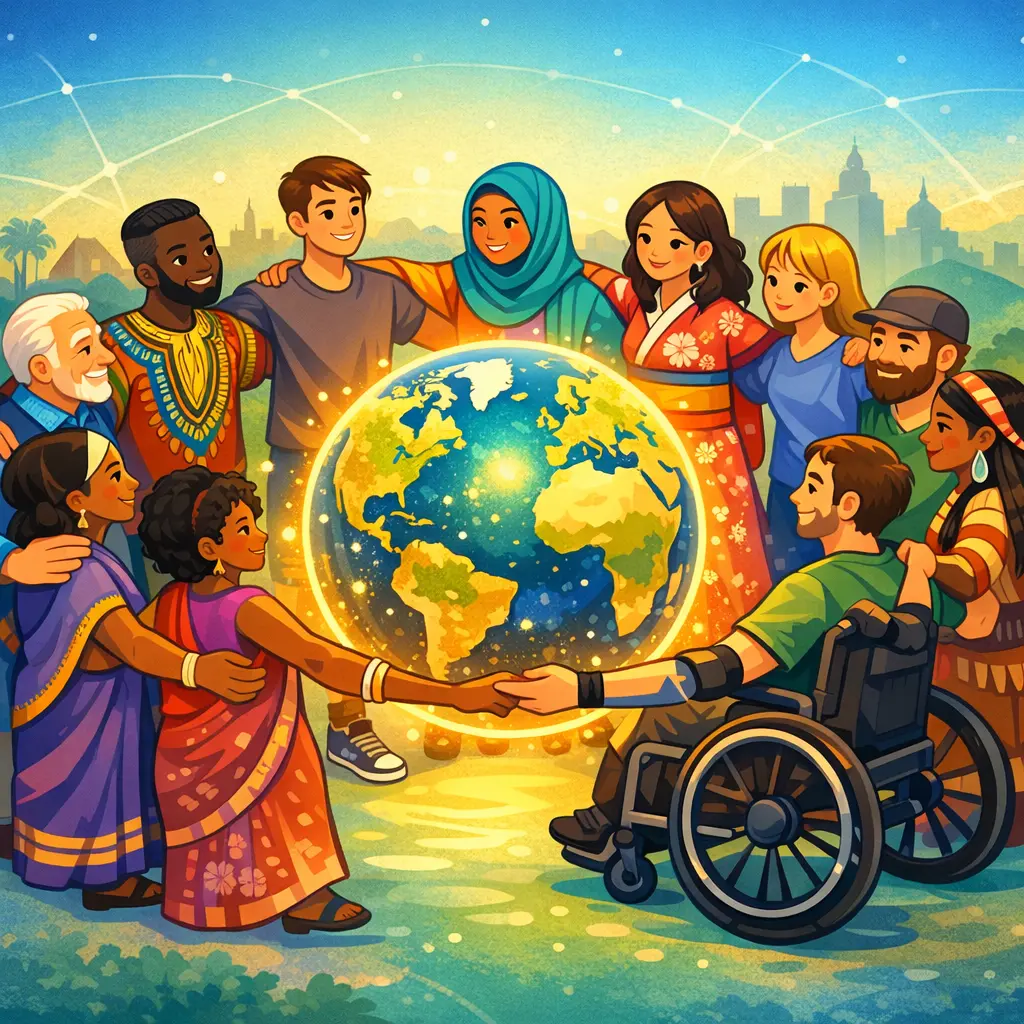
The fashion industry plays a crucial role in shaping consumption patterns and individual identities, reflecting broader cultural, religious, and societal influences. Clothing choices often signify personal and group identity, social status, and cultural heritage. Fashion trends can both challenge and reinforce societal norms, while religious beliefs may dictate modesty or specific dress codes. Ultimately, the interplay between fashion, consumption, and identity highlights the dynamic relationship between self-expression and collective values within society.
Fashion Industry, Consumption & Identity
The fashion industry plays a crucial role in shaping consumption patterns and individual identities, reflecting broader cultural, religious, and societal influences. Clothing choices often signify personal and group identity, social status, and cultural heritage. Fashion trends can both challenge and reinforce societal norms, while religious beliefs may dictate modesty or specific dress codes. Ultimately, the interplay between fashion, consumption, and identity highlights the dynamic relationship between self-expression and collective values within society.
💡 Key Takeaways
- Understand how fashion brands shape personal identity and self-expression through trends and marketing.
- Examine how consumer choices impact the environmental, social, and ethical footprint of the fashion industry.
- Compare fast fashion and sustainable fashion and how each approach influences consumption habits and identity.
- Explore how clothing and style communicate cultural, gender, and subcultural identities.
❓ Frequently Asked Questions
What is fast fashion and how does it affect the industry and identity?
Fast fashion is the rapid production of inexpensive, trend-driven clothing released to meet new styles quickly; it drives high turnover and lower prices, but can raise environmental and labor concerns, while shaping identity through frequent trend-based choices.
How do culture and personal identity influence fashion choices?
Identity is expressed through style, brands, colors, and silhouettes; cultural norms and media shape what’s considered desirable, guiding individual fashion decisions.
What is sustainable fashion and why does it matter?
Sustainable fashion aims to reduce environmental and social harms across a product’s life cycle by using durable materials, ethical production, waste reduction, and recyclability.
How can consumers assess a fashion brand’s ethics?
Look for transparency about supply chains, credible certifications, ethical labor practices, sustainable materials, and clear commitments to reducing waste and improving circularity.