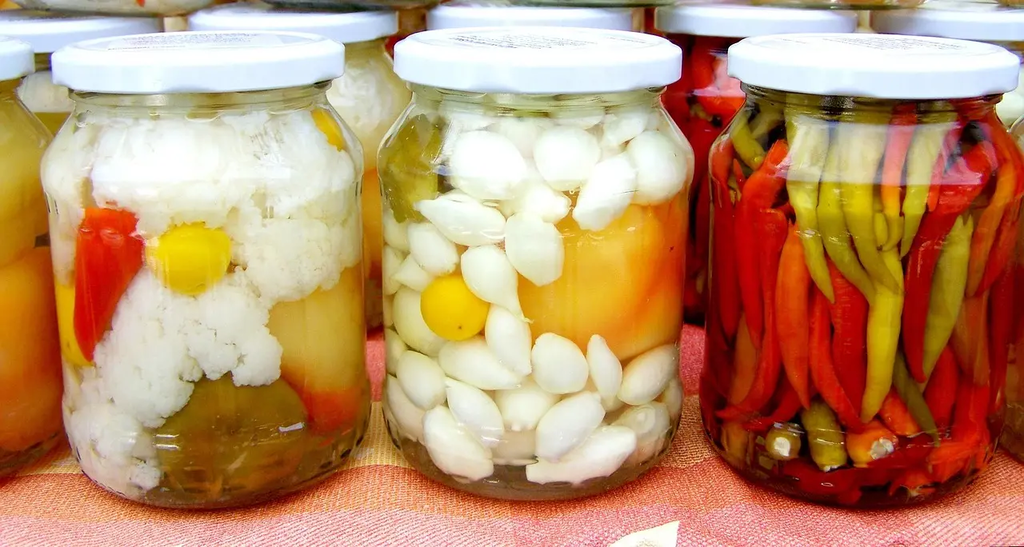
Fermentation revival in British kitchens refers to the renewed interest and enthusiasm for traditional fermentation techniques, such as making sourdough bread, pickles, kimchi, and kombucha, among home cooks in the UK. This movement is driven by a desire for healthier, preservative-free foods, culinary experimentation, and a connection to heritage recipes. It also reflects a broader trend towards sustainability and mindful eating, as people seek to reduce food waste and support gut health.
Fermentation revival in British kitchens
Fermentation revival in British kitchens refers to the renewed interest and enthusiasm for traditional fermentation techniques, such as making sourdough bread, pickles, kimchi, and kombucha, among home cooks in the UK. This movement is driven by a desire for healthier, preservative-free foods, culinary experimentation, and a connection to heritage recipes. It also reflects a broader trend towards sustainability and mindful eating, as people seek to reduce food waste and support gut health.
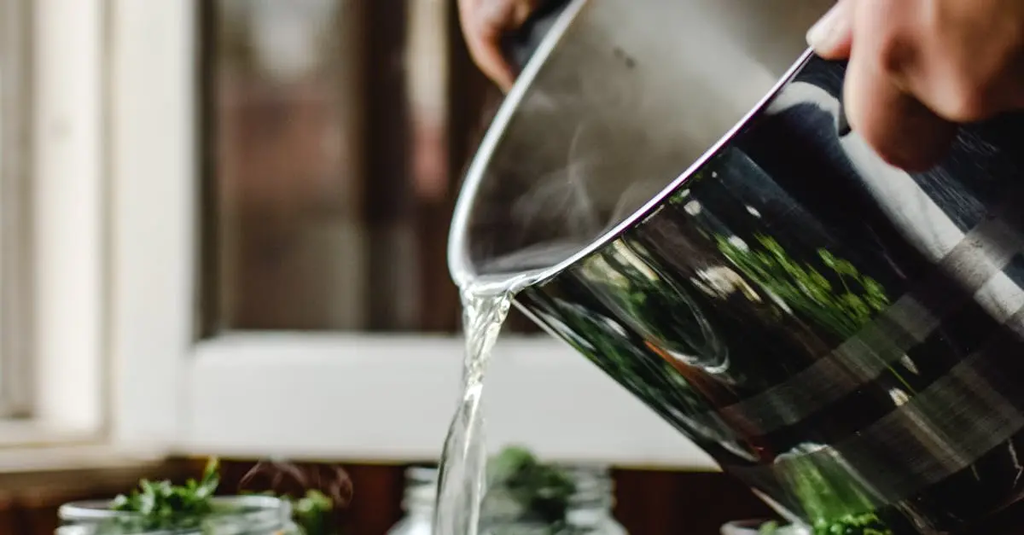
💡 Key Takeaways
- Understand the basics of fermentation and how it preserves and flavors foods like sourdough, pickles, kimchi, and kombucha.
- See why fermentation has become popular in UK home kitchens for healthier, preservative-free options.
- Learn simple, beginner-friendly steps to start fermenting at home safely (cleanliness, timing, salt levels, and monitoring).
- Explore the health, flavor, and sustainability benefits of adding fermentation to everyday British cooking.
❓ Frequently Asked Questions
What is fermentation in cooking?
A natural process where microorganisms (yeast and bacteria) convert sugars into acids, alcohol, or gases, helping preserve food and build flavor.
Why is fermentation seeing a revival in British kitchens?
It offers healthier, preservative-free foods, supports traditional techniques, and helps home cooks create flavorful, longer-lasting staples from local ingredients.
Which foods are commonly fermented in the UK?
Sourdough bread, pickles, kimchi, and kombucha are popular examples, alongside other lactic-fermented foods like yogurt and sauerkraut.
What are basic safety tips for home fermentation?
Use clean equipment, follow tested recipes, maintain appropriate salt levels or starter cultures, keep temperatures steady, and discard anything with off smells, unusual mold, or slimy textures.
How can beginners start fermenting at home?
Begin with simple projects such as cucumber pickles or a sourdough starter, keep notes, sanitize utensils, and gradually explore other ferments as you gain experience.