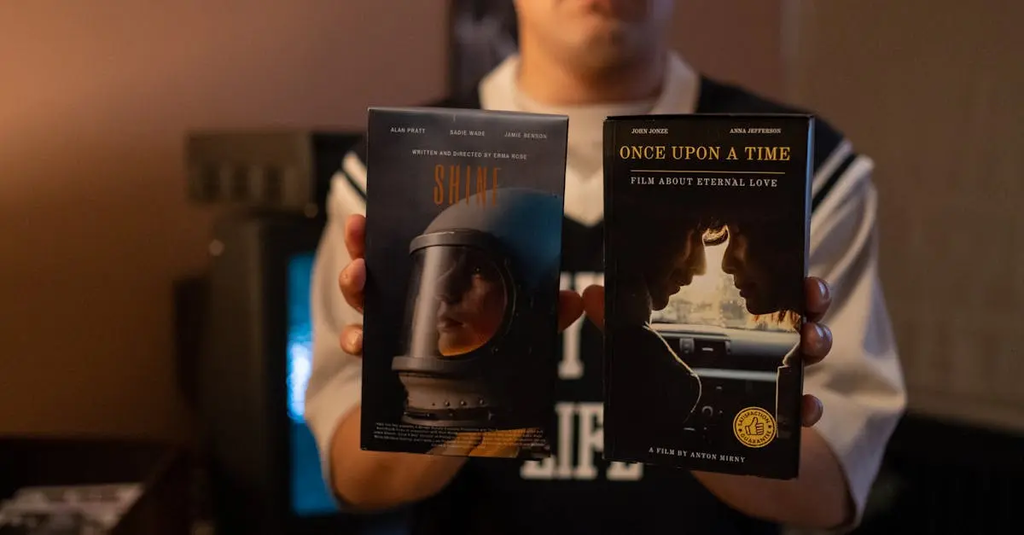
Festival Programming Strategy refers to the deliberate planning and organization of events, performances, and activities within a festival. It involves selecting diverse content, scheduling acts, and balancing genres or themes to appeal to target audiences. This strategy ensures smooth flow, maximizes attendance, enhances audience experience, and aligns with the festival’s overall goals or brand. Effective programming can differentiate a festival, attract sponsors, and foster community engagement and cultural enrichment.
Festival Programming Strategy
Festival Programming Strategy refers to the deliberate planning and organization of events, performances, and activities within a festival. It involves selecting diverse content, scheduling acts, and balancing genres or themes to appeal to target audiences. This strategy ensures smooth flow, maximizes attendance, enhances audience experience, and aligns with the festival’s overall goals or brand. Effective programming can differentiate a festival, attract sponsors, and foster community engagement and cultural enrichment.

💡 Key Takeaways
- Understand how to select diverse, high-quality festival content (movies, performances) to fit audience interests.
- Learn scheduling strategies that ensure a smooth festival flow, balanced pacing, and optimized attendance.
- Explore balancing genres, themes, and formats to maintain engagement across the festival.
- Develop practical approaches for audience targeting, partnerships, and logistics to maximize impact.
❓ Frequently Asked Questions
What is festival programming strategy?
The deliberate planning and organization of events, performances, and activities to create a cohesive, engaging lineup that appeals to the festival’s target audiences.
Why is balancing genres and themes important?
Balancing genres and themes broadens appeal, prevents monotony, and helps tell a unified festival story across acts and stages.
What factors influence scheduling and stage allocation?
Consider genre variety, audience flow and peak times, artist availability, stage capacity, travel times, and avoiding conflicts between acts.
How does a strong programming strategy improve the festival experience?
It ensures smooth transitions, clear pacing, consistent quality, accessibility, and a compelling overall narrative aligned with the festival’s goals.