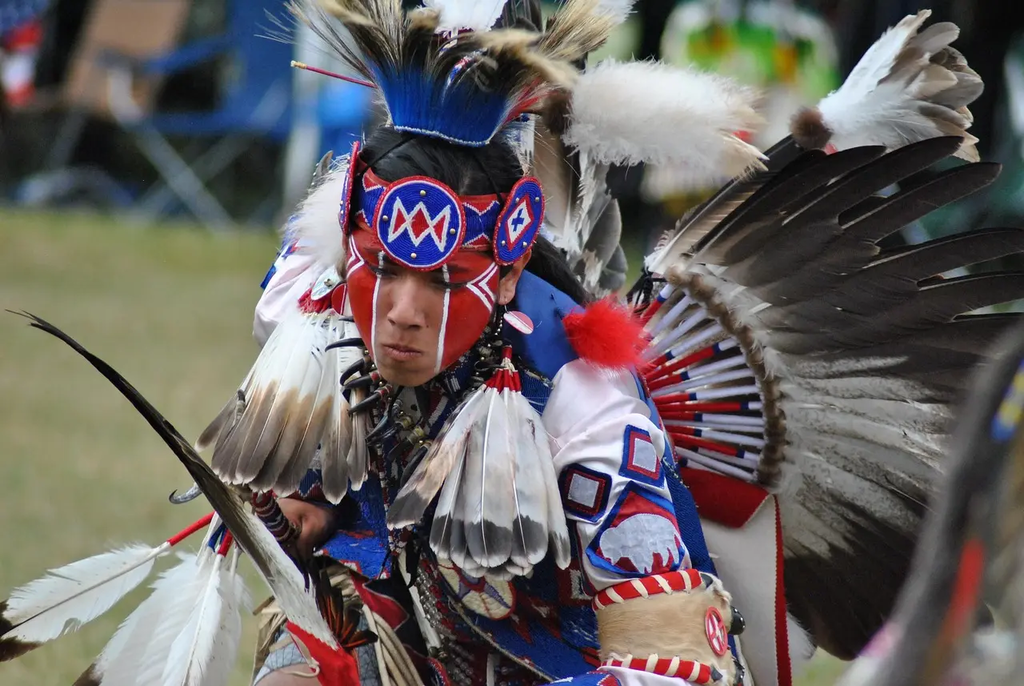
Festival tourism involves travelers visiting destinations specifically to participate in or experience local festivals and cultural events. This type of tourism significantly boosts local economies by increasing demand for accommodation, food, transportation, and local products. It creates seasonal employment opportunities, supports small businesses, and encourages investment in infrastructure. Additionally, festival tourism helps preserve cultural traditions and fosters community pride, making destinations more attractive to both domestic and international tourists.
Festival Tourism and Local Economies
Festival tourism involves travelers visiting destinations specifically to participate in or experience local festivals and cultural events. This type of tourism significantly boosts local economies by increasing demand for accommodation, food, transportation, and local products. It creates seasonal employment opportunities, supports small businesses, and encourages investment in infrastructure. Additionally, festival tourism helps preserve cultural traditions and fosters community pride, making destinations more attractive to both domestic and international tourists.
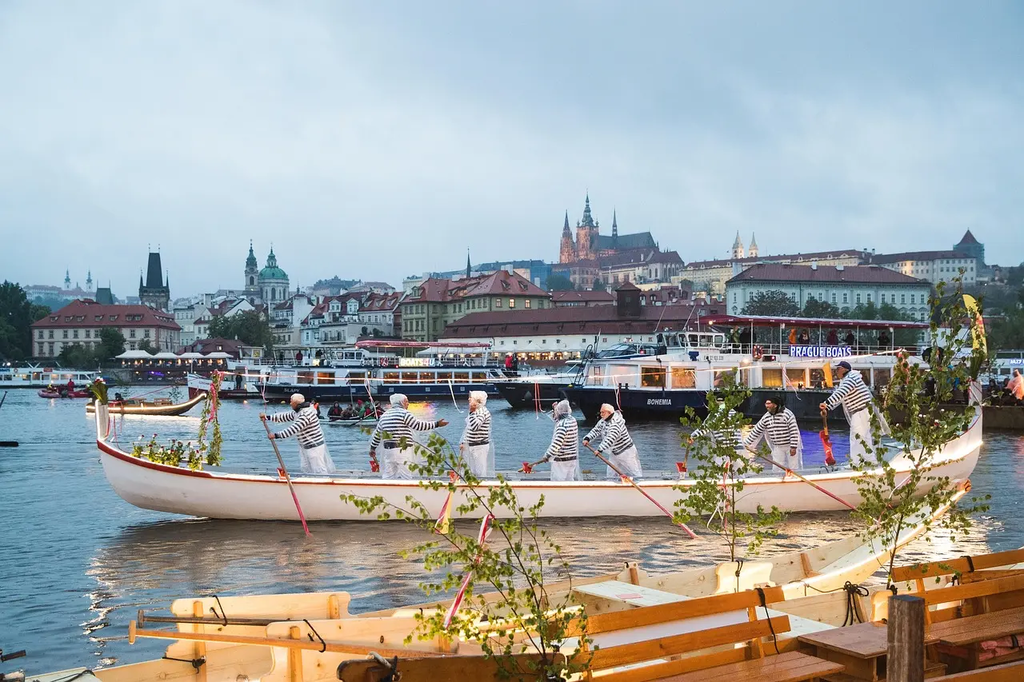
💡 Key Takeaways
- Understand how festival tourism boosts the local economy by increasing demand for lodging, food, transport, and local products.
- Explain direct and indirect economic impacts of festivals, including job creation and revenue for small businesses and vendors.
- Explore how seasonal festivals affect destination attractiveness, planning needs, and year-round visitor flows.
- Identify sustainability and governance considerations for festival tourism, such as crowd management, environmental impact, and cultural preservation.
❓ Frequently Asked Questions
What is festival tourism?
Festival tourism is travel focused on visiting places to participate in or experience local festivals and cultural events, often tied to a region's traditions.
How does festival tourism boost local economies?
It increases demand for lodging, food, transportation, and local products, creating jobs and extra revenue for businesses, especially during seasonal festival periods.
What are common challenges associated with festival tourism?
Crowding, higher prices, strain on infrastructure, environmental impacts, and risks to authentic culture if events are not well managed.
How can communities maximize the benefits of festival tourism?
Plan sustainably, support local businesses and crafts, protect cultural heritage, manage crowds, and coordinate services to balance visitor needs with community well-being.