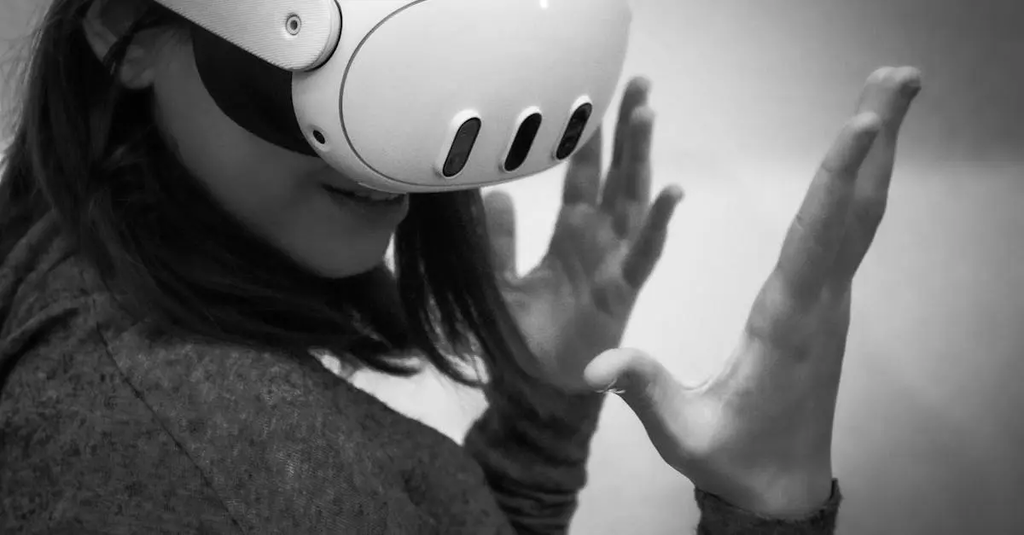
Film as visual art refers to the medium of cinema being appreciated not just for storytelling but for its aesthetic qualities, composition, color, lighting, and visual design. Like painting or photography, film uses images to evoke emotions, convey meanings, and create immersive experiences. Directors, cinematographers, and designers collaborate to craft each frame, turning moving pictures into expressive works that blend narrative with artistic vision, making film a unique form of visual expression.
Film as Visual Art
Film as visual art refers to the medium of cinema being appreciated not just for storytelling but for its aesthetic qualities, composition, color, lighting, and visual design. Like painting or photography, film uses images to evoke emotions, convey meanings, and create immersive experiences. Directors, cinematographers, and designers collaborate to craft each frame, turning moving pictures into expressive works that blend narrative with artistic vision, making film a unique form of visual expression.
💡 Key Takeaways
- Recognize how composition, color, lighting, and production design create a film’s visual language.
- Understand how cinema uses images to evoke emotions and convey meanings beyond dialogue.
- Compare film’s visual storytelling to painting and photography in framing and aesthetics.
- Identify how shot choices, camera movement, color palette, and lighting shape immersion and mood.
❓ Frequently Asked Questions
What does it mean to view film as visual art?
Film as visual art means appreciating cinema for its images, composition, lighting, color, and visual design—how visuals create emotion and meaning beyond the plot.
How do composition and framing influence a film's meaning?
Framing places subjects deliberately; composition controls balance, depth, and focus, shaping how viewers interpret scenes and relationships.
What roles do lighting and color play in film aesthetics?
Lighting defines mood, visibility, and texture; color palettes convey tone, symbolism, and unify the visual style across scenes.
What is mise-en-scène and why is it significant?
Mise-en-scène refers to everything visible in a shot—setting, props, costumes, lighting, and actor blocking—that creates the world and hints at themes.
What is cinematography and how does it relate to storytelling?
Cinematography is the art of capturing moving images—camera work, lenses, movement, and angles—that shape perception and support the narrative and visuals.