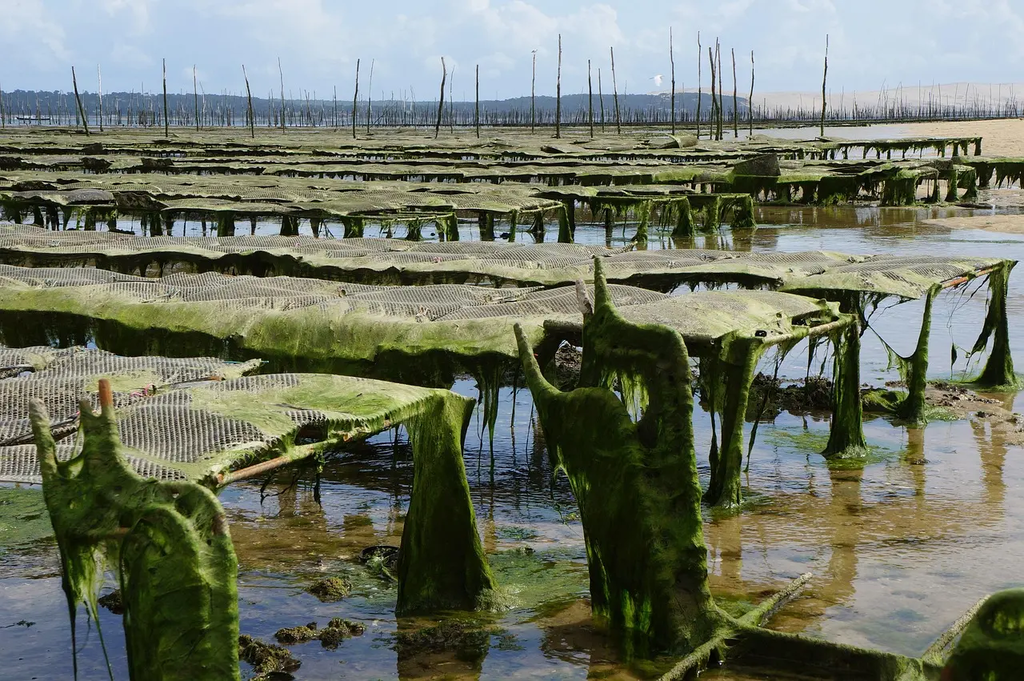
Fisheries collapses refer to the dramatic decline of wild fish populations due to overfishing or environmental changes, leading to reduced catches and economic hardship for communities reliant on fishing. Aquaculture, the cultivation of fish and other aquatic organisms, emerges as a solution to meet seafood demand amidst collapsing fisheries. Domestic sourcing emphasizes obtaining seafood from local or national producers, supporting food security and reducing reliance on potentially unsustainable international supply chains.
Fisheries collapses, aquaculture, and domestic sourcing
Fisheries collapses refer to the dramatic decline of wild fish populations due to overfishing or environmental changes, leading to reduced catches and economic hardship for communities reliant on fishing. Aquaculture, the cultivation of fish and other aquatic organisms, emerges as a solution to meet seafood demand amidst collapsing fisheries. Domestic sourcing emphasizes obtaining seafood from local or national producers, supporting food security and reducing reliance on potentially unsustainable international supply chains.
💡 Key Takeaways
- Identify how overfishing and environmental changes led to fisheries collapses and affected coastal communities.
- Explain how aquaculture emerged as a response to declining wild catches and its role in meeting domestic seafood demand.
- Trace the evolution of American seafood sourcing, policy, and regional culinary traditions that shaped consumption.
- Assess the environmental, economic, and social trade-offs between aquaculture and wild fisheries to inform sustainable choices.
❓ Frequently Asked Questions
What does 'fisheries collapses' mean in American culinary history?
A dramatic decline in wild fish stocks due to overfishing and environmental changes, leading to reduced catches and hardship for fishing communities.
How does aquaculture help address fisheries collapses?
Aquaculture is the farming of fish and other aquatic organisms, which can provide a steady domestic seafood supply and reduce pressure on wild populations.
Why is domestic sourcing emphasized in this context?
Domestic sourcing supports local economies, preserves culinary traditions, and can improve traceability and sustainability when seafood is produced or harvested responsibly at home.
What should consumers look for to choose sustainable seafood?
Look for certifications (e.g., MSC for wild-caught, ASC for farmed), diversify species, prefer locally produced options when possible, and consider the producer's environmental practices.