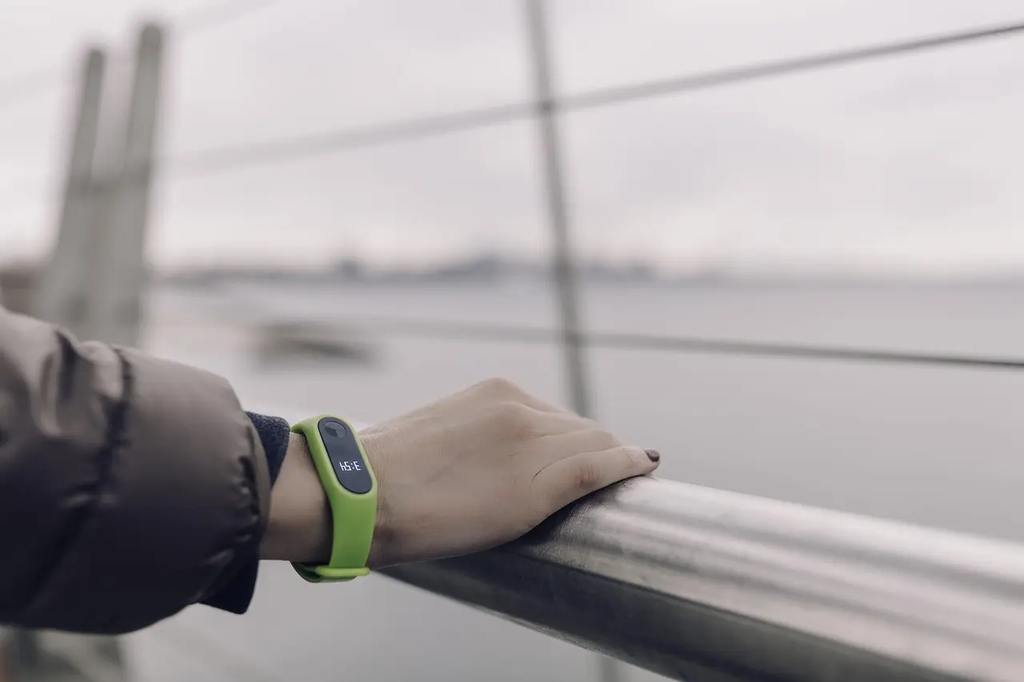
Fitness trackers are wearable devices that monitor physical activities, such as steps taken, heart rate, and sleep patterns. They collect health data, providing users with insights into their daily habits and overall well-being. This information helps individuals set fitness goals, track progress, and make informed decisions about their health. Additionally, the collected data can be shared with healthcare professionals for better health management and personalized care.
Fitness Trackers and Health Data
Fitness trackers are wearable devices that monitor physical activities, such as steps taken, heart rate, and sleep patterns. They collect health data, providing users with insights into their daily habits and overall well-being. This information helps individuals set fitness goals, track progress, and make informed decisions about their health. Additionally, the collected data can be shared with healthcare professionals for better health management and personalized care.
💡 Key Takeaways
- Understand what data fitness trackers collect (steps, heart rate, sleep) and why it matters.
- Learn how to interpret daily metrics to set achievable fitness goals and monitor progress.
- Recognize factors that affect data accuracy and how to optimize tracker use for better insights.
- Consider privacy, data sharing, and device settings to protect health information.
❓ Frequently Asked Questions
What are fitness trackers?
Wearable devices that monitor physical activity and health metrics (steps, heart rate, sleep, calories, and more) to help you track progress and stay motivated.
What data do fitness trackers collect?
Common data include steps, distance, calories burned, heart rate, sleep duration and quality, workouts, and sometimes GPS or active minutes depending on the device.
How can sleep data be useful?
Sleep data shows duration and quality, helping you identify patterns and improve routines for better rest and overall well‑being.
How can I use tracking data to set goals?
Look at trends (e.g., average steps, sleep hours) and set realistic targets; monitor progress daily and adjust goals as you improve.