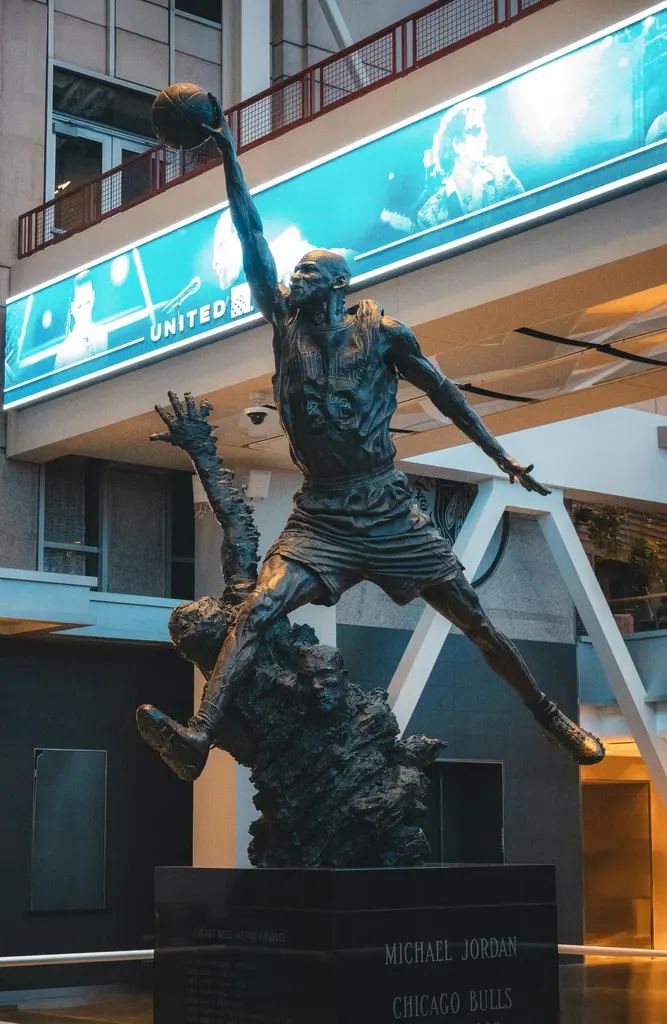
Fitness, training, and nutrition are interconnected pillars essential for achieving optimal health and well-being. Fitness refers to overall physical condition and the ability to perform daily activities efficiently. Training involves structured physical exercises designed to improve strength, endurance, and flexibility. Nutrition focuses on consuming the right balance of nutrients to fuel the body, support recovery, and promote growth. Together, they form a holistic approach to maintaining a healthy lifestyle and reaching personal health goals.
Fitness, Training & Nutrition
Fitness, training, and nutrition are interconnected pillars essential for achieving optimal health and well-being. Fitness refers to overall physical condition and the ability to perform daily activities efficiently. Training involves structured physical exercises designed to improve strength, endurance, and flexibility. Nutrition focuses on consuming the right balance of nutrients to fuel the body, support recovery, and promote growth. Together, they form a holistic approach to maintaining a healthy lifestyle and reaching personal health goals.

💡 Key Takeaways
- Understand the main football fitness components (endurance, speed, strength, and agility) and how they impact match performance.
- Learn how to design training sessions that improve these components with proper recovery to prevent injuries.
- Apply nutrition strategies to fuel training days, match days, and recovery effectively.
- Implement hydration and fueling timing to optimize performance during games and training.
❓ Frequently Asked Questions
What role does fitness play in soccer performance?
Fitness defines the body's capacity to meet match demands—endurance, strength, speed, power, and recovery—supporting sustained performance and reducing injury risk.
Why are warm-ups and cool-downs essential for soccer players?
A warm-up prepares muscles and the nervous system, improves performance, and lowers injury risk; a cooldown aids recovery and reduces muscle stiffness.
How should soccer players fuel and stay hydrated for training and matches?
Prioritize carbohydrates for energy, protein for repair, fats for health, and fluids. Timing matters: a meal 2–4 hours before activity and a protein+carbs snack within 1–2 hours after; adjust intake to individual needs.
How is soccer training typically structured?
Training uses periodization with macro- and microcycles, mixing aerobic endurance, strength, speed, agility, and technical drills, plus rest and recovery to prevent overtraining.