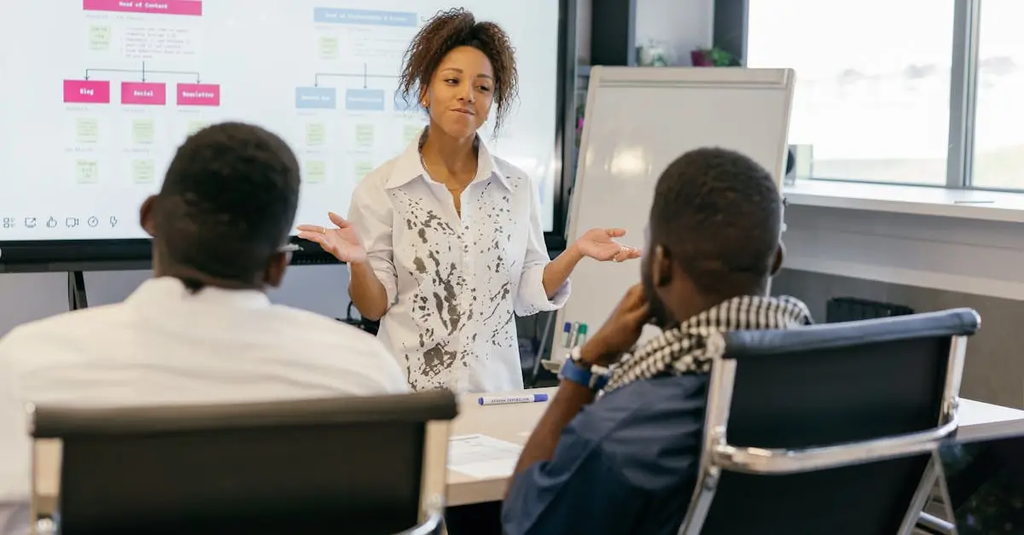
Flipped classroom implementation is an instructional strategy where traditional teaching methods are reversed. Instead of receiving lectures in class, students access instructional materials—such as videos or readings—at home. Classroom time is then dedicated to engaging activities, discussions, and problem-solving, allowing for deeper understanding and personalized support. This approach fosters active learning, encourages student participation, and enables teachers to address individual learning needs more effectively.
Flipped Classroom Implementation
Flipped classroom implementation is an instructional strategy where traditional teaching methods are reversed. Instead of receiving lectures in class, students access instructional materials—such as videos or readings—at home. Classroom time is then dedicated to engaging activities, discussions, and problem-solving, allowing for deeper understanding and personalized support. This approach fosters active learning, encourages student participation, and enables teachers to address individual learning needs more effectively.
💡 Key Takeaways
- Understand the flipped classroom concept and how it differs from traditional lectures.
- Identify suitable at-home instructional materials (videos, readings) and how they support in-class activities.
- Plan in-class activities that promote active learning, collaboration, and higher-order thinking.
- Anticipate challenges (tech access, student accountability) and apply practical strategies to address them.
❓ Frequently Asked Questions
What is a flipped classroom?
A teaching approach where students study content at home (videos, readings) and class time is used for discussion, practice, and higher-order activities.
What types of materials are used in a flipped classroom?
Outside-class materials include videos, readings, or interactive modules that introduce concepts before class.
What are the main benefits of flipped classroom implementation?
More active, collaborative in-class time; personalized support; increased student engagement and deeper understanding.
What are common challenges and how can they be addressed?
Challenges include access to materials and student preparation. Address with clear expectations, simple pre-class tasks, and well-aligned in-class activities.
How is assessment handled in a flipped classroom?
Pre-class readiness checks, in-class collaborative activities, and ongoing formative feedback to monitor progress.