Food microbiology in the kitchen refers to the study and understanding of microorganisms—such as bacteria, yeasts, and molds—that are present in food and kitchen environments. It involves recognizing how these microbes can affect food safety, spoilage, and fermentation. Applying food microbiology principles in the kitchen helps prevent foodborne illnesses, ensures proper food storage and handling, and can be used to create fermented foods like yogurt, bread, and pickles.
Food Microbiology in the Kitchen
Food microbiology in the kitchen refers to the study and understanding of microorganisms—such as bacteria, yeasts, and molds—that are present in food and kitchen environments. It involves recognizing how these microbes can affect food safety, spoilage, and fermentation. Applying food microbiology principles in the kitchen helps prevent foodborne illnesses, ensures proper food storage and handling, and can be used to create fermented foods like yogurt, bread, and pickles.
💡 Key Takeaways
- Identify the key microorganisms in home kitchens (bacteria, yeasts, molds) and their roles in safety, spoilage, and fermentation.
- Understand how time, temperature, moisture, pH, and oxygen influence microbial growth and how to control them during cooking, cooling, and storage.
- Differentiate between spoilage microbes and beneficial fermenters and recognize signs of spoilage versus successful fermentation.
- Use basic sanitation and storage practices (cleaning, sanitizing, proper refrigeration, and preventing cross-contamination) to minimize contamination and control growth.
❓ Frequently Asked Questions
What is food microbiology?
The study of microorganisms in food and kitchen environments—bacteria, yeasts, and molds—and how they affect safety, spoilage, and fermentation.
What is the 'danger zone' for food temperatures, and why does it matter?
The danger zone is roughly 4°C to 60°C (40°F–140°F). In this range, many microbes grow quickly, so proper cooling, reheating, and hot holding reduce risk.
What is cross-contamination, and how can you prevent it in the kitchen?
Cross-contamination is the transfer of microbes from raw foods to ready-to-eat foods, surfaces, or utensils. Prevent by using separate cutting boards and knives for raw vs. cooked foods, washing hands often, cleaning surfaces, and storing raw foods away from ready-to-eat items.
What roles do yeasts and molds play in food, and when should you worry about them?
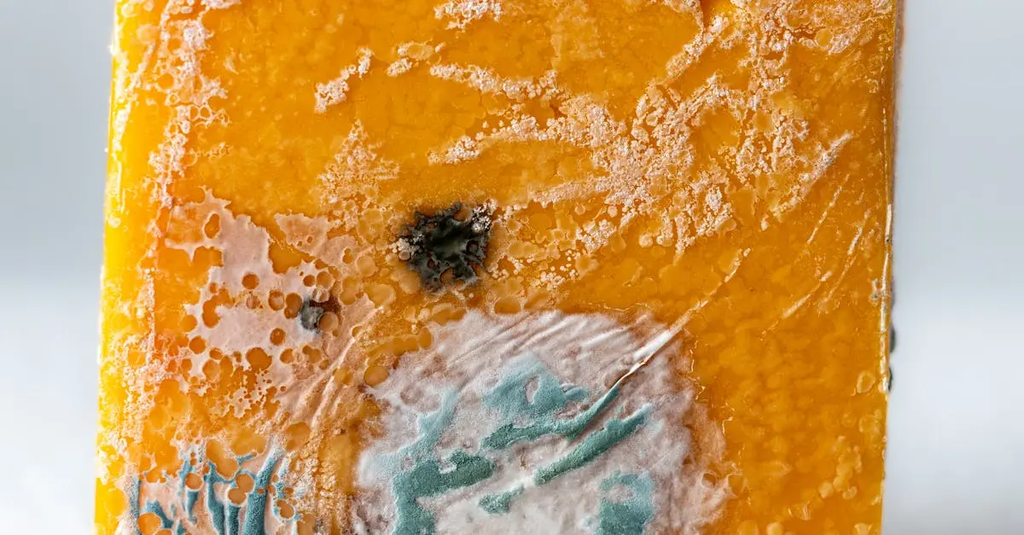
Yeasts drive fermentation, producing flavors, alcohol, and carbon dioxide (as in bread, beer, and wine). Molds can spoil foods or be used in controlled fermentation (e.g., some cheeses). In most homes, visible mold on food signals spoilage—discard unless the product is intended for mold culture and you follow safe guidelines.