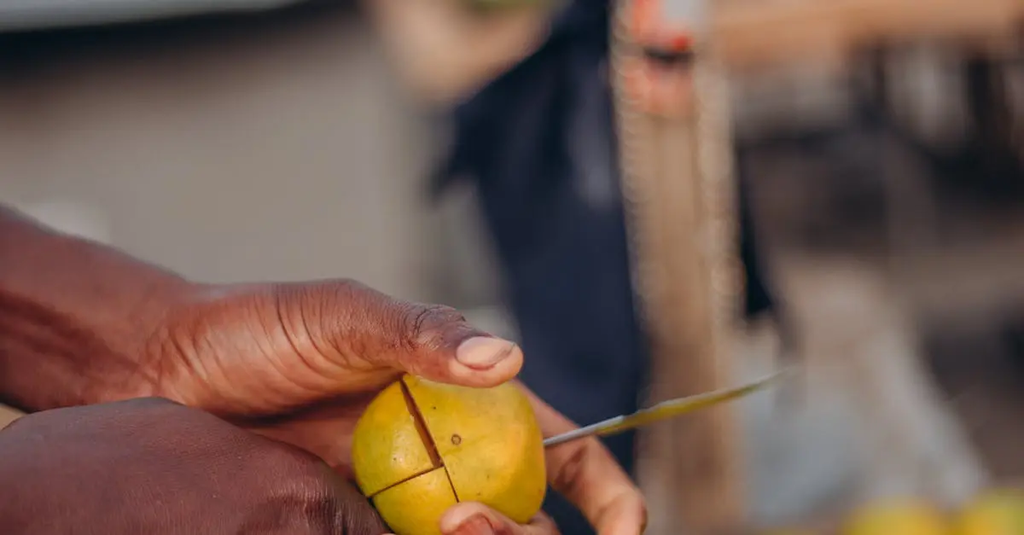
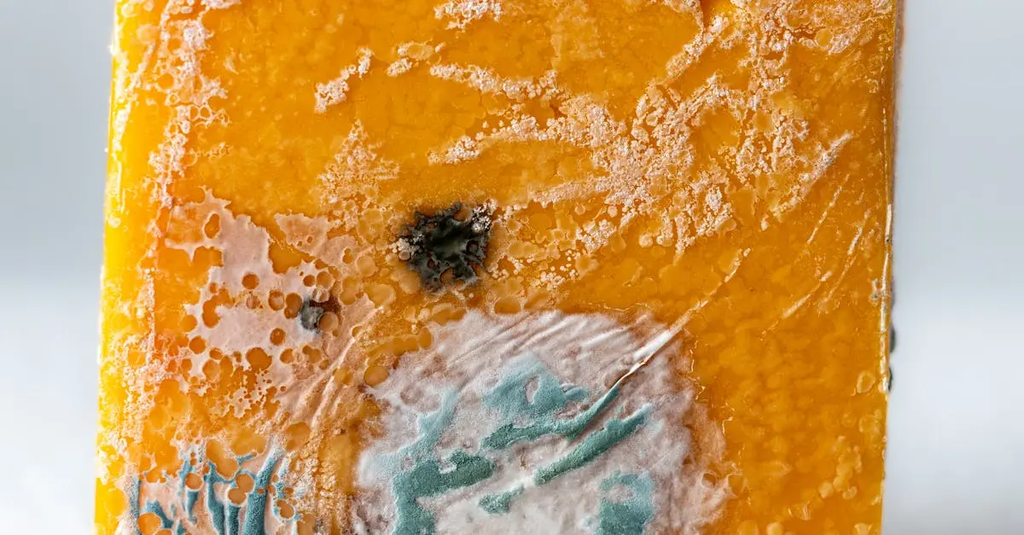
Food safety and hygiene refer to the practices and conditions necessary to ensure that food is safe to eat and free from harmful contaminants. This includes proper handling, preparation, storage, and cleanliness to prevent foodborne illnesses. Maintaining food safety and hygiene involves personal cleanliness, sanitizing equipment, cooking food to safe temperatures, and preventing cross-contamination, all of which help protect consumer health and uphold food quality standards.
Food Safety and Hygiene
Food safety and hygiene refer to the practices and conditions necessary to ensure that food is safe to eat and free from harmful contaminants. This includes proper handling, preparation, storage, and cleanliness to prevent foodborne illnesses. Maintaining food safety and hygiene involves personal cleanliness, sanitizing equipment, cooking food to safe temperatures, and preventing cross-contamination, all of which help protect consumer health and uphold food quality standards.
💡 Key Takeaways
- Practice essential personal hygiene for safe food handling (handwashing, clean attire, hair restraint)
- Apply safe handling, preparation, and storage practices to prevent contamination
- Follow proper cooking, cooling, and refrigeration temperatures and times
- Maintain clean and sanitized workspaces and equipment to prevent cross-contamination
❓ Frequently Asked Questions
What is food safety and why is it important?
Food safety means handling, preparing, and storing food in ways that prevent contamination and illness. It reduces the risk of foodborne diseases and keeps meals safe.
What is cross-contamination and how can I prevent it?
Cross-contamination is the transfer of harmful bacteria from one surface to another. Prevent it by using separate cutting boards for raw meat and produce, cleaning and sanitizing surfaces, washing hands between tasks, and storing raw foods away from ready-to-eat items.
What are safe cooking temperatures for common foods?
Use a food thermometer: poultry at 165°F (74°C); ground meats at 160°F (71°C); beef, pork, lamb, and fish at 145°F (63°C) with a short rest time; reheat leftovers to 165°F (74°C).
How should perishable foods be stored to stay safe?
Refrigerate at 40°F (4°C) or below and freeze at 0°F (-18°C) or below. Keep raw meats separate from ready-to-eat foods, store leftovers within two hours, and check expiration dates.
What personal hygiene practices help keep food safe?
Wash hands with soap and warm water before handling food and after bathroom use, handle raw foods separately, keep nails short, tie back hair, and wear clean clothing.