Food Science & Techniques: Knife Skills & Cuts refers to the foundational knowledge and practical abilities involved in handling knives safely and efficiently in the kitchen. It encompasses understanding different types of knives, their uses, and mastering various cutting techniques such as chopping, dicing, julienning, and mincing. Proper knife skills ensure uniformity in food preparation, enhance cooking safety, and influence the texture, appearance, and even flavor release of ingredients.
Food Science & Techniques: Knife Skills & Cuts
Food Science & Techniques: Knife Skills & Cuts refers to the foundational knowledge and practical abilities involved in handling knives safely and efficiently in the kitchen. It encompasses understanding different types of knives, their uses, and mastering various cutting techniques such as chopping, dicing, julienning, and mincing. Proper knife skills ensure uniformity in food preparation, enhance cooking safety, and influence the texture, appearance, and even flavor release of ingredients.
💡 Key Takeaways
- Identify common kitchen knives (chef's knife, paring knife, serrated blade) and their primary uses.
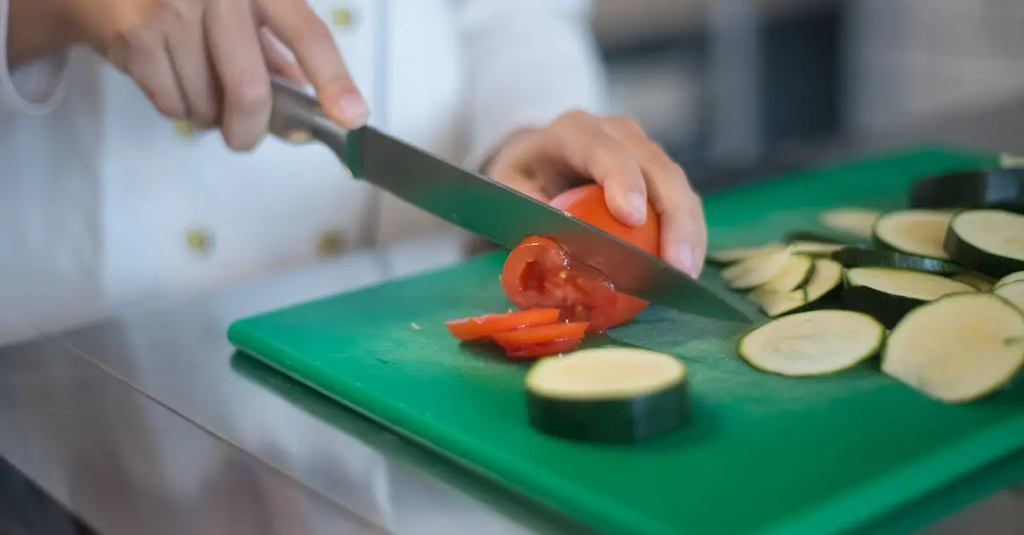
- Demonstrate proper grip, stance, and safe handling to prevent slips and injuries.
- Master essential cutting techniques such as chopping, slicing, dicing, mincing, and julienne.
- Learn basic knife maintenance: cleaning, sharpening or stropping, and safe storage to keep edges sharp.
- Improve cutting speed and consistency by choosing the right knife for the task and maintaining controlled, even cuts.
❓ Frequently Asked Questions
What is the difference between a chef's knife and a paring knife, and when would you use each?
A chef's knife (8–10 in) is a versatile blade for chopping, slicing, and dicing larger items; a paring knife (3–4 in) is smaller and ideal for trimming, peeling, and precision work.
Which knife is best for filleting fish or trimming fat from meat?
Use a fillet knife for fish (flexible blade). For trimming fat and working near bones, a boning knife (stiffer blade) is ideal.
What is the 'claw' grip and why is it important?
Tuck fingertips under (fingers curved) and guide the blade with your knuckles. This protects fingertips and improves control.
What are common knife cuts and how do they differ (chop, dice, julienne, brunoise)?
Chop: rough pieces; Dice: evenly sized cubes; Julienne: thin matchsticks; Brunoise: tiny cubes (very small).
How should you care for a knife to keep it sharp and safe?
Hone regularly to realign the edge, sharpen as needed with a stone or sharpener, hand wash and dry, and store safely.