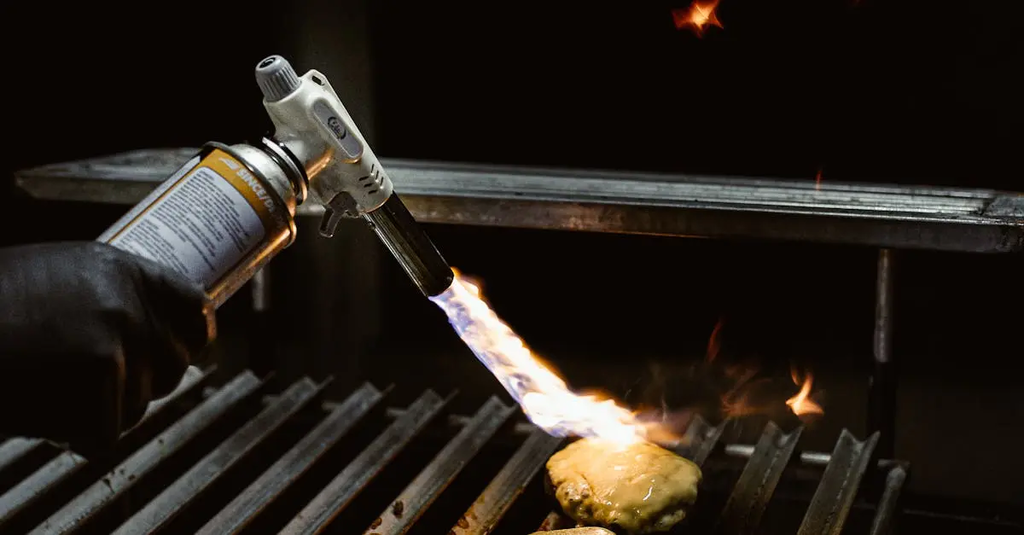
Food Science & Techniques: Searing & Maillard refers to the culinary practice of browning food surfaces at high temperatures, creating a flavorful crust. Searing triggers the Maillard reaction, a chemical process between amino acids and sugars that produces complex flavors, aromas, and appealing colors. This technique is essential in cooking meats and other foods, enhancing taste and texture while locking in juices, making dishes more savory and appetizing.
Food Science & Techniques: Searing & Maillard
Food Science & Techniques: Searing & Maillard refers to the culinary practice of browning food surfaces at high temperatures, creating a flavorful crust. Searing triggers the Maillard reaction, a chemical process between amino acids and sugars that produces complex flavors, aromas, and appealing colors. This technique is essential in cooking meats and other foods, enhancing taste and texture while locking in juices, making dishes more savory and appetizing.
💡 Key Takeaways
- Understand how searing at high heat browns the surface to form a flavorful crust on proteins and other foods.
- Learn the Maillard reaction: how amino acids and reducing sugars react to create complex flavors and aromas during browning.
- Identify factors that influence browning (temperature, moisture, pan surface, crowding, and oil choice) and how to optimize them for a better crust.
- Apply practical searing techniques (pat dry, preheat your pan, use a small amount of oil with a high smoke point, avoid overcrowding, and let the crust form before turning) to improve flavor and texture.
❓ Frequently Asked Questions
What is the Maillard reaction?
A chemical reaction between amino acids and reducing sugars that occurs during heating, producing browning, complex flavors and aromas in cooked foods; it begins around 140°C (284°F) and is promoted by a dry surface.
What does searing do in cooking?
Searing browns the surface quickly to form a flavorful crust via the Maillard reaction, adding texture and aroma; it does not cook the interior by itself.
What factors influence Maillard browning?
Temperature, moisture level, time, availability of reducing sugars and amino acids, and surface pH; dry heat and good pan contact promote browning.
How can you maximize browning when searing?
Pat the surface dry, preheat a heavy pan, use high heat and a thin layer of fat, avoid overcrowding, let the crust form before turning, and deglaze to capture fond.