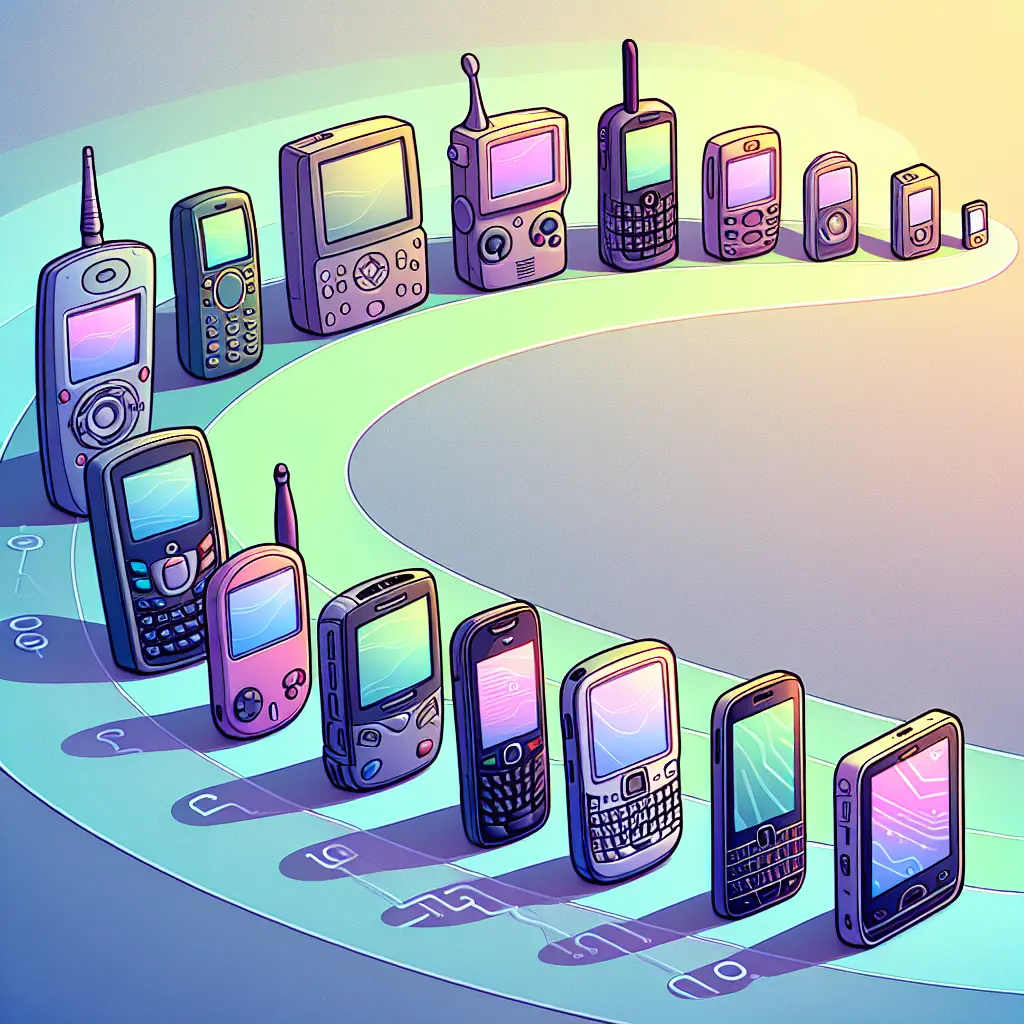
"From PDAs to Smartphones: A Timeline" traces the evolution of mobile technology, beginning with early Personal Digital Assistants (PDAs) of the 1990s, which offered basic digital organization and communication tools. Over the years, advancements in hardware and software led to the integration of phone capabilities, internet access, and multimedia features, ultimately resulting in the modern smartphone. This timeline highlights key innovations and milestones that transformed portable devices into essential, multifunctional tools.
From PDAs to Smartphones: A Timeline
"From PDAs to Smartphones: A Timeline" traces the evolution of mobile technology, beginning with early Personal Digital Assistants (PDAs) of the 1990s, which offered basic digital organization and communication tools. Over the years, advancements in hardware and software led to the integration of phone capabilities, internet access, and multimedia features, ultimately resulting in the modern smartphone. This timeline highlights key innovations and milestones that transformed portable devices into essential, multifunctional tools.
💡 Key Takeaways
- Trace the journey from 1990s PDAs to today’s smartphones, identifying key milestones across each decade.
- Explain how hardware advances (processors, memory, displays, battery tech) enabled increasingly capable mobile devices.
- Understand the role of software ecosystems—operating systems and app stores—in shaping mobile usage and opportunities.
- Describe the evolution of wireless connectivity (2G/3G/4G/5G) and its impact on mobile web access, messaging, and data services.
- Assess the broader impact of smartphones on productivity, photography, social interaction, and everyday life.
❓ Frequently Asked Questions
What is a PDA and how did it differ from early smartphones?
A PDA (Personal Digital Assistant) focused on organizing data (calendar, contacts, notes) and basic apps, with limited phone use. Early smartphones later combined phone features with PDA-like tools and apps.
What milestones marked the PDAs-to-smartphones shift?
Milestones include Palm’s initial PDAs, BlackBerry’s business smartphones with email, the rise of full-touch devices, and the iPhone/Android era that added robust app ecosystems.
What role did mobile operating systems play in this evolution?
Mobile OSes provided platforms for apps and services, enabling multitasking, web access, and seamless connectivity, which drove rapid hardware and software advances.
Why is the iPhone considered a turning point in this timeline?
The iPhone popularized large touchscreens and consumer-friendly app stores, accelerating the shift from PDAs to mainstream, multifunctional smartphones.