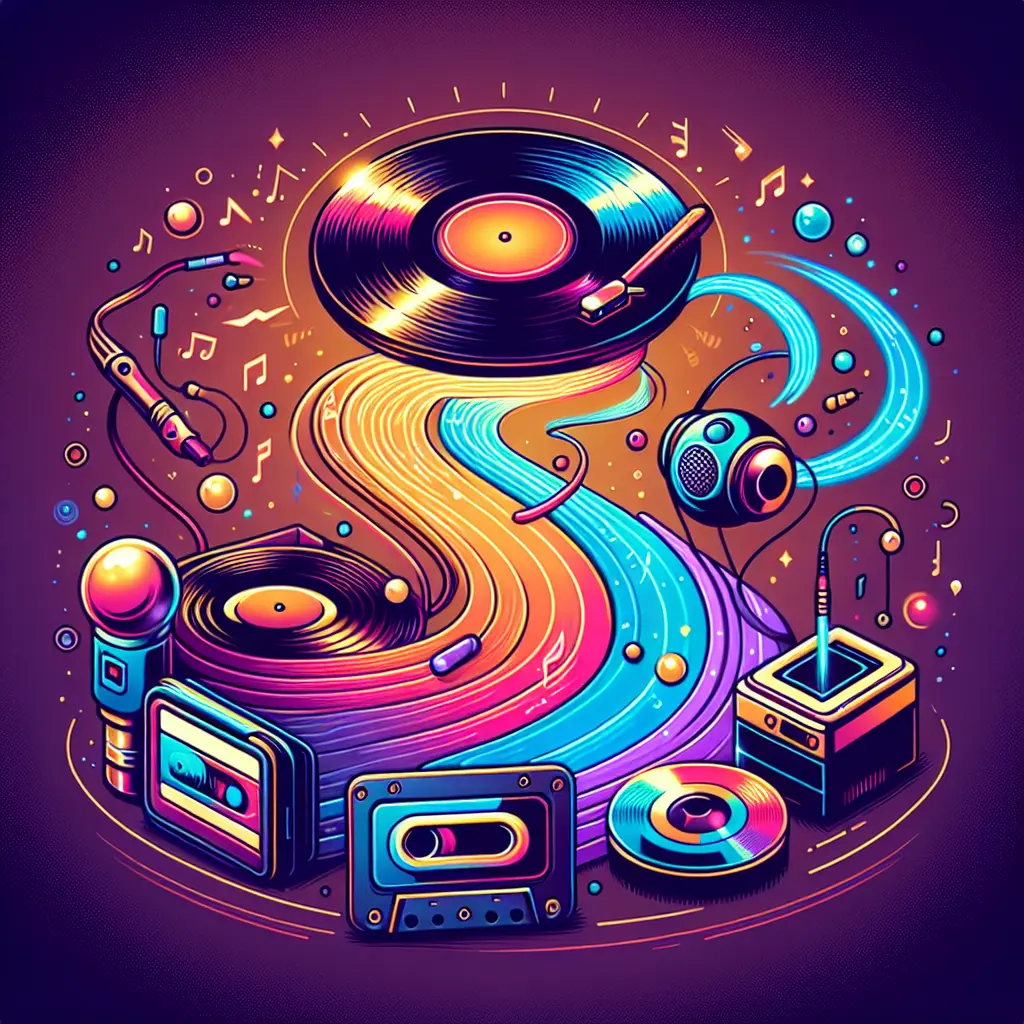
"From Vinyl to Streaming: Music Format Shifts" refers to the evolution of how people access and listen to music over time. It highlights the transition from physical records like vinyl, cassettes, and CDs to digital formats, culminating in streaming services. This shift has changed music consumption, making it more convenient and accessible, while also impacting the music industry’s business models, artist revenue, and listener habits.
From Vinyl to Streaming: Music Format Shifts
"From Vinyl to Streaming: Music Format Shifts" refers to the evolution of how people access and listen to music over time. It highlights the transition from physical records like vinyl, cassettes, and CDs to digital formats, culminating in streaming services. This shift has changed music consumption, making it more convenient and accessible, while also impacting the music industry’s business models, artist revenue, and listener habits.
💡 Key Takeaways
- Trace the major format milestones—from vinyl and cassettes to CDs, digital files, and streaming—and the decades that popularized them.
- Explain how streaming shifted music from owning physical media to paying for on-demand access.
- Identify how digital compression, portable devices, and faster networks enabled new listening habits and portability.
- Describe how discovery, playlists, and algorithms changed how listeners find and consume music.
- Compare the music industry’s revenue shifts and the implications for artists, labels, and pricing models in the streaming era.
❓ Frequently Asked Questions
What are the main formats covered in the vinyl-to-streaming shift, and how do they differ?
Vinyl is an analog disc; cassette uses magnetic tape and is portable; CD is a digital optical disc with durable audio; digital downloads are fixed digital files; streaming delivers music over the internet without owning copies.
What is streaming, and how is it different from owning a song?
Streaming lets you listen on demand from a service without keeping a file; you typically pay a subscription or use ads; ownership isn't transferred.
How did each format influence listening habits and culture?
Vinyl emphasized album-focused listening and physical collecting; cassette enabled portable mixtapes; CD offered durability and convenience; downloads and streaming provided instant access, large catalogs, and playlists.
What makes streaming distinct in today’s music format landscape?
It provides instant access to vast catalogs, personalized recommendations, and cross-device listening without owning media, reshaping discovery and consumption.