"Frontier Tech: Quantum, Robotics, and Chips 2025" refers to the cutting-edge advancements expected in quantum computing, robotics, and semiconductor technology by 2025. This phrase highlights the transformative potential of these fields, as quantum computing promises unprecedented processing power, robotics advances automation and intelligent machines, and next-generation chips drive innovation across industries. Together, they represent the forefront of technological progress shaping the future of science, industry, and society.
Frontier Tech: Quantum, Robotics, and Chips 2025
"Frontier Tech: Quantum, Robotics, and Chips 2025" refers to the cutting-edge advancements expected in quantum computing, robotics, and semiconductor technology by 2025. This phrase highlights the transformative potential of these fields, as quantum computing promises unprecedented processing power, robotics advances automation and intelligent machines, and next-generation chips drive innovation across industries. Together, they represent the forefront of technological progress shaping the future of science, industry, and society.
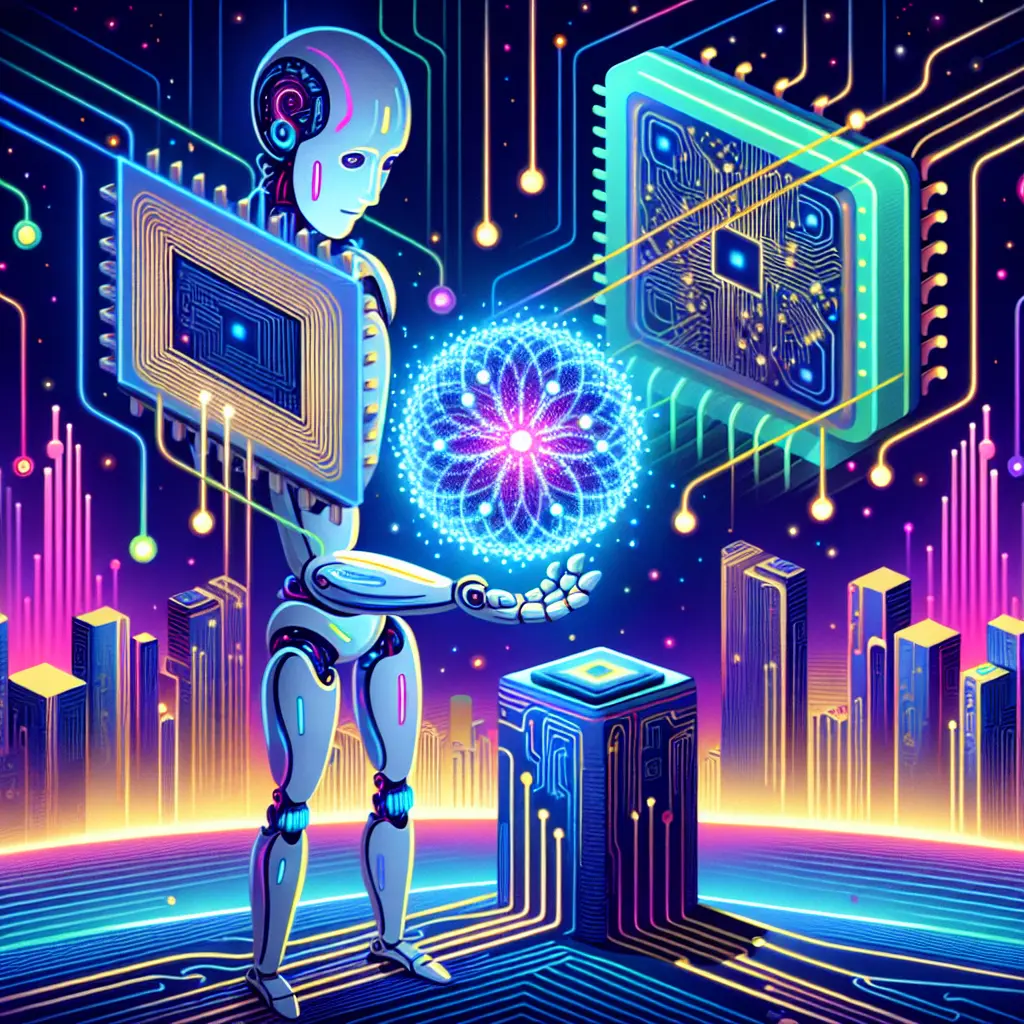
💡 Key Takeaways
- Understand how quantum computing uses qubits, superposition, and entanglement to potentially surpass classical CPUs.
- Learn how robotics combines AI, sensors, and safety features to enable autonomous and collaborative robots in industry and daily life.
- Explore 2025 chip advances—new architectures, EUV lithography, chiplets, and 3D packaging—and what they mean for performance and energy efficiency.
- Consider the societal and cultural implications of frontier tech, including jobs, privacy, ethics, and governance in a connected world.
❓ Frequently Asked Questions
What is quantum computing?
Quantum computing uses quantum bits (qubits) and phenomena like superposition and entanglement to solve certain problems much faster than classical computers, with applications in optimization, chemistry simulations, and cryptography.
What is a qubit and how is it different from a classical bit?
A qubit is the basic unit of quantum information that can be 0, 1, or both in a superposition. Qubits can be entangled, enabling correlated states across multiple qubits, unlike classical bits which are strictly 0 or 1.
What advances in robotics are expected by 2025?
Robots with greater autonomy, better sensing, AI, and manipulation capabilities, enabling expanded use in manufacturing, logistics, healthcare, and service industries.
Why are chips and semiconductors important for frontier tech?
Chips power devices and enable faster, more capable computing, including AI accelerators and sensor processing, which underpin quantum-classical computing, advanced robotics, and emerging applications.