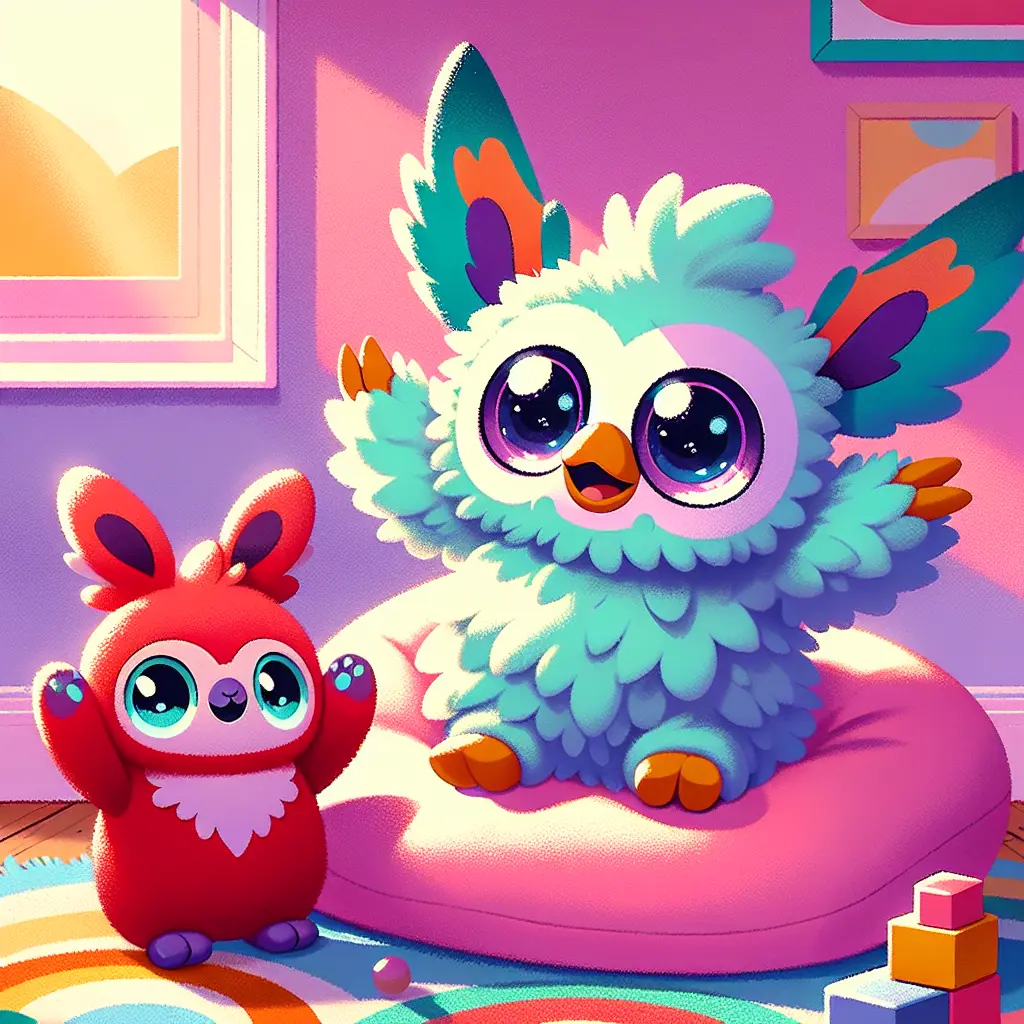
Furbies and Tickle Me Elmo are iconic interactive toys from the late 1990s that sparked massive consumer crazes. Furbies are owl-like, electronic pets that respond to touch and speech, learning new words over time. Tickle Me Elmo, based on the Sesame Street character, laughs and shakes when tickled. Both toys became cultural phenomena, with high demand leading to frenzied holiday shopping and making them symbols of 1990s toy mania.
Furbies & Tickle Me Elmo
Furbies and Tickle Me Elmo are iconic interactive toys from the late 1990s that sparked massive consumer crazes. Furbies are owl-like, electronic pets that respond to touch and speech, learning new words over time. Tickle Me Elmo, based on the Sesame Street character, laughs and shakes when tickled. Both toys became cultural phenomena, with high demand leading to frenzied holiday shopping and making them symbols of 1990s toy mania.
💡 Key Takeaways
- See how Furbies combined touch, speech, and word-learning to adapt their behavior over time.
- Understand how Tickle Me Elmo uses tickling to trigger laughs and shaking movements for a playful cue.
- Compare the interactive models: Furbies' learning and adaptive behavior vs. Elmo's pure reactive humor.
- Explore why these late-1990s toys became cultural icons and how nostalgia fuels their lasting appeal.
❓ Frequently Asked Questions
What are Furbies and what made them unique?
Furbies are small, owl-like electronic pets from the late 1990s that respond to touch and speech and can 'learn' new words over time, creating an evolving interactive experience.
How did Furbies 'learn' words?
They listen to user speech and gradually expand their built-in vocabulary, starting with Furbish and moving toward English as they interact more.
What is Ticke Me Elmo and how does it work?
Tickle Me Elmo is a Sesame Street toy released in 1996; when tickled, Elmo laughs and shakes thanks to a voice chip and small motors.
Why did these toys spark a nostalgia-fueled craze in the 1990s?
Scarcity, heavy promotion, and the appeal of interactive, novelty toys helped them become cultural sensations and lasting memories.