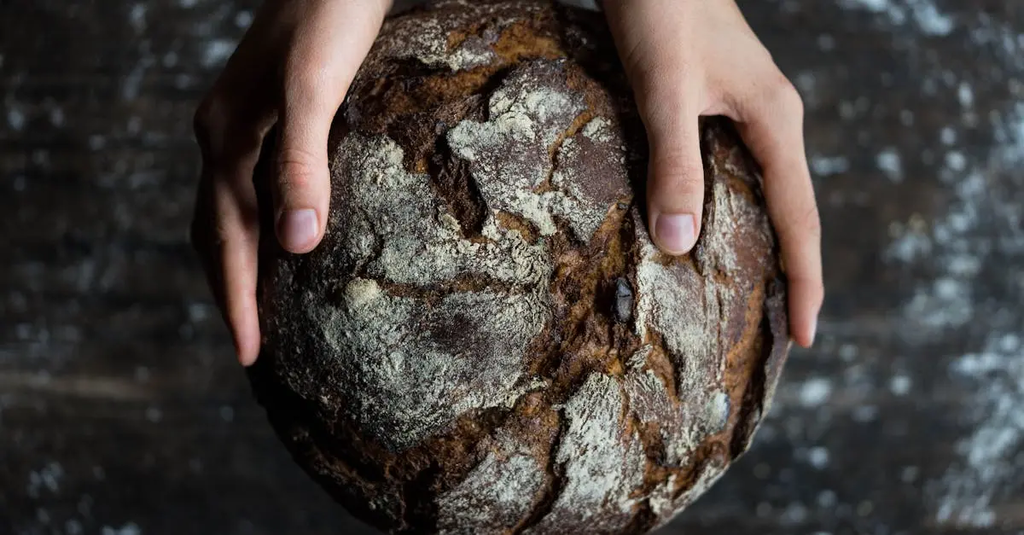
The future of American cuisine lies in a creative synthesis of diverse culinary traditions, blending global influences with local ingredients and techniques. Emphasizing regionalism, chefs celebrate the distinct flavors and foodways of different American locales, fostering a sense of place. This approach helps define a unique culinary identity, reflecting the nation’s multicultural heritage while highlighting innovation, sustainability, and a renewed appreciation for both tradition and contemporary expression.
Future of American cuisine: synthesis, regionalism, and identity
The future of American cuisine lies in a creative synthesis of diverse culinary traditions, blending global influences with local ingredients and techniques. Emphasizing regionalism, chefs celebrate the distinct flavors and foodways of different American locales, fostering a sense of place. This approach helps define a unique culinary identity, reflecting the nation’s multicultural heritage while highlighting innovation, sustainability, and a renewed appreciation for both tradition and contemporary expression.
💡 Key Takeaways
- Understand how American cuisine evolves by blending global traditions with local ingredients and techniques.
- Identify major regional foodways across the U.S. and how place shapes flavor, ingredients, and techniques.
- Explain how chefs use synthesis and storytelling to shape the future and identity of American cuisine.
- Explore challenges and opportunities in balancing regional authenticity with global influences.
❓ Frequently Asked Questions
What does synthesis mean in the future of American cuisine?
Synthesis means blending diverse culinary traditions from around the world with American ingredients and techniques to create new flavors.
How does regionalism influence American cooking's future?
Regionalism emphasizes the distinct flavors, ingredients, and foodways of different American locales, helping define place and guiding innovative menus.
Why are local ingredients and techniques important?
Using local ingredients and regional techniques connects dishes to seasonality, supports sustainability, and highlights authentic flavors tied to a place.
How is culinary identity expressed in this trend?
Identity emerges through stories, immigration histories, and the fusion of traditions that reflect diverse communities across the U.S., shaping a unique national palate.