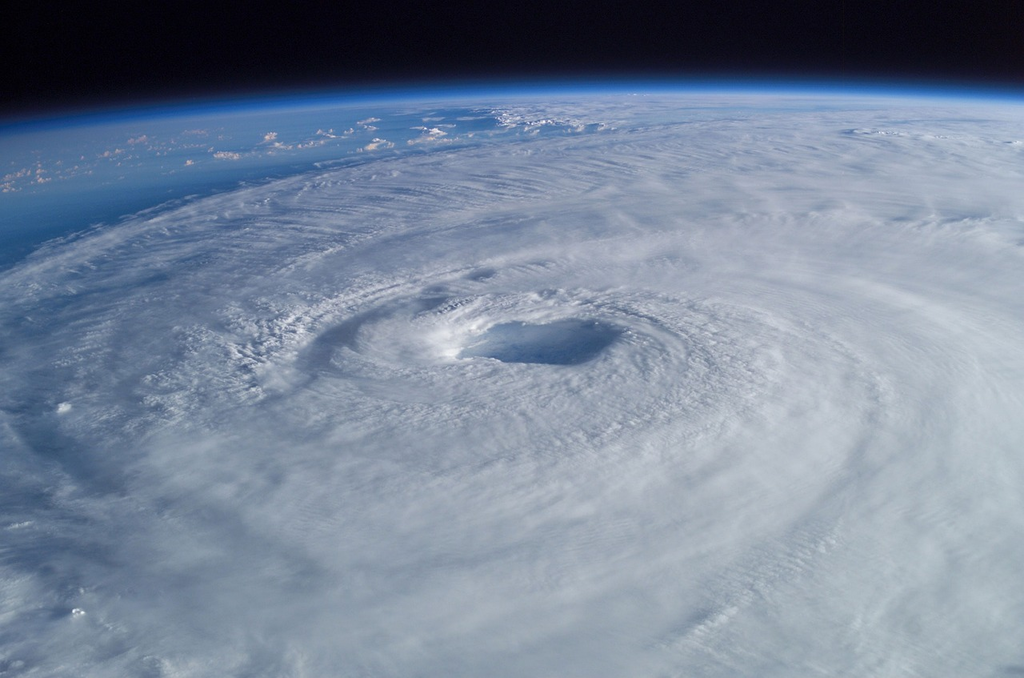
Geomagnetic storms are powerful disturbances in Earth's magnetic field caused by solar activity, such as solar flares or coronal mass ejections. These storms can create dazzling auroras but also pose serious risks by disrupting satellite operations, GPS, and power grids on Earth. Their unpredictable and intense nature highlights the immense energy released by the sun and reminds us of the vulnerability of modern technology to forces beyond our control.
Geomagnetic Storms
Geomagnetic storms are powerful disturbances in Earth's magnetic field caused by solar activity, such as solar flares or coronal mass ejections. These storms can create dazzling auroras but also pose serious risks by disrupting satellite operations, GPS, and power grids on Earth. Their unpredictable and intense nature highlights the immense energy released by the sun and reminds us of the vulnerability of modern technology to forces beyond our control.
💡 Key Takeaways
- Define geomagnetic storms and their solar-driven causes (CMEs, solar wind).
- Identify common effects on technology and Earth such as power grids, satellites, and radio/navigation.
- Learn how space weather is monitored and forecasted (Kp/Dst indices, solar wind data).
- Explore practical preparedness and mitigation strategies during geomagnetic storms.
❓ Frequently Asked Questions
What is a geomagnetic storm?
A temporary disturbance of Earth's magnetosphere caused by solar activity that injects energy into near-Earth space, altering magnetic and electric conditions.
What causes geomagnetic storms?
Strong solar wind from eruptions like coronal mass ejections or high-speed solar streams interact with Earth's magnetic field.
How can geomagnetic storms affect technology and daily life?
They can disrupt radio and GPS signals, affect satellites and power grids, and produce vivid auroras.
How are geomagnetic storms measured or forecasted?
Scientists track solar activity and use indices such as Kp and Dst, along with satellite data, to forecast storms.
What is the aurora and why does it appear during storms?
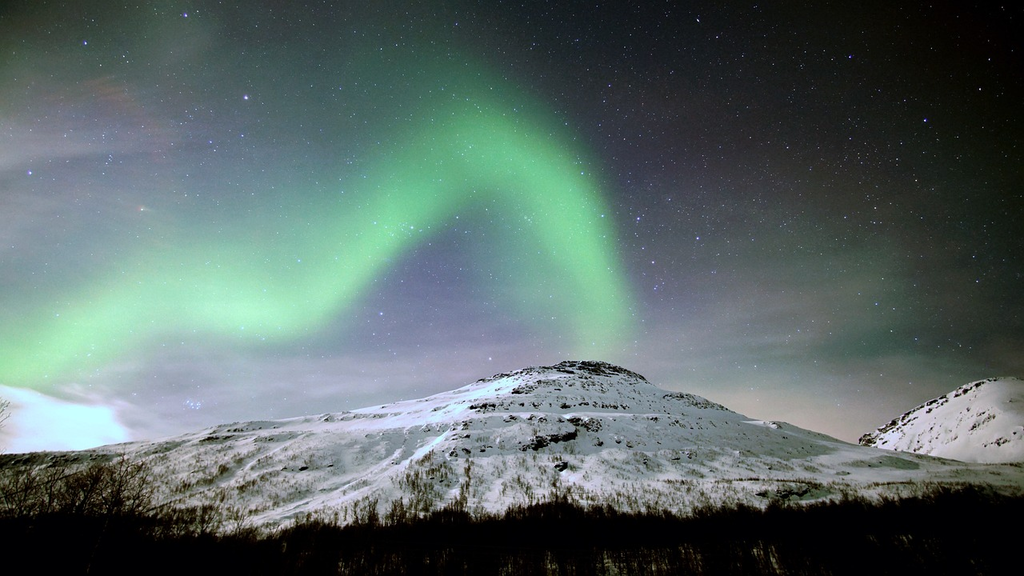
Auroras are colorful lights created when charged particles collide with the atmosphere; storms increase particle flux, making them brighter and visible farther from the poles.