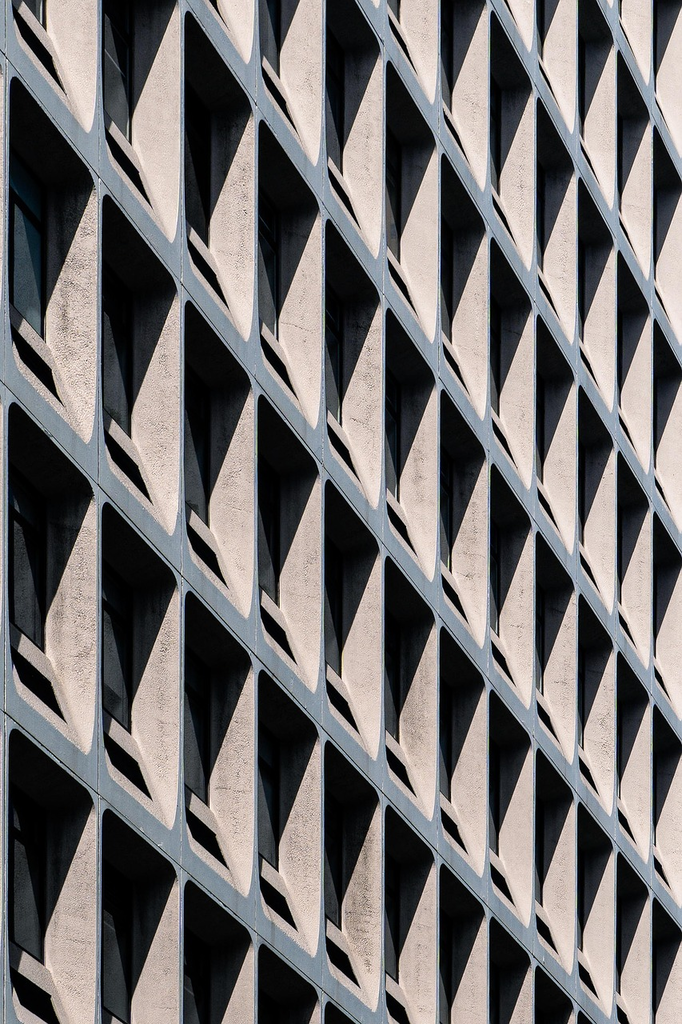
Geometric patterns are arrangements of shapes and lines that repeat in a predictable manner, often forming visually appealing designs. In puzzles for all ages, these patterns challenge players to recognize sequences, complete shapes, or find the next element in a series. They help develop spatial reasoning, logical thinking, and attention to detail, making them both entertaining and educational for children and adults alike.
Geometric Patterns
Geometric patterns are arrangements of shapes and lines that repeat in a predictable manner, often forming visually appealing designs. In puzzles for all ages, these patterns challenge players to recognize sequences, complete shapes, or find the next element in a series. They help develop spatial reasoning, logical thinking, and attention to detail, making them both entertaining and educational for children and adults alike.
💡 Key Takeaways
- Define geometric patterns and identify common shapes used in designs (triangles, squares, hexagons).
- Explore how symmetry (rotation and reflection) shapes pattern appearance.
- Understand tiling and tessellation concepts, including regular and semi-regular patterns.
- Learn simple methods to create geometric patterns using transformations like translation, rotation, and reflection.
❓ Frequently Asked Questions
What is a geometric pattern?
A design created by repeating geometric shapes (such as circles, triangles, or squares) according to a rule or motif.
What is tessellation and why is it important in geometric patterns?
Tessellation is tiling the plane with shapes without gaps or overlaps. It helps patterns cover surfaces smoothly using repeating shapes.
What does symmetry mean in geometric patterns?
Symmetry means the pattern looks the same after a transformation, such as flipping (mirror), turning (rotation), or sliding (translation).
What is a motif in a geometric pattern?
The motif is the basic unit or shape that repeats to form the overall pattern.