Georgian and Victorian dining refers to the elegant mealtime customs and settings popular during the Georgian (1714–1837) and Victorian (1837–1901) eras in Britain. Meals were formal affairs, featuring elaborate table settings, fine china, silverware, and multiple courses. Social etiquette was paramount, with strict rules for seating, conversation, and service. The dining rooms were often grand, reflecting wealth and status, and meals served as important social gatherings for the upper classes.
Georgian and Victorian dining
Georgian and Victorian dining refers to the elegant mealtime customs and settings popular during the Georgian (1714–1837) and Victorian (1837–1901) eras in Britain. Meals were formal affairs, featuring elaborate table settings, fine china, silverware, and multiple courses. Social etiquette was paramount, with strict rules for seating, conversation, and service. The dining rooms were often grand, reflecting wealth and status, and meals served as important social gatherings for the upper classes.
💡 Key Takeaways
- Compare Georgian and Victorian dining customs and how they shaped mealtime etiquette.
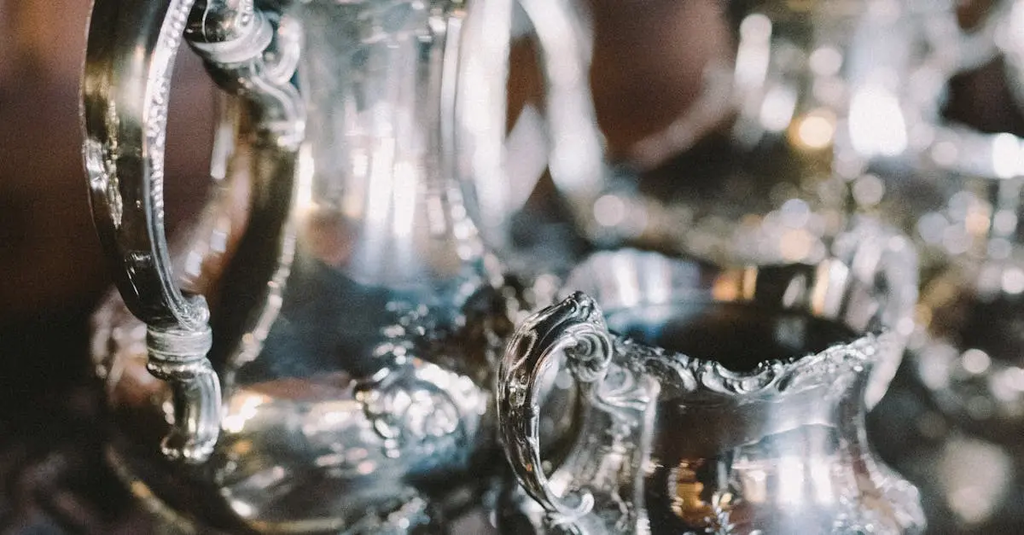
- Identify elements of a formal table setting: fine china, silverware, glassware, and courseware.
- Learn the typical sequence of courses in a Georgian/Victorian meal and example dishes.
- Understand etiquette rules and social cues at the table, including seating order and serving manners.
❓ Frequently Asked Questions
What are the hallmarks of Georgian and Victorian dining?
Formal meals with elaborate table settings, fine china and silverware, and a structured progression of courses served within a social etiquette framework.
What was a typical sequence of courses during these eras?
Meals often followed a progression: starter or soup, a fish course, a meat or roast, side dishes, and a dessert or fruit course.
How did dining etiquette shape meals in these periods?
Guests followed strict rules such as starting only when the host spoke, using cutlery from the outside in, keeping elbows off the table, and mindful seating arrangements.
What role did tableware and tea play in Georgian and Victorian dining?
Fine china and silverware signified status, while tea service, often after the main course, was a common post-dinner ritual.