Glacial retreat refers to the process where glaciers shrink and lose mass due to melting and reduced snowfall. This phenomenon, accelerated by climate change, exposes bare land and disrupts ecosystems, threatening freshwater supplies and raising sea levels. As glaciers vanish, habitats for cold-adapted species disappear, and communities relying on glacial meltwater face uncertainty. Glacial retreat starkly illustrates nature’s vulnerability to human-driven environmental changes.
Glacial Retreat
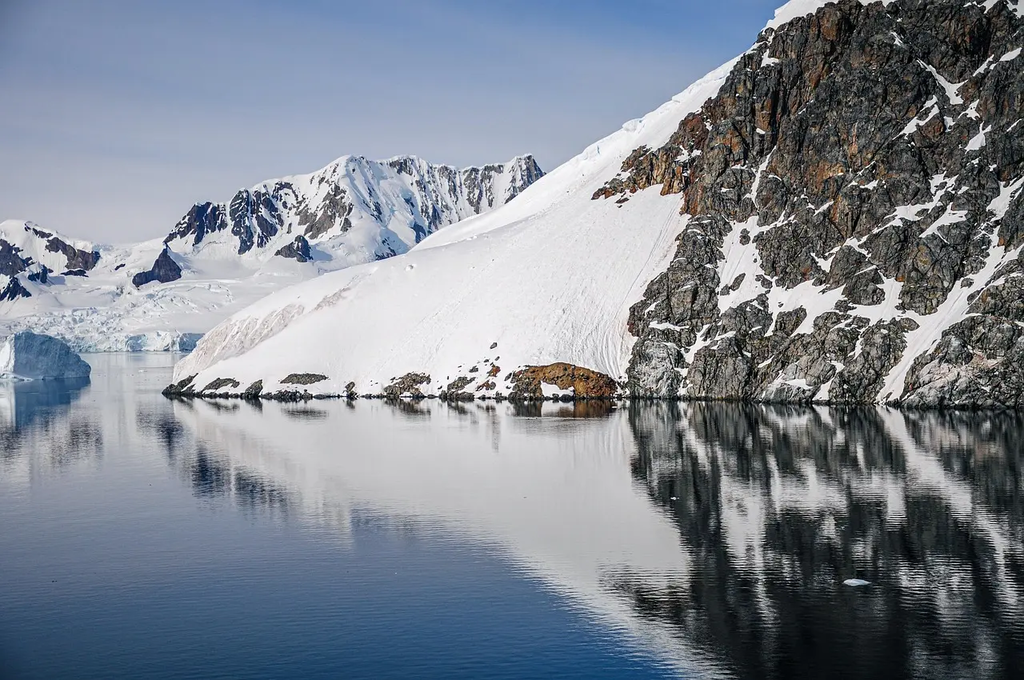
Glacial retreat refers to the process where glaciers shrink and lose mass due to melting and reduced snowfall. This phenomenon, accelerated by climate change, exposes bare land and disrupts ecosystems, threatening freshwater supplies and raising sea levels. As glaciers vanish, habitats for cold-adapted species disappear, and communities relying on glacial meltwater face uncertainty. Glacial retreat starkly illustrates nature’s vulnerability to human-driven environmental changes.
💡 Key Takeaways
- Define glacial retreat and how it differs from glacier advance.
- Identify the main causes of glaciers shrinking, including warming temperatures and changes in precipitation.
- Explain the impacts of glacier retreat on downstream water resources, sea level, and ecosystems.
- Describe common methods scientists use to monitor glacial retreat, such as satellite imagery and mass-balance measurements.
❓ Frequently Asked Questions
What is glacial retreat?
Glacial retreat is when a glacier shrinks and its terminus moves upslope, usually because more ice is melting or calving away than is added by snowfall and compaction.
What causes glaciers to retreat?
A negative mass balance: higher temperatures, reduced snowfall, and increased melting or calving outweigh ice accumulation.
How do scientists measure glacial retreat?
By tracking changes in the glacier’s terminus position, length, and area over time using maps, aerial photos, and satellite imagery, often with field measurements.
Why is glacial retreat important to understand?
It signals climate change, contributes to sea level rise, affects freshwater resources and ecosystems, and reshapes landscapes with features like moraines and new lakes.