Global fashion supply chains and outsourcing refer to the interconnected network of manufacturers, suppliers, and distributors across different countries that produce and deliver clothing and accessories. Fashion brands often outsource production to countries with lower labor and material costs, enabling faster, cost-effective manufacturing. This system allows for rapid response to trends but can raise concerns about labor practices, environmental impact, and the complexity of managing quality and logistics across diverse regions.
Global Fashion Supply Chains and Outsourcing
Global fashion supply chains and outsourcing refer to the interconnected network of manufacturers, suppliers, and distributors across different countries that produce and deliver clothing and accessories. Fashion brands often outsource production to countries with lower labor and material costs, enabling faster, cost-effective manufacturing. This system allows for rapid response to trends but can raise concerns about labor practices, environmental impact, and the complexity of managing quality and logistics across diverse regions.
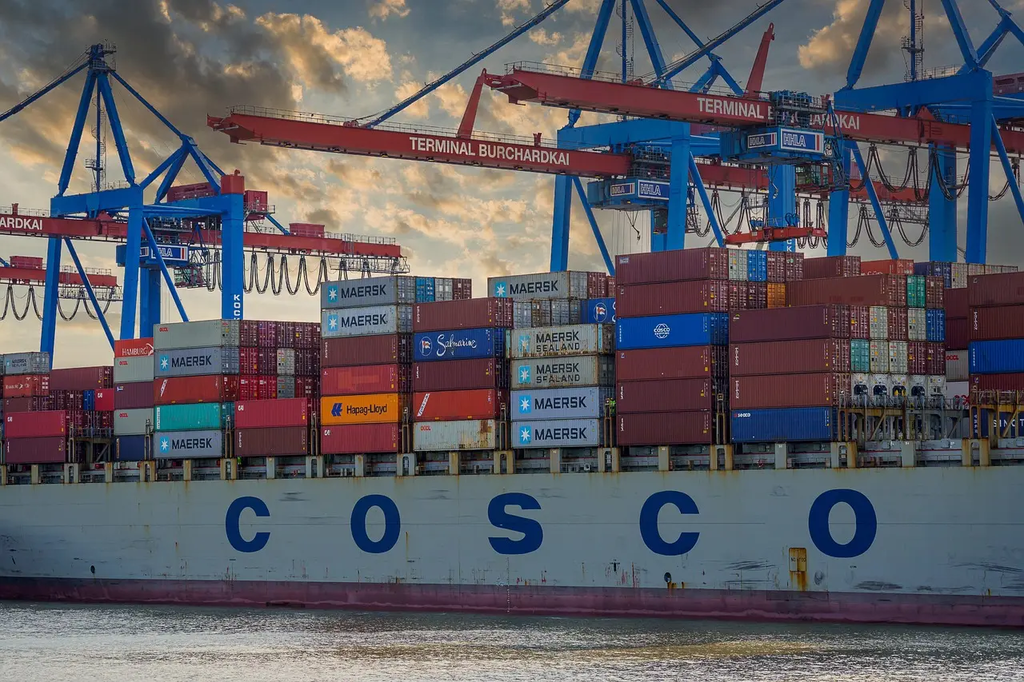
💡 Key Takeaways
- Understand how global fashion supply chains connect designers, manufacturers, suppliers, and distributors across multiple countries.
- Learn why brands outsource production to lower-cost regions and the trade-offs with lead times, quality control, and labor practices.
- Identify the typical stages of a fashion supply chain—from sourcing materials to manufacturing, distribution, and retail delivery—and how information flows between partners.
- Explore the social, environmental, and regulatory implications of outsourcing in fashion, including labor standards and sustainability initiatives.
❓ Frequently Asked Questions
What is a global fashion supply chain?
The international network of designers, mills, factories, logistics providers, and retailers that turn ideas into clothing and accessories and move them from raw materials to customers across borders.
What does outsourcing mean in fashion manufacturing, and how is it different from offshoring?
Outsourcing is contracting production to external firms rather than making it in-house; offshoring is relocating production to another country. In fashion, outsourcing often involves overseas factories, while offshoring specifically refers to the location change.
Why do brands outsource production to other countries?
To lower costs, access specialized skills and materials, scale production quickly, and reach new markets, while diversifying suppliers and reducing time to market.
What are common risks and ethical concerns in global fashion supply chains?
Risks include disruptions, delays, quality issues, and regulatory compliance. Ethical concerns cover worker safety, fair wages, working hours, potential child labor, and environmental impact; brands use audits and certifications to address these.