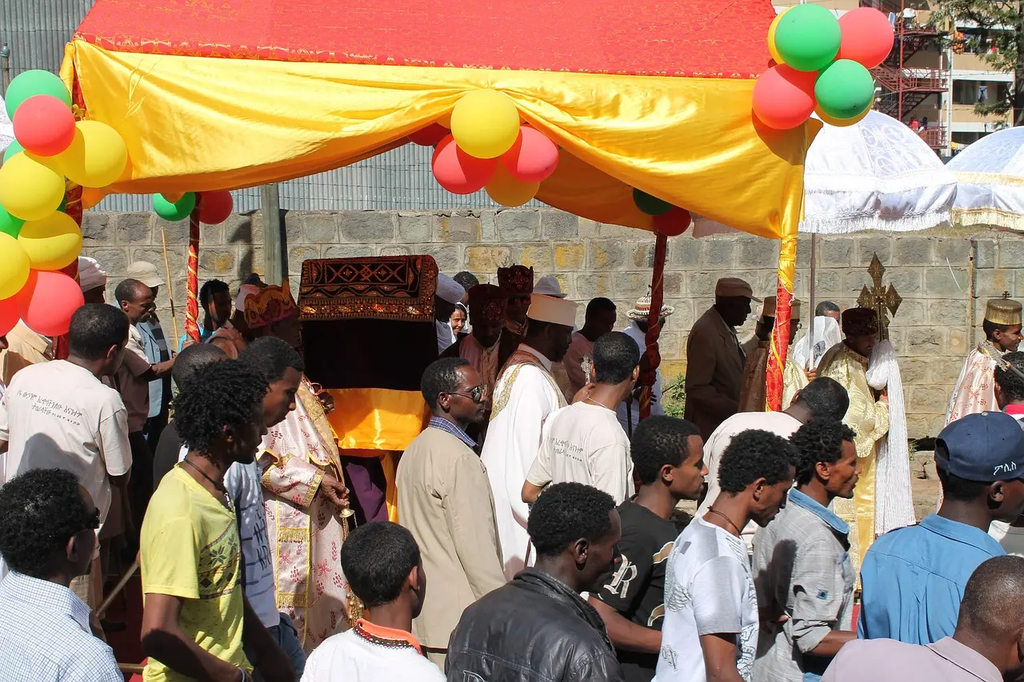
Global Standards for Safe Gatherings refer to internationally recognized guidelines and protocols designed to ensure the safety and well-being of participants at events or assemblies. These standards address aspects such as crowd management, emergency preparedness, sanitation, health screening, and security measures. By adhering to these guidelines, organizers can minimize risks, prevent accidents or the spread of diseases, and foster a secure environment, regardless of the event’s size or location.
Global Standards for Safe Gatherings
Global Standards for Safe Gatherings refer to internationally recognized guidelines and protocols designed to ensure the safety and well-being of participants at events or assemblies. These standards address aspects such as crowd management, emergency preparedness, sanitation, health screening, and security measures. By adhering to these guidelines, organizers can minimize risks, prevent accidents or the spread of diseases, and foster a secure environment, regardless of the event’s size or location.

💡 Key Takeaways
- Identify the core elements of international standards for safe gatherings (crowd management, emergency preparedness, sanitation, and health screening).
- Explain how risk assessment and incident command systems support rapid, coordinated responses during mass gatherings.
- Recognize best practices for venue design, crowd flow, sanitation facilities, and accessibility to ensure safe participant experiences.
- Describe how health screening, communication, and coordination with authorities enhance safety before, during, and after events.
❓ Frequently Asked Questions
What are Global Standards for Safe Gatherings?
International guidelines outlining best practices to keep attendees safe at events, covering crowd management, emergency planning, sanitation, health screening, and communication.
What aspects do these standards address besides crowd control?
Emergency preparedness, sanitation and hygiene, health screening where appropriate, safe food and water handling, accessibility, and risk communication.
How do health screening and sanitation contribute to safer events?
They help reduce disease transmission and ensure hygienic conditions, including entry checks, hand-washing facilities, cleaning routines, and proper waste management.
Who creates and enforces these standards, and who applies them at events?
International standards bodies and national authorities develop guidelines; organizers implement them through risk assessments, staff training, coordination with emergency services, and audits.
How can organizers apply these standards to festivals and celebrations?
Perform risk assessments, plan crowd flow and emergency exits, provide sanitation facilities, establish health screening if needed, train staff, communicate clearly, and review outcomes after the event.