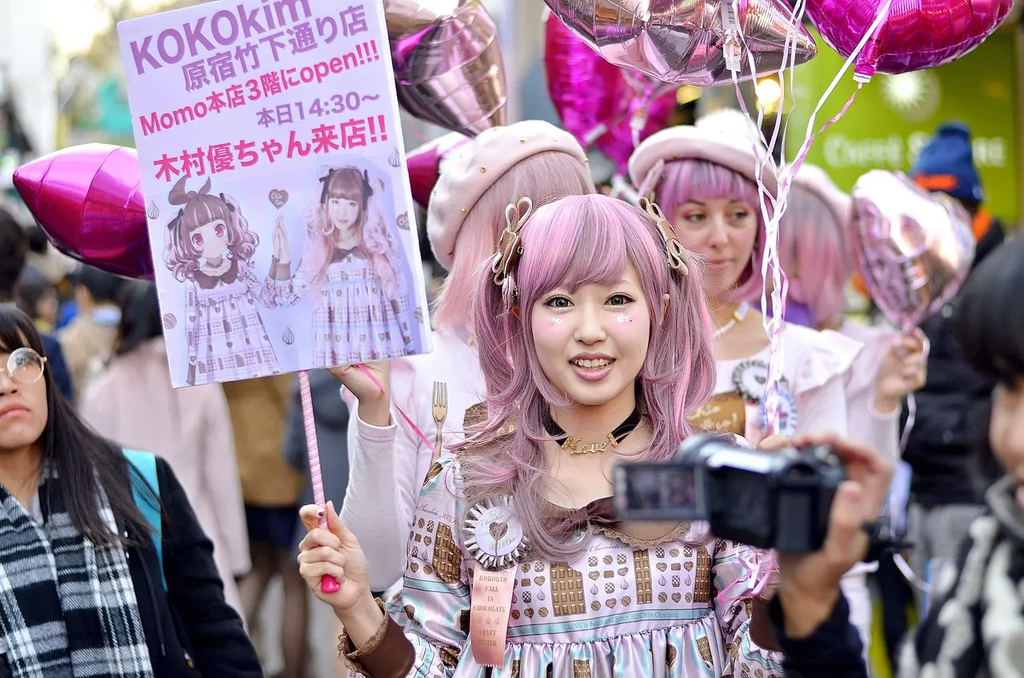
Global telenovelas, anime, and K-drama influence refers to the widespread impact these television genres have on audiences worldwide. Telenovelas from Latin America, Japanese anime, and Korean dramas have transcended cultural boundaries, shaping fashion, language, storytelling styles, and even social attitudes. Their compelling narratives and relatable characters foster cross-cultural understanding, spark global fan communities, and drive trends in entertainment, making them significant forces in shaping contemporary popular culture.
Global Telenovelas, Anime, and K-Drama Influence
Global telenovelas, anime, and K-drama influence refers to the widespread impact these television genres have on audiences worldwide. Telenovelas from Latin America, Japanese anime, and Korean dramas have transcended cultural boundaries, shaping fashion, language, storytelling styles, and even social attitudes. Their compelling narratives and relatable characters foster cross-cultural understanding, spark global fan communities, and drive trends in entertainment, making them significant forces in shaping contemporary popular culture.

💡 Key Takeaways
- Trace how Latin American telenovelas, Japanese anime, and Korean dramas shaped global fashion, language, and storytelling aesthetics across decades.
- Compare decade-by-decade shifts in narrative structure, pacing, and visual style among these genres and their influence on worldwide TV.
- Explain how streaming platforms, subtitles/dubs, and fan communities amplified cross-cultural reach for these genres.
- Analyze how these genres influenced other countries' productions through adaptation, genre blending, and stylistic borrowings.
❓ Frequently Asked Questions
What does 'global influence' mean in this article?
It refers to how telenovelas, anime, and K-dramas affect audiences around the world—shaping fashion, language, storytelling styles, and social norms beyond their country of origin.
What are telenovelas, anime, and K-dramas, and what sets them apart?
Telenovelas are Latin American serialized dramas known for melodrama; anime is Japanese animation across many genres; K-dramas are Korean TV dramas noted for polished production and fast-paced plots.
How have these genres influenced global storytelling and media formats?
They popularized serialized narratives, cliffhangers, and character-driven arcs, with cross-cultural tropes that many creators adapt across regions.
In what ways have these genres impacted fashion, language, and social norms worldwide?
Iconic outfits and trends from on-screen characters inspire fashion; phrases and loanwords spread; portrayals of relationships, work culture, and social issues influence viewers' attitudes.