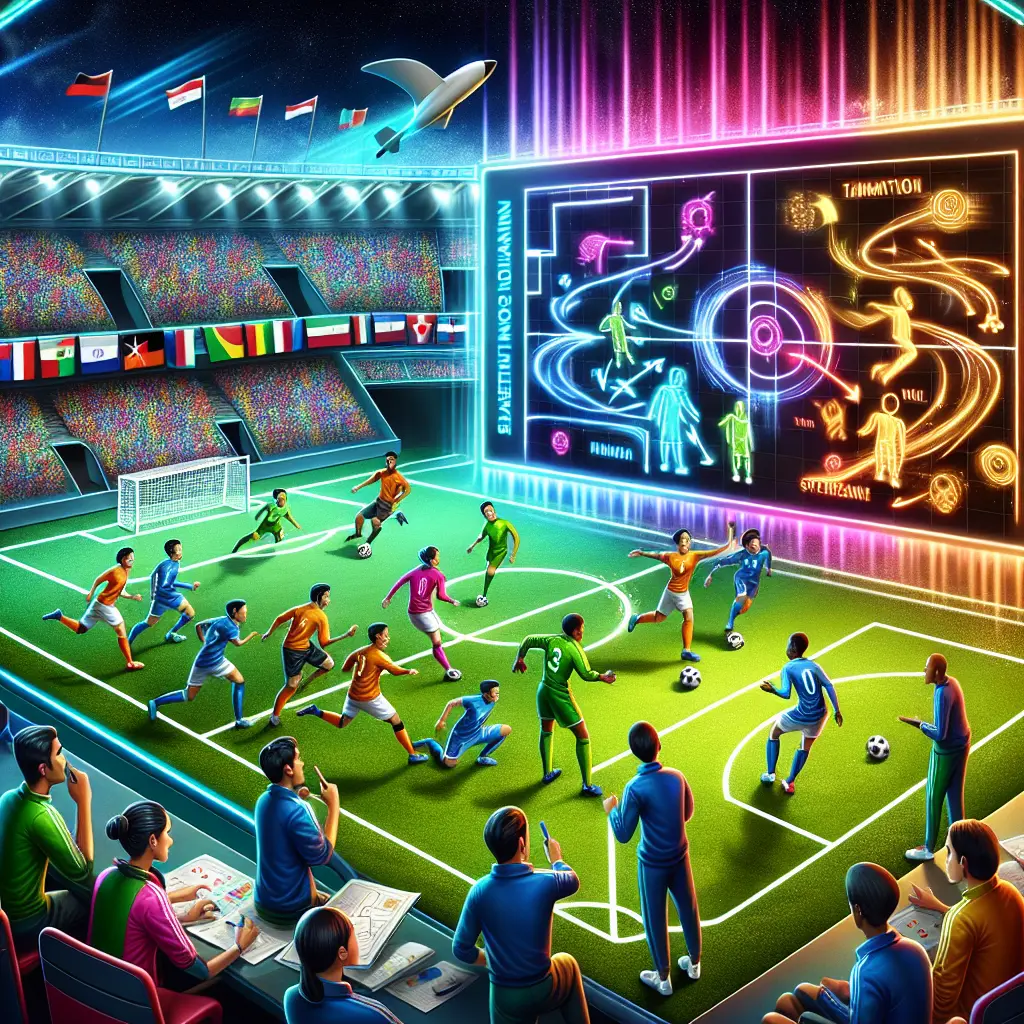
The globalization of football and politics refers to how the sport has transcended national boundaries, influencing and being influenced by international political dynamics. Football serves as a tool for diplomacy, national identity, and soft power, with governments leveraging the game for political gain or to foster unity. Major tournaments bring countries together, but also highlight political tensions, showcasing how football and politics are increasingly interconnected on the global stage.
Globalization of Football & Politics
The globalization of football and politics refers to how the sport has transcended national boundaries, influencing and being influenced by international political dynamics. Football serves as a tool for diplomacy, national identity, and soft power, with governments leveraging the game for political gain or to foster unity. Major tournaments bring countries together, but also highlight political tensions, showcasing how football and politics are increasingly interconnected on the global stage.

💡 Key Takeaways
- Understand how football serves as a bridge for diplomacy and international dialogue.
- See how national identity is expressed through football, flags, kits, and big tournaments.
- Explore how governments use football as soft power to influence publics and shape international image.
- Recognize how global events, governance, and politics intersect in football on the world stage.
❓ Frequently Asked Questions
What does globalization mean in football?
Globalization in football refers to the sport crossing borders through international leagues, transfers, fans worldwide, and global tournaments that connect players, clubs, and nations.
How can football act as a diplomacy tool?
Football can aid diplomacy when governments and organizations use matches, hosting duties, and exchanges to build ties, ease tensions, and project a positive national image.
What is soft power, and how does football demonstrate it?
Soft power is a country’s ability to attract and influence others through culture and values. Football shows this by shaping perceptions and prestige without coercion.
In what ways does football shape national identity and politics?
National teams, symbols, and tournament success rally citizens, reinforce shared culture, and can influence political narratives or national legitimacy.