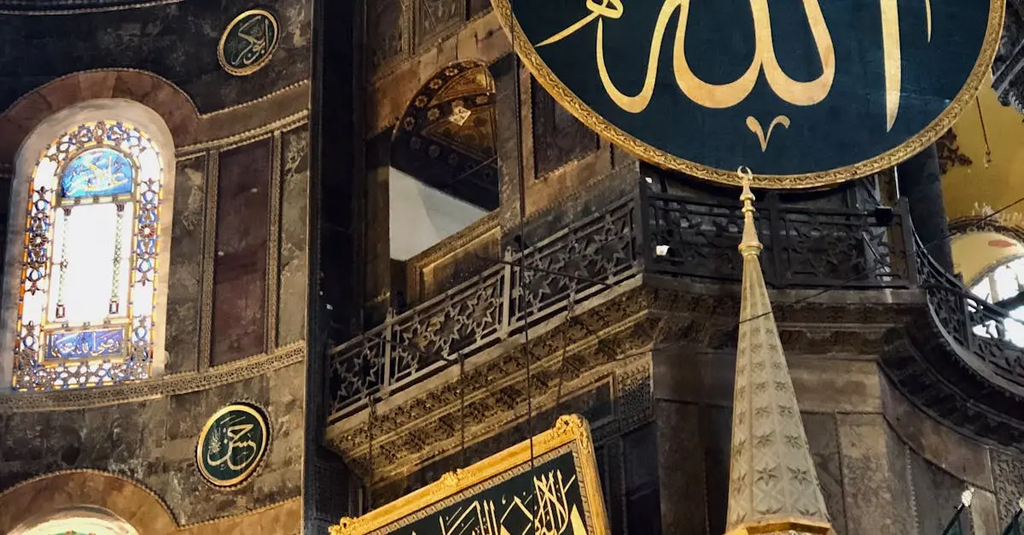
Gothic cathedrals are grand, medieval churches characterized by soaring spires, pointed arches, ribbed vaults, and flying buttresses. Built mainly between the 12th and 16th centuries in Europe, they feature large stained-glass windows that fill interiors with colorful light. These structures showcase intricate stone carvings and sculptures, blending architectural innovation with religious symbolism. Gothic cathedrals remain iconic for their awe-inspiring scale, vertical emphasis, and elaborate decorative details.
Gothic Cathedrals
Gothic cathedrals are grand, medieval churches characterized by soaring spires, pointed arches, ribbed vaults, and flying buttresses. Built mainly between the 12th and 16th centuries in Europe, they feature large stained-glass windows that fill interiors with colorful light. These structures showcase intricate stone carvings and sculptures, blending architectural innovation with religious symbolism. Gothic cathedrals remain iconic for their awe-inspiring scale, vertical emphasis, and elaborate decorative details.
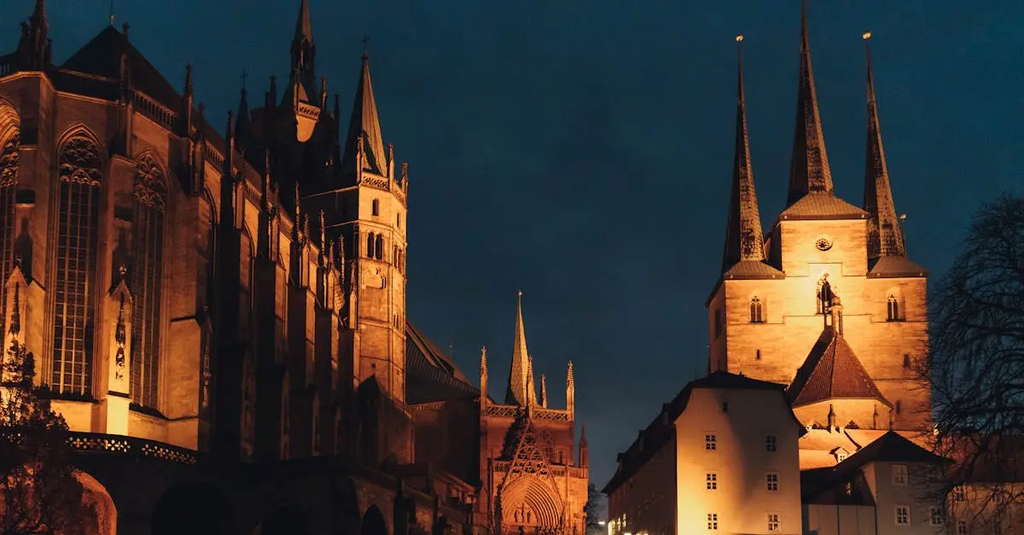
💡 Key Takeaways
- Identify core Gothic innovations (pointed arches, ribbed vaults, and flying buttresses) and how they enable greater height and more luminous interiors.
- Understand how large stained-glass windows and tracery fill interiors with colored light and convey narratives and symbolism.
- Place Gothic cathedrals in their historical context (roughly 12th–16th centuries in Europe) and consider religion, patronage, and urban growth.
- Compare Gothic architecture with earlier Romanesque styles in terms of height, light, verticality, and decorative programs.
❓ Frequently Asked Questions
What defines Gothic cathedrals?
Medieval European churches marked by pointed arches, ribbed vaults, flying buttresses, tall vertical lines, and large stained-glass windows that flood interiors with light.
What is a flying buttress and what does it do?
An external arch that transfers lateral forces from the walls to outside supports, allowing higher ceilings and bigger windows.
Why are stained-glass windows important in Gothic cathedrals?
They fill interiors with colored light and often depict biblical scenes, saints, and narratives to educate and inspire worshipers.
How do Gothic cathedrals differ from Romanesque architecture?
Gothic buildings use pointed arches, ribbed vaults, and flying buttresses with large windows and bright interiors, while Romanesque structures have rounded arches, thick walls, small windows, and heavier mass.
When and where did Gothic cathedrals develop?
They emerged in Europe in the 12th century, especially in France, and spread to other regions through the 16th century.