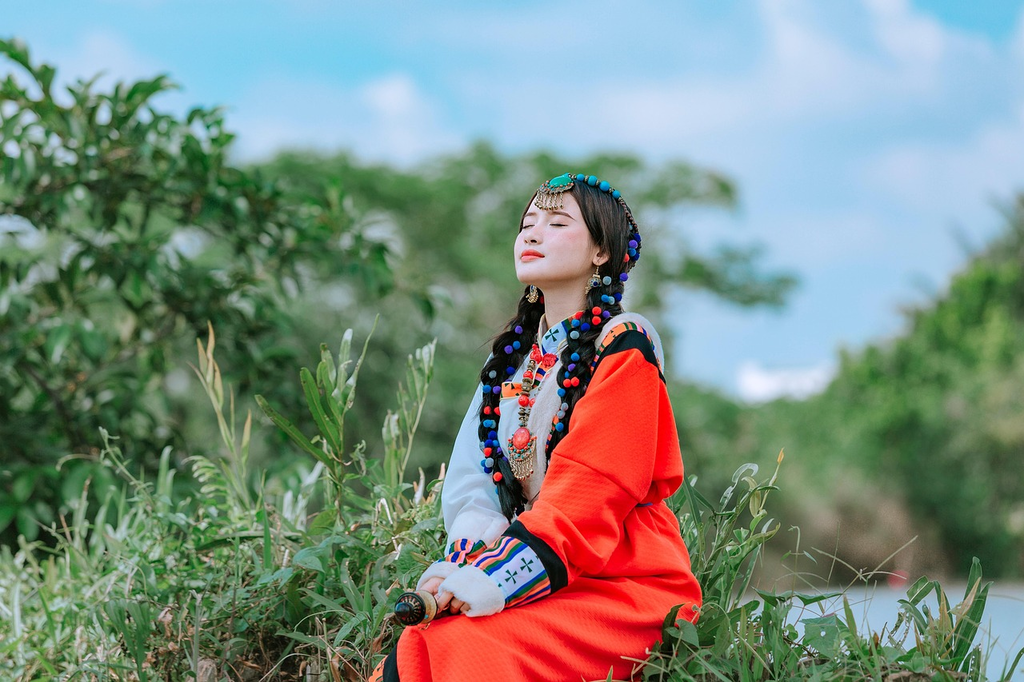
Green in symbolic language often represents growth, renewal, and harmony. Associated with nature, it signifies life, balance, and hope. In color vibes, green conveys calmness, healing, and new beginnings, acting as a soothing counterpart to the energy and passion of red. Together, red and green create a dynamic contrast: red stirs excitement, while green maintains tranquility, highlighting the balance between action and peace in symbolic interpretation.
Green in Symbolic Language
Green in symbolic language often represents growth, renewal, and harmony. Associated with nature, it signifies life, balance, and hope. In color vibes, green conveys calmness, healing, and new beginnings, acting as a soothing counterpart to the energy and passion of red. Together, red and green create a dynamic contrast: red stirs excitement, while green maintains tranquility, highlighting the balance between action and peace in symbolic interpretation.

💡 Key Takeaways
- Learn how the color green functions as a symbol across different contexts and cultures
- Understand common meanings of green in language, branding, and everyday communication
- Explore how symbolism can change depending on situation, audience, and medium
- Identify examples of green-related symbolism in signs, media, and popular references
❓ Frequently Asked Questions
What does “green” symbolize in language and communication?
In symbolic language, green commonly represents growth, renewal, safety, nature, and sometimes inexperience or envy—depending on the context.
How is the meaning of green different across cultures?
The symbolism of green can vary by region and tradition—for example, it may be tied to nature and fertility in some places, while in others it can have religious or political meanings.
What are some common symbols or contexts where green appears?
Green is often used in traffic lights (go), brand logos for eco-friendly ideas, weather alerts, and visual themes like “green screens” in media.
Can green mean both positive and negative things?
Yes. Green is usually positive (growth, health, renewal) but can also be negative in phrases like “green with envy,” where it signals jealousy.
How can I identify the intended meaning of green in a quiz question?
Look for surrounding clues—words, phrases, or situations that indicate whether the quiz is referring to nature/growth, safety/permissions, or emotions like envy.