Hacker, cracker, and maker communities are groups centered around technology and innovation. Hackers focus on creative problem-solving and exploring systems, often with positive intentions. Crackers, in contrast, break into systems or software for malicious purposes, such as stealing data or bypassing protections. Maker communities emphasize hands-on creation, building, and modifying hardware or software projects, fostering collaboration and learning. Together, these communities shape tech culture through exploration, skill-sharing, and invention.
Hacker, Cracker, and Maker Communities
Hacker, cracker, and maker communities are groups centered around technology and innovation. Hackers focus on creative problem-solving and exploring systems, often with positive intentions. Crackers, in contrast, break into systems or software for malicious purposes, such as stealing data or bypassing protections. Maker communities emphasize hands-on creation, building, and modifying hardware or software projects, fostering collaboration and learning. Together, these communities shape tech culture through exploration, skill-sharing, and invention.
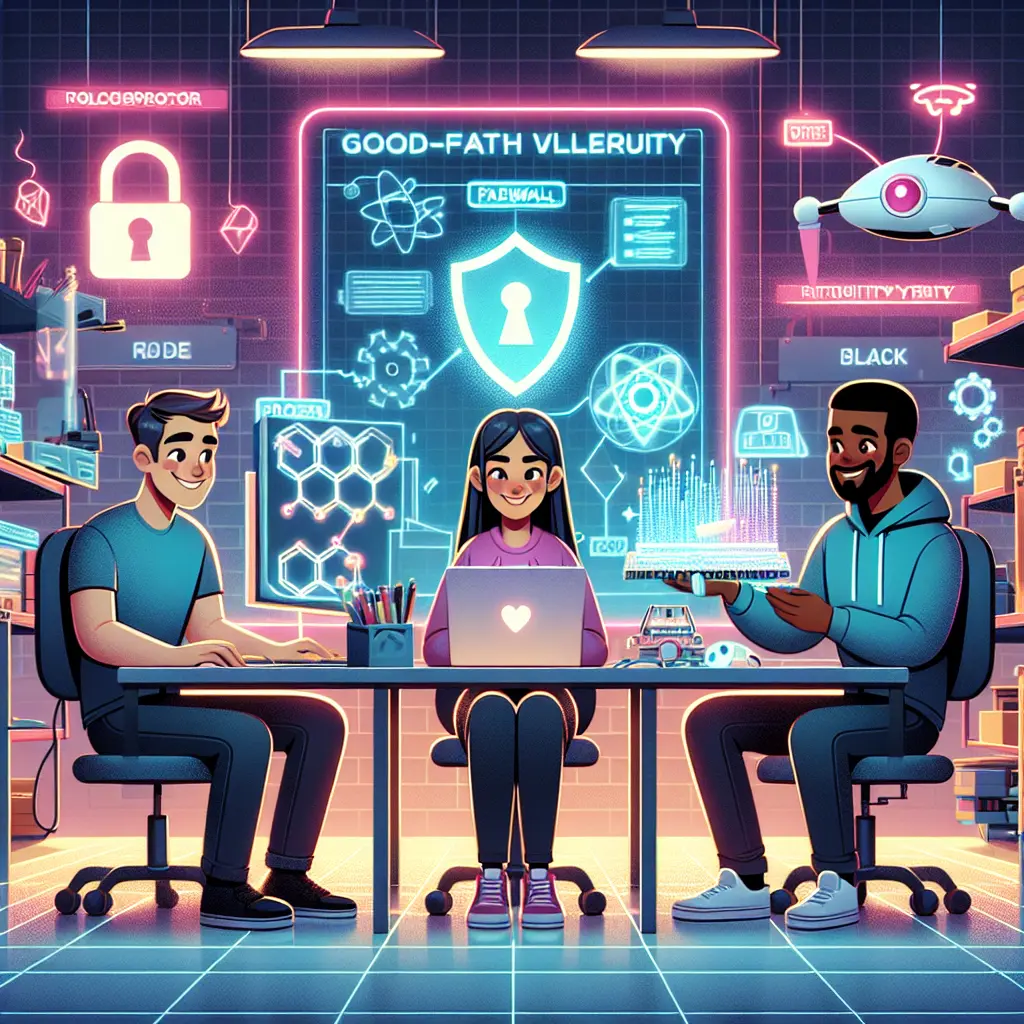
💡 Key Takeaways
- Differentiate hackers, crackers, and makers: their aims, methods, and community cultures.
- Trace decade-long trends, milestones, and influential projects that defined these groups.
- Understand ethical, legal, and safety considerations, including responsible disclosure and cybersecurity basics.
- Explore how maker culture and open-source collaboration have driven accessible innovation and hands-on learning.
❓ Frequently Asked Questions
What is the difference between a hacker, a cracker, and a maker?
Hackers are problem-solvers who explore and improve systems; crackers break into systems or bypass protections (often illicitly); makers are hands-on builders who prototype and tinker to create new devices or projects.
What activities are typical in hacker communities?
Creative problem-solving, security research, coding, sharing open-source projects, participating in competitions, and learning through hands-on experimentation.
What distinguishes ethical hacking from cracking?
Ethical hacking is authorized testing to find and fix vulnerabilities; cracking involves unauthorized access or damage and is illegal in many jurisdictions.
How do maker communities contribute to technology and innovation?
Makers prototype with hardware and tools, share designs openly, collaborate on projects, and drive practical invention through hands-on learning.