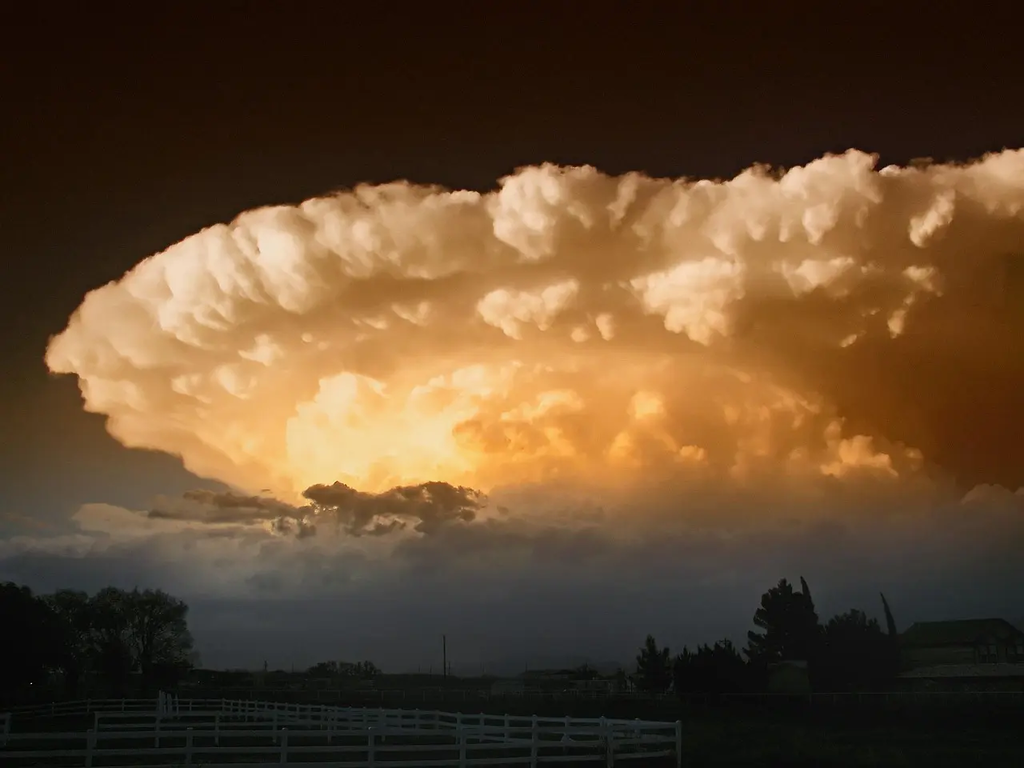
Hailstorms are intense weather events where balls or irregular lumps of ice, known as hailstones, fall from the sky. They can occur suddenly during severe thunderstorms, causing significant damage to crops, vehicles, roofs, and windows. The loud, pounding noise and the risk of injury make hailstorms a frightening display of nature’s power. Their unpredictability and destructive potential highlight the more dangerous and awe-inspiring aspects of the natural world.
Hailstorms
Hailstorms are intense weather events where balls or irregular lumps of ice, known as hailstones, fall from the sky. They can occur suddenly during severe thunderstorms, causing significant damage to crops, vehicles, roofs, and windows. The loud, pounding noise and the risk of injury make hailstorms a frightening display of nature’s power. Their unpredictability and destructive potential highlight the more dangerous and awe-inspiring aspects of the natural world.
💡 Key Takeaways
- Understand what hail is and how it forms in strong thunderstorms.
- Identify atmospheric conditions that lead to hail, such as strong updrafts and supercooled water droplets.
- Recognize hailstorm indicators and basic monitoring methods (radar, weather alerts).
- Know safety and protection steps during hailstorms (seek shelter, protect property, move vehicles indoors).
❓ Frequently Asked Questions
What is a hailstorm?
A hailstorm is a weather event where hailstones—solid ice balls—fall from a strong thunderstorm (cumulonimbus clouds) as updrafts carry raindrops into freezing zones.
How do hailstones form?
Updrafts in severe storms lift droplets into freezing parts of the cloud, where they freeze and collide, creating layers of ice. When the hailstone becomes too heavy, it falls to the ground.
What safety steps should you take during a hailstorm?
Seek sturdy indoor shelter, protect your head, stay away from windows, and avoid driving if possible. If in a vehicle, pull over safely with windows up and protect yourself.
How can you tell if a storm might produce hail?
Severe thunderstorms with strong updrafts are a hint. Look for weather warnings, thick dark clouds, loud thunder, and radar indications of intense precipitation or hail cores.