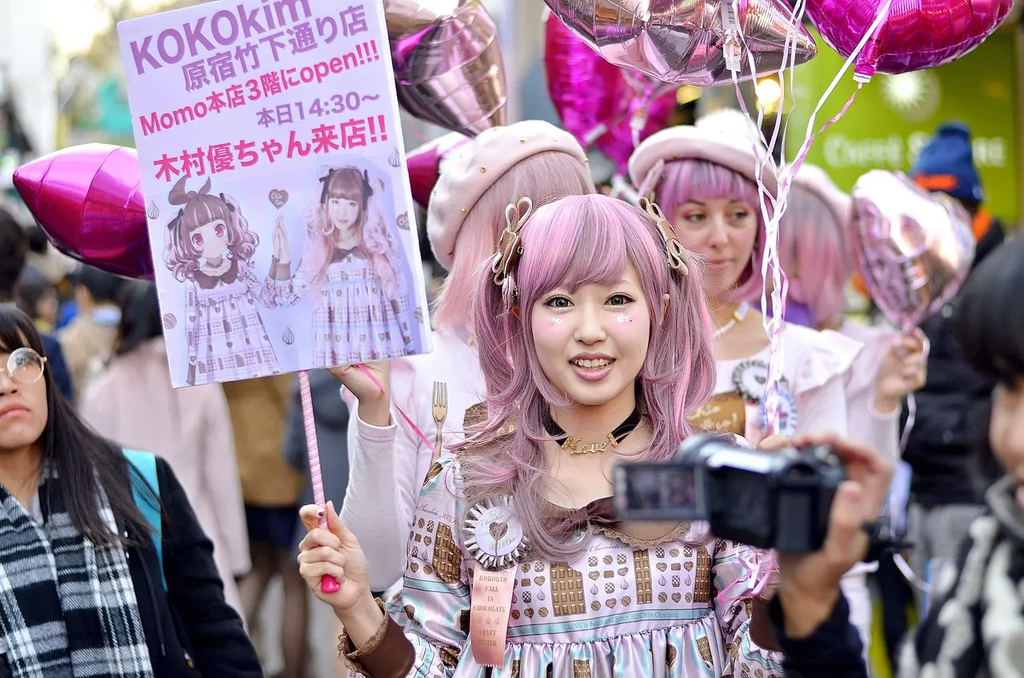
Harajuku, Decora, and Lolita street styles are vibrant Japanese fashion trends known for their bold self-expression. Harajuku refers broadly to the eclectic, colorful, and creative outfits seen in Tokyo’s Harajuku district. Decora is characterized by layering bright clothing and accessorizing with an abundance of playful, childlike ornaments. Lolita style draws inspiration from Victorian and Rococo fashion, featuring frilly dresses, petticoats, and elegant accessories, creating a doll-like appearance.
Harajuku, Decora, and Lolita Street Styles
Harajuku, Decora, and Lolita street styles are vibrant Japanese fashion trends known for their bold self-expression. Harajuku refers broadly to the eclectic, colorful, and creative outfits seen in Tokyo’s Harajuku district. Decora is characterized by layering bright clothing and accessorizing with an abundance of playful, childlike ornaments. Lolita style draws inspiration from Victorian and Rococo fashion, featuring frilly dresses, petticoats, and elegant accessories, creating a doll-like appearance.
💡 Key Takeaways
- Identify the defining features of Harajuku street fashion and how it showcases eclectic, colorful self-expression in Tokyo.
- Explain Decora's signature layering of bright clothing and plentiful accessories, and what makes it visually distinctive.
- Describe the Lolita fashion spectrum (Sweet, Gothic, Classic) including common silhouettes, modesty norms, and overall aesthetic.
- Explore how these styles reflect Japanese youth culture, DIY influences, and practical tips for respectfully recreating elements on a budget.
❓ Frequently Asked Questions
What is Harajuku style?
Harajuku refers to the eclectic fashion seen in Tokyo’s Harajuku district—a broad umbrella for bold, creative outfits that emphasize self-expression and mix many influences rather than one fixed look.
How does Decora fashion differ from other street styles?
Decora emphasizes layering bright clothing and adding a lot of colorful accessories to create a playful, maximalist look.
What characterizes Lolita fashion and its substyles?
Lolita fashion aims for a doll-like, modest silhouette with knee-length dresses or skirts, petticoats, lace, and ribbons. Substyles include Gothic Lolita, Sweet Lolita, and Classic Lolita.
How can you tell the styles apart when answering a quiz?
Harajuku is an umbrella term for diverse, creative looks; Decora is color-saturated with many accessories; Lolita centers on refined, modest silhouettes with petticoats and lace.