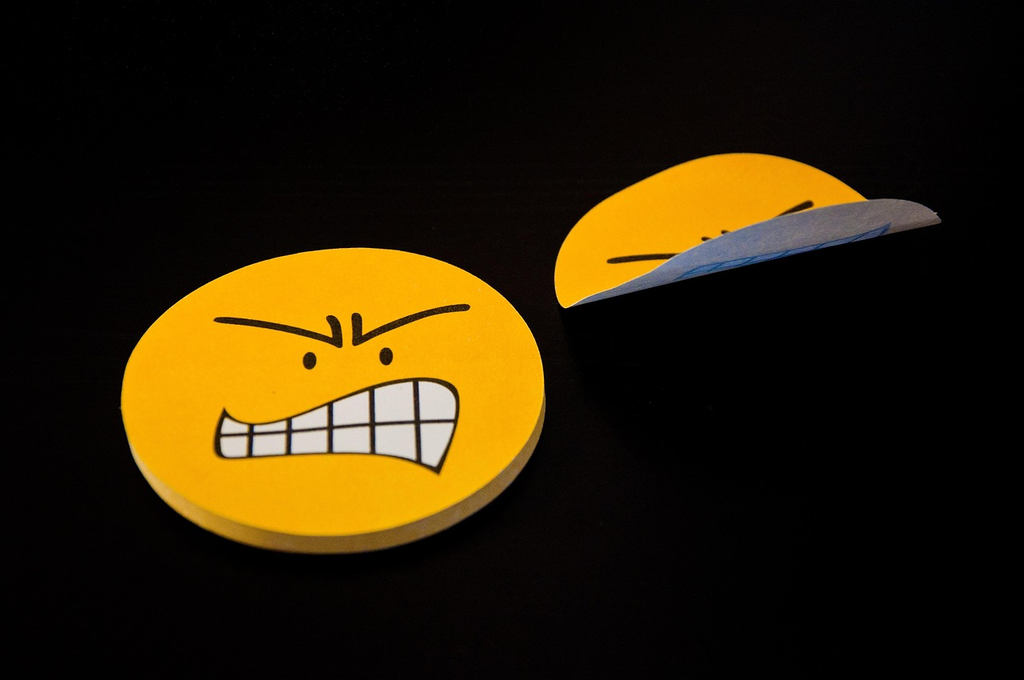
Heart emojis, along with smile and tear emojis, convey emotions universally but their meanings can vary across cultures. While a red heart often symbolizes love or affection in Western contexts, in some Asian cultures it may represent friendship or gratitude. Smiling and crying emojis similarly reflect happiness or sadness, yet their use may differ based on cultural norms regarding emotional expression. Thus, these emojis bridge feelings but are interpreted through unique cultural lenses.
Heart Emojis Across Cultures
Heart emojis, along with smile and tear emojis, convey emotions universally but their meanings can vary across cultures. While a red heart often symbolizes love or affection in Western contexts, in some Asian cultures it may represent friendship or gratitude. Smiling and crying emojis similarly reflect happiness or sadness, yet their use may differ based on cultural norms regarding emotional expression. Thus, these emojis bridge feelings but are interpreted through unique cultural lenses.

💡 Key Takeaways
- Understand how heart emojis signal affection, appreciation, and support across cultures.
- Identify how meanings vary by color, variant, and platform in different regions.
- Learn the origins of the heart symbol and how emoji design shapes interpretation.
- Get practical tips for using heart emojis responsibly in cross-cultural communication, dating, and professional contexts.
❓ Frequently Asked Questions
What does the red heart emoji typically signify?
In most Western contexts, a red heart signals romantic love or deep affection; in casual chat it can also express warmth or gratitude depending on the relationship and text.
Do heart emoji colors change their meaning?
Yes. Colors add nuance: red = love, pink = affection, yellow = friendship/happiness, blue = trust/loyalty, green = growth/health, purple = care or devotion, brown = warmth, black = sorrow or edgy humor. Meanings vary by culture and person.
Do emoji appearances differ across platforms, and does that affect meaning?
Yes. Apple, Google, and other platforms render hearts differently, which can shift tone. Rely on surrounding text and context, not just the image.
How should you interpret a heart emoji when the context is unclear?
Consider who sent it, their relationship to you, and the conversation topic. When in doubt, ask for clarification or respond with neutral wording to avoid misinterpretation.