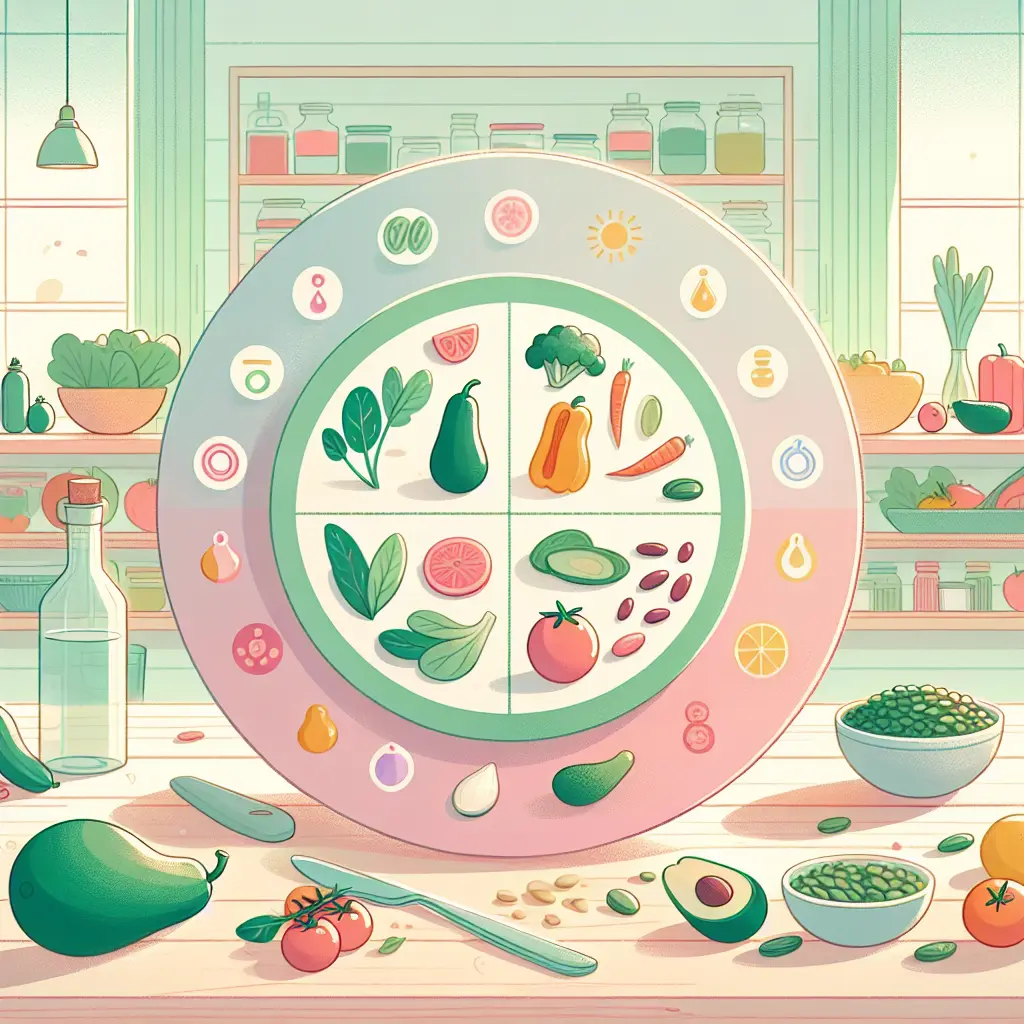
Heart-healthy eating patterns focus on consuming foods that support cardiovascular health. They emphasize fruits, vegetables, whole grains, lean proteins like fish and poultry, nuts, and healthy fats such as olive oil. These patterns limit saturated fats, trans fats, sodium, added sugars, and processed foods. By prioritizing nutrient-rich, minimally processed foods, heart-healthy diets help manage cholesterol, blood pressure, and weight, reducing the risk of heart disease and promoting overall well-being.
Heart-Healthy Eating Patterns
Heart-healthy eating patterns focus on consuming foods that support cardiovascular health. They emphasize fruits, vegetables, whole grains, lean proteins like fish and poultry, nuts, and healthy fats such as olive oil. These patterns limit saturated fats, trans fats, sodium, added sugars, and processed foods. By prioritizing nutrient-rich, minimally processed foods, heart-healthy diets help manage cholesterol, blood pressure, and weight, reducing the risk of heart disease and promoting overall well-being.
💡 Key Takeaways
- Identify the core components of heart-healthy eating (fruits, vegetables, whole grains, lean proteins, nuts, and healthy fats).
- Explain how to include healthy fats like olive oil and lean protein sources such as fish and poultry while limiting saturated fats and trans fats.
- Understand how to reduce sodium and added sugars and limit processed foods to protect heart health.
- Learn practical tips to build daily meals and snacks around these patterns.
❓ Frequently Asked Questions
What is the aim of heart-healthy eating patterns?
To support cardiovascular health by choosing nutrient-dense foods and limiting nutrients linked to heart disease, such as saturated fats and sodium.
What foods are emphasized in heart-healthy eating?
Fruits, vegetables, whole grains, lean proteins (like fish and poultry), nuts, and healthy fats such as olive oil.
What fats should be limited in a heart-healthy diet?
Limit saturated fats and trans fats; replace them with unsaturated fats from olive oil, nuts, and fish.
How can you reduce sodium and added sugars in meals?
Choose fresh or minimally processed foods, cook at home with herbs and spices, read labels, and opt for unsweetened or lightly sweetened options.