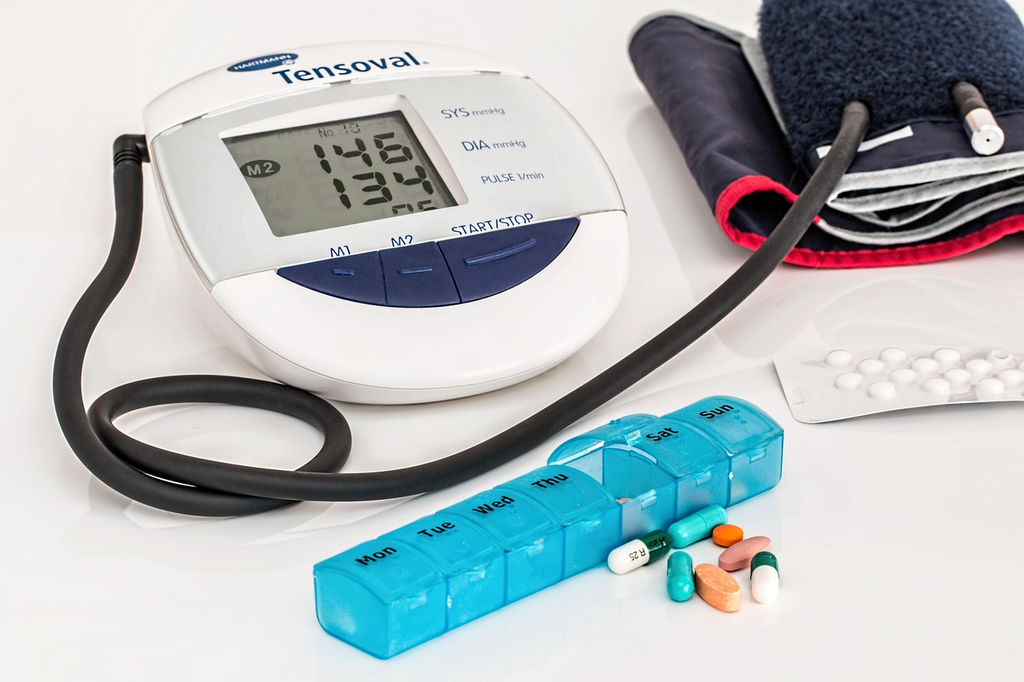
Heart Rate Awareness refers to the conscious recognition and understanding of one's heartbeat and its changes in response to emotions, physical activity, or stress. By paying attention to body signals such as the rhythm of the heart and cues from the eyes—like pupil dilation or blinking—individuals can gain insight into their physical and emotional states. This awareness helps in managing stress, improving focus, and maintaining overall well-being.
Heart Rate Awareness+50
Heart Rate Awareness refers to the conscious recognition and understanding of one's heartbeat and its changes in response to emotions, physical activity, or stress. By paying attention to body signals such as the rhythm of the heart and cues from the eyes—like pupil dilation or blinking—individuals can gain insight into their physical and emotional states. This awareness helps in managing stress, improving focus, and maintaining overall well-being.

💡 Key Takeaways
- Learn how to measure your heart rate accurately and what the numbers mean.
- Distinguish between resting heart rate, maximum heart rate, and target heart rate zones for workouts.
- Identify factors that can raise or lower heart rate and how to account for them when interpreting readings.
- Use heart rate data to guide training intensity and monitor health trends safely.
❓ Frequently Asked Questions
What is heart rate and why is it important to monitor?
Heart rate is the number of heartbeats per minute. Monitoring it helps gauge fitness, recovery, stress, and potential health issues.
What is a normal resting heart rate for adults?
Typically 60–100 beats per minute at rest. Well-trained individuals may have lower resting rates, sometimes 40–60 bpm.
How can you measure your heart rate accurately?
Find your pulse at the wrist or neck, count beats for 15 seconds, then multiply by 4. Alternatively, use a heart rate monitor or smartwatch while at rest.
What factors can cause heart rate to rise or fall?
Exercise, caffeine, stress, illness, dehydration, temperature, medications, and certain medical conditions can all affect heart rate.